 Reviews

What Is A Raptor (Dinosaur)?
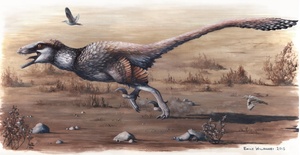
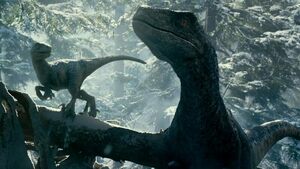
The word “raptor” is not a formal scientific term. Instead, it entered popular culture through the Jurassic Park movie franchise. The name was derived by shortening the genus name Velociraptor, but the dinosaurs depicted on screen were not true Velociraptors. In reality, they were primarily inspired by Deinonychus, a larger and more robust predator, and later discoveries revealed an even closer match in Utahraptor, a much bigger relative that was unknown to science when the first film was released.
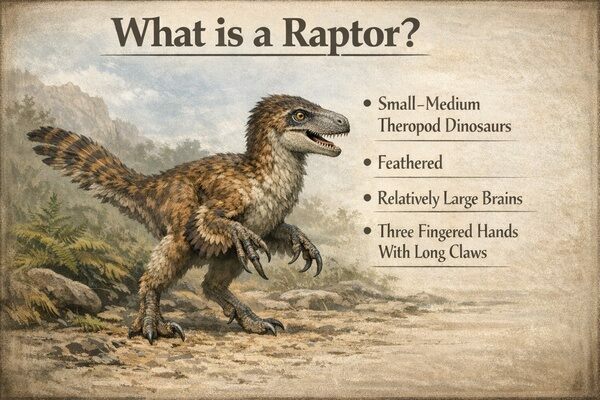
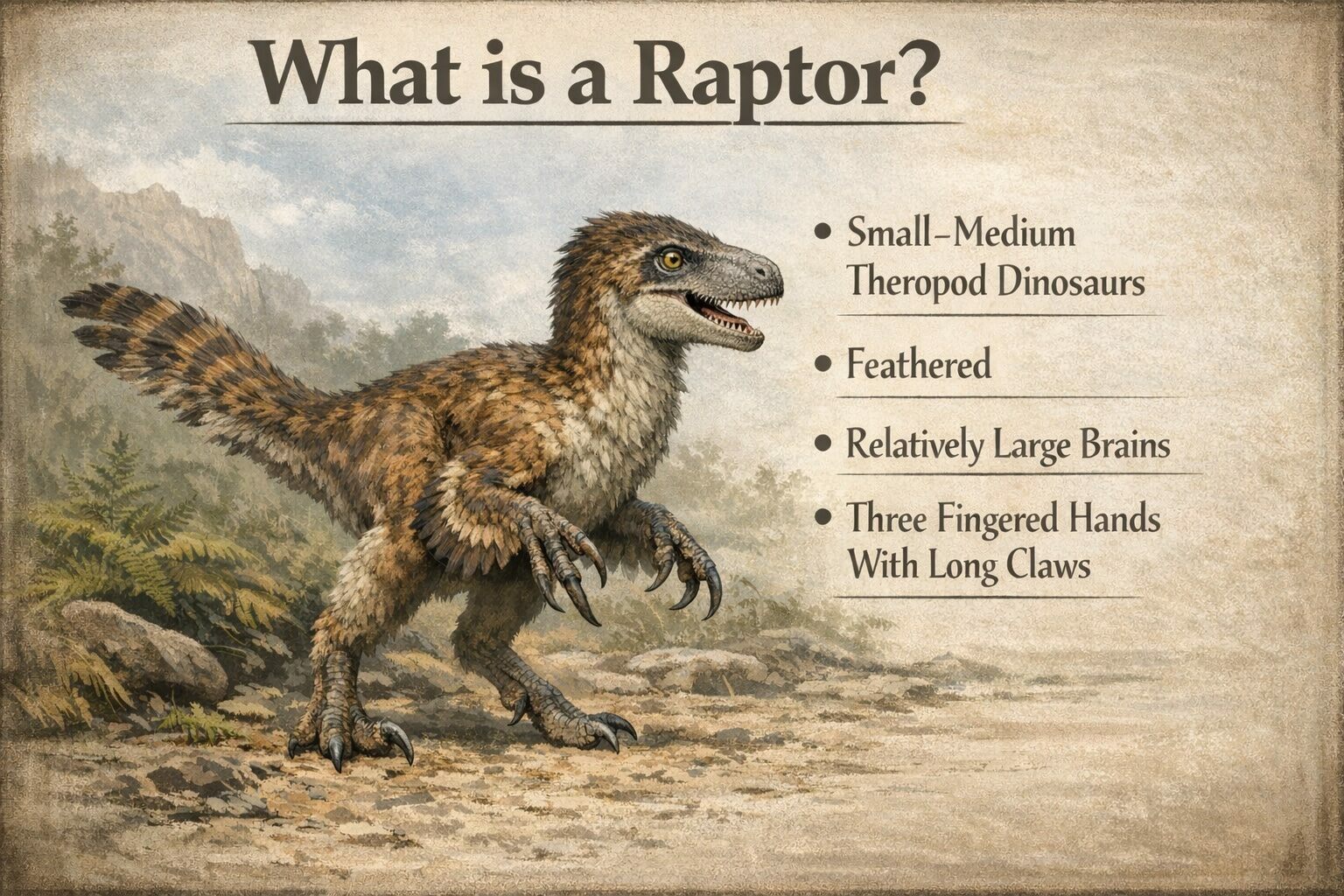
Today, the term raptor is commonly used as an informal label for a group of small to medium-sized, bird-like predatory dinosaurs. These animals lived during the Jurassic and Cretaceous periods and shared a suite of distinctive features that set them apart from other theropods.
Most dinosaurs casually called “raptors” had:
Feathers, ranging from simple fuzz to complex wing-like structures
Three-fingered hands with curved, grasping claws
Relatively large brains compared to their body size, suggesting higher intelligence and complex behavior
A signature enlarged, sickle-shaped claw on the second toe of each hind foot, likely used for gripping or slashing prey
Because of these traits, raptors are widely regarded as among the most agile, intelligent, and bird-like of all dinosaurs.
In scientific terms, the label “raptor” is most often applied to members of the Dromaeosauridae family, which includes well-known genera such as Velociraptor, Deinonychus, Dromaeosaurus, and Utahraptor. However, the boundaries of the term are fuzzy. Some theropod dinosaurs outside this family share many raptor-like characteristics, blurring the line between what is and isn’t a “raptor” in casual conversation.
Adding to the confusion, not every dinosaur with the word raptor in its name is actually a dromaeosaur. For example, Gigantoraptor was a massive, feathered, ostrich-like dinosaur more closely related to Oviraptor than to true raptors, despite its intimidating name.
In short, raptor is best understood as a popular, descriptive term rather than a precise scientific classification. It evokes a particular image—feathered, fast, intelligent predators—but the dinosaurs it refers to are more diverse and fascinating than Hollywood ever let on.
Today, the term raptor is commonly used as an informal label for a group of small to medium-sized, bird-like predatory dinosaurs. These animals lived during the Jurassic and Cretaceous periods and shared a suite of distinctive features that set them apart from other theropods.
Most dinosaurs casually called “raptors” had:
Because of these traits, raptors are widely regarded as among the most agile, intelligent, and bird-like of all dinosaurs.
In scientific terms, the label “raptor” is most often applied to members of the Dromaeosauridae family, which includes well-known genera such as Velociraptor, Deinonychus, Dromaeosaurus, and Utahraptor. However, the boundaries of the term are fuzzy. Some theropod dinosaurs outside this family share many raptor-like characteristics, blurring the line between what is and isn’t a “raptor” in casual conversation.
Adding to the confusion, not every dinosaur with the word raptor in its name is actually a dromaeosaur. For example, Gigantoraptor was a massive, feathered, ostrich-like dinosaur more closely related to Oviraptor than to true raptors, despite its intimidating name.
In short, raptor is best understood as a popular, descriptive term rather than a precise scientific classification. It evokes a particular image—feathered, fast, intelligent predators—but the dinosaurs it refers to are more diverse and fascinating than Hollywood ever let on.