 Reviews


BALTIC AMBER WITH INSECTS FOR SALE
Baltic Amber: Nature's Time Capsule
Baltic amber, often described as "fossilized sunlight," is a captivating gem formed millions of years ago. Known for its golden glow and fascinating inclusions, Baltic amber is treasured not only for its beauty but also for the stories it tells about ancient ecosystems. Let's explore how this ancient resin came to be, what it reveals about prehistoric life, and how it has been cherished and used throughout history.
Baltic amber originates from the resin of ancient coniferous trees that once thrived in the forests of Northern Europe. During the Eocene epoch, roughly 44 to 54 million years ago, these trees exuded resin to protect against insects and diseases. Over time, this resin oozed down trunks, covering twigs, leaves, and even small animals that happened to cross its path. Once the resin was buried under sediment, it underwent a slow fossilization process involving pressure, temperature changes, and chemical alterations that transformed it into the amber we see today.
The largest deposits of Baltic amber are found along the shores of the Baltic Sea, particularly in countries like Russia, Poland, Lithuania, and Latvia. The "amber coast" along the Baltic Sea is especially rich in amber deposits, where pieces are washed ashore by waves after storms or unearthed through mining. Smaller deposits have been found in other regions, but Baltic amber remains the most abundant and famous type worldwide.
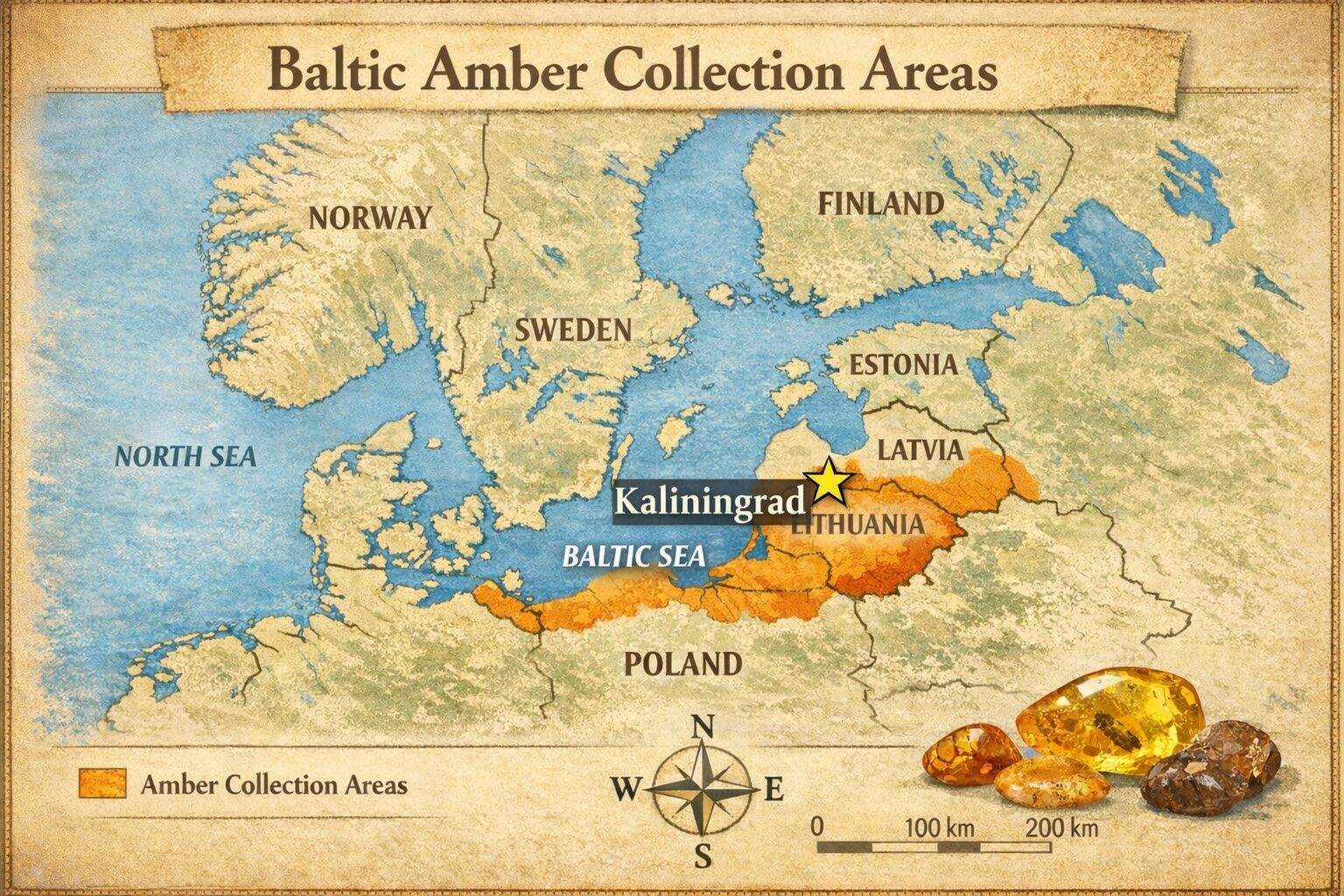
Where Baltic Amber Is Found
Inclusions: Trapped Time Capsules
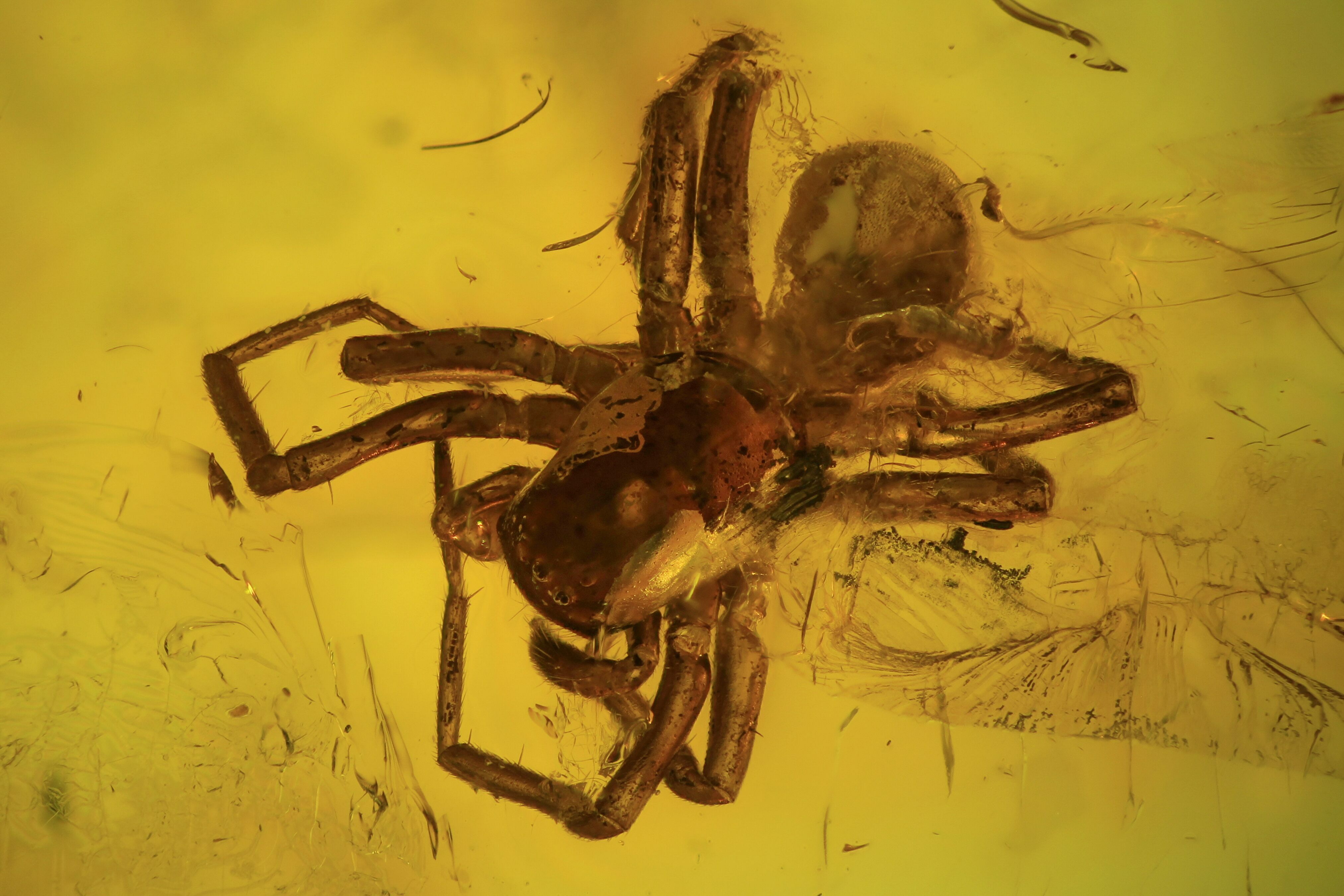
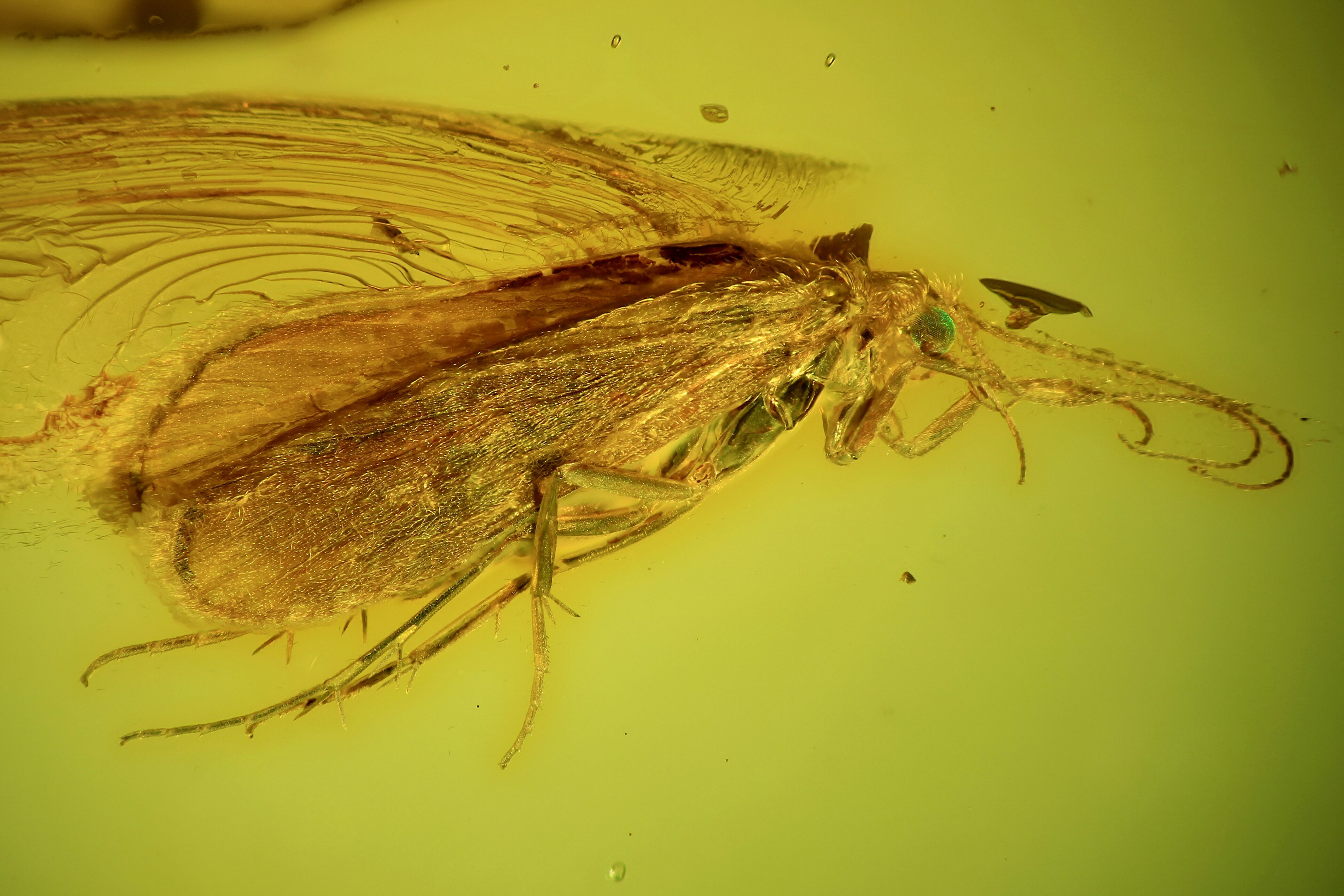
One of the most fascinating aspects of Baltic amber is the tiny ecosystems encapsulated within. As the resin flowed, it trapped small creatures and plants, preserving them in exquisite detail. Insects are the most common inclusions, with more than 3,000 species identified, including ants, spiders, flies, and beetles. Very rarely, larger organisms, like lizards or feathers, are also found, offering scientists insights into prehistoric ecosystems. These inclusions provide a unique window into the behaviors, diets, and habitats of ancient species, making Baltic amber invaluable to paleontologists.
Historical Uses and Cultural Significance
Throughout history, Baltic amber has inspired myths and legends that tell captivating tales of its origin. Ancient Romans believed amber was created from the crystallized tears of Clymene, a titan, and her daughter, who mourned the loss of her son. Other cultures imagined amber as solidified rays of sunlight, caught in the Earth when the sun touched down or crystallized in the sea as it set over the water. In early Norse mythology, amber was thought to be the solidified urine of lynxes, with darker amber attributed to male lynxes and lighter to females.
Baltic amber has been valued for centuries, not only as an ornamental material but also for its supposed healing properties. Ancient artisans crafted amber into jewelry, art, and even architectural pieces. In ancient Rome, amber was believed to have medicinal qualities, used to treat eye and ear issues, sore throats, and stomach ailments. In Persia, melted amber was made into a syrup for treating spasms and other illnesses. The Reformation leader Martin Luther reportedly carried a piece of amber in his pocket to ward off kidney troubles.
With its abundance, amber was even incorporated into architectural works. One of the most remarkable uses was in the Amber Room at Catherine Palace in Pushkin, Russia. Constructed from several tons of amber, this breathtaking room was celebrated as the "Eighth Wonder of the World." Tragically, it was looted by the Nazis during World War II and has since been replicated to honor its memory. Another striking example of amber architecture is the altar at the Church of Saint Brygida in Gdansk, Poland, where amber is showcased in a spiritual setting.
How to Identify Authentic Baltic Amber
Amber might be the most frequently faked fossil. With the invention of plastics it has become even easier: amber polymerizes in a way similar to plastic, and they share many physical properties. Sometimes holes will even be drilled in real amber, filled with modern insects, and filled back in with resin. Be very suspicious of large insects and other fossils preserved in amber, since larger insects can typically struggle free.
For those interested in purchasing amber, determining authenticity is important. To determine if the amber you are interested in buying is authentic first, buy only from reputable dealers. If you still are not sure the amber you are interested in is authentic here are some tests:
Featured Photos