 Reviews


This Specimen has been sold.


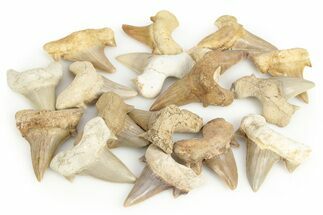
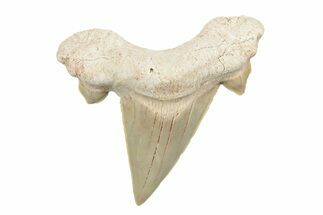
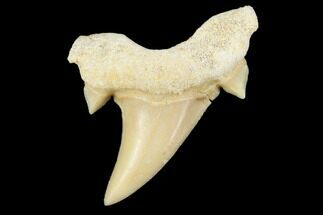
Bargain, 1.9" Cretaceous Sawfish (Onchosaurus) Rostral Barb - Morocco


This is an uncommon rostral barb/tooth from Onchosaurus marocanus a type of Cretaceous aged sawfish. It is Upper Cretaceous, in age or approximately 66-72 million years old and was collected from the phosphate beds near Khouribga, Morocco. There is a repaired crack near the tip of the barb.
About the Oulad Abdoun Basin
The Oulad Abdoun Basin in central Morocco is one of the most famous phosphate deposit regions in the world, not only for its economic importance but also for its extraordinary fossil wealth. Formed during the Late Cretaceous to Paleogene, these marine phosphate layers record a time when northern Africa was covered by a warm, shallow sea teeming with life.
What makes the Oulad Abdoun deposits especially significant is the remarkable preservation and diversity of vertebrate fossils found within the phosphate beds. The basin is renowned for producing abundant remains of marine reptiles such as mosasaurs and plesiosaurs, along with fossil sharks, rays, bony fish, and turtles. These fossils typically occur as isolated teeth, bones, and partial skeletons concentrated within the phosphatic sediments. Today, many of these specimens are collected as a byproduct of large-scale phosphate mining operations—rescued before the rock is processed and crushed—ultimately saving them from certain destruction in the rock crushers and preserving an extraordinary record of ancient marine life.
The Oulad Abdoun Basin in central Morocco is one of the most famous phosphate deposit regions in the world, not only for its economic importance but also for its extraordinary fossil wealth. Formed during the Late Cretaceous to Paleogene, these marine phosphate layers record a time when northern Africa was covered by a warm, shallow sea teeming with life.
What makes the Oulad Abdoun deposits especially significant is the remarkable preservation and diversity of vertebrate fossils found within the phosphate beds. The basin is renowned for producing abundant remains of marine reptiles such as mosasaurs and plesiosaurs, along with fossil sharks, rays, bony fish, and turtles. These fossils typically occur as isolated teeth, bones, and partial skeletons concentrated within the phosphatic sediments. Today, many of these specimens are collected as a byproduct of large-scale phosphate mining operations—rescued before the rock is processed and crushed—ultimately saving them from certain destruction in the rock crushers and preserving an extraordinary record of ancient marine life.
SPECIES
Onchosaurus marocanus
AGE

LOCATION
Morocco
SIZE
1.9" long
CATEGORY
ITEM
#71775
We guarantee the authenticity of all of our specimens.