 Reviews


This Specimen has been sold.


26" Fossil Fish (Knightia) Mass Mortality Plate - Stunning Wall Mount


This is a beautiful, 26 x 21" mass mortality plate of Knightia alta from the Hay Hollow Quarry near Kemmerer, Wyoming. This piece is beautiful and it's totally natural with no repair or restoration. The rock has been backed by wood with a wall hanger installed so it is ready to be hung up on a wall.
The preservation of the fish at the Hay Hollow Quarry is slightly different than the other quarries. This comes from a mass mortality layer in the quarry where the fish are buried deep under the surface of the rock. They x-ray each slab of rock from this mass mortality to layer to identify the positions of the fish which them just been prepared with air scribes. The results are beautiful but pieces from the layer take a lot of time to prepare.
The preservation of the fish at the Hay Hollow Quarry is slightly different than the other quarries. This comes from a mass mortality layer in the quarry where the fish are buried deep under the surface of the rock. They x-ray each slab of rock from this mass mortality to layer to identify the positions of the fish which them just been prepared with air scribes. The results are beautiful but pieces from the layer take a lot of time to prepare.
About Fossil Lake
50 million years ago, in the Eocene epoch, these fish thrived in Fossil Lake, which was fed by the Uinta and Rocky Mountain highlands. The anoxic conditions at the bottom of Fossil Lake slowed bacterial decomposition, prevented scavengers from disturbing corpses, and, most interestingly, suffocated creatures that ventured into the oxygen-starved aquatic layer. The result is a miraculous exhibition of Eocene biota: a subtropical aquatic community within sycamore forests, teeming with creatures such as freshwater stingrays, dog-sized horses, menacing alligators, early flying bats, and one of the first primates.
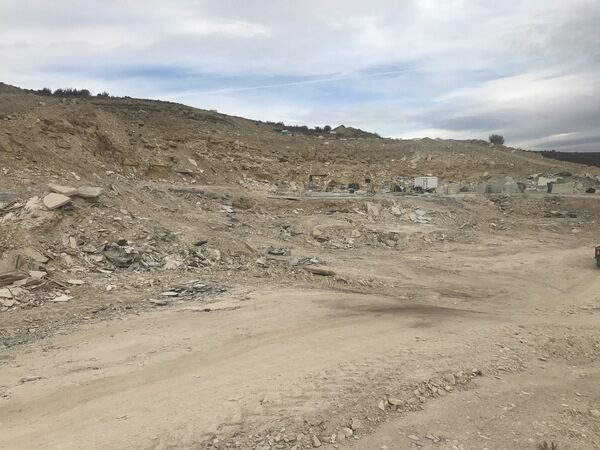
A view of one of the commercial quarries where fossils from the Green River Formation are collected.
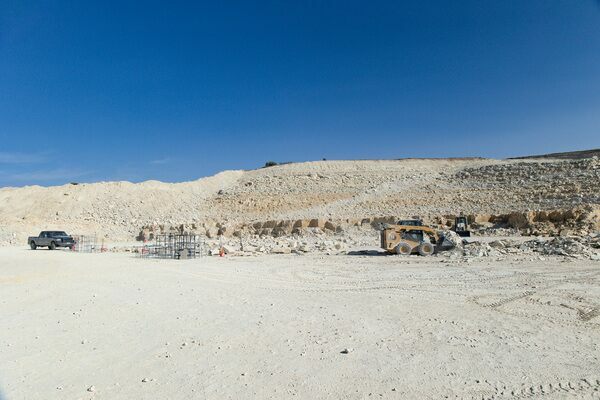
Our Fossil Lake Safari Quarry just outside Kemmerer, Wyoming.
50 million years ago, in the Eocene epoch, these fish thrived in Fossil Lake, which was fed by the Uinta and Rocky Mountain highlands. The anoxic conditions at the bottom of Fossil Lake slowed bacterial decomposition, prevented scavengers from disturbing corpses, and, most interestingly, suffocated creatures that ventured into the oxygen-starved aquatic layer. The result is a miraculous exhibition of Eocene biota: a subtropical aquatic community within sycamore forests, teeming with creatures such as freshwater stingrays, dog-sized horses, menacing alligators, early flying bats, and one of the first primates.
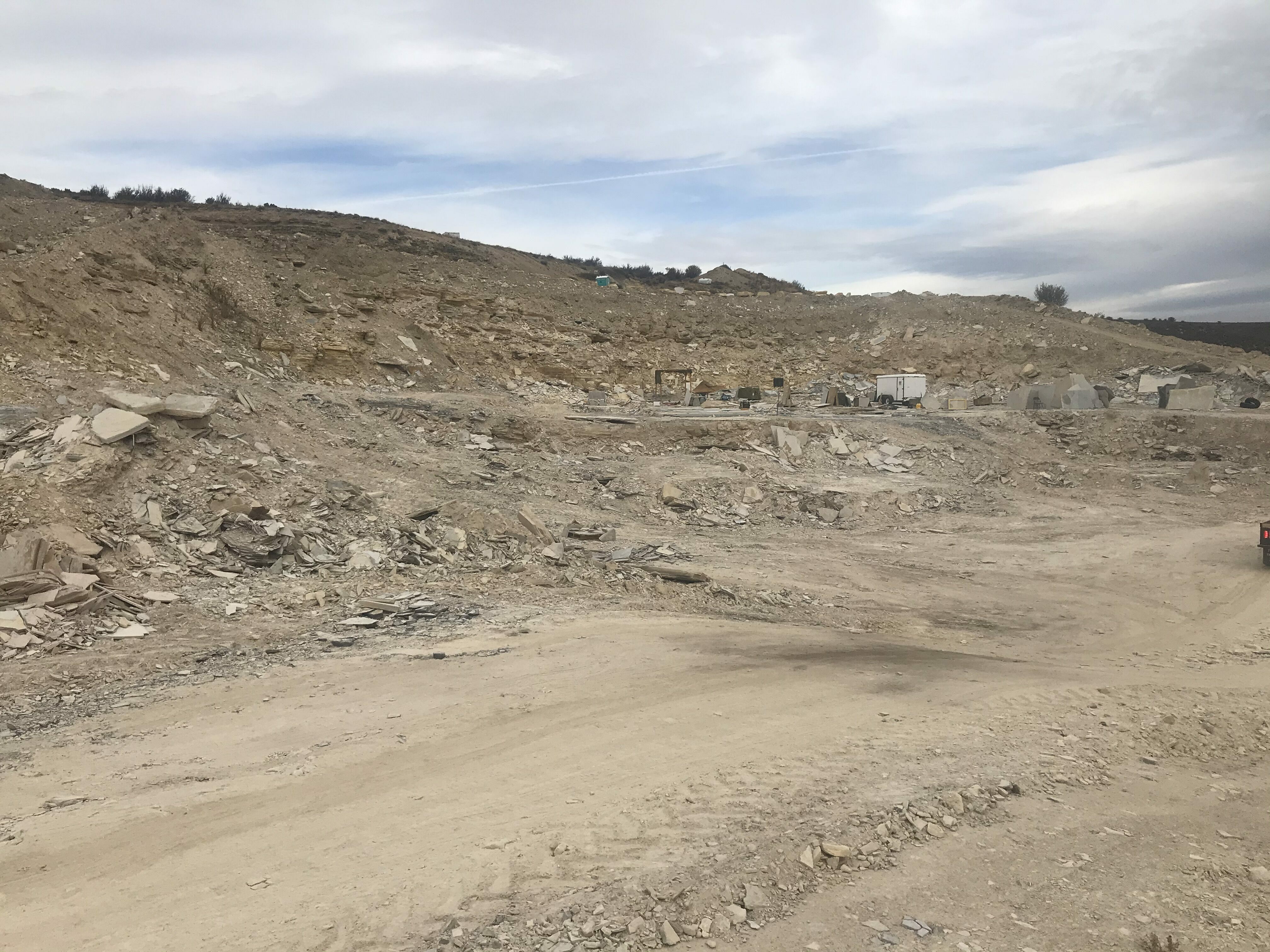
A view of one of the commercial quarries where fossils from the Green River Formation are collected.
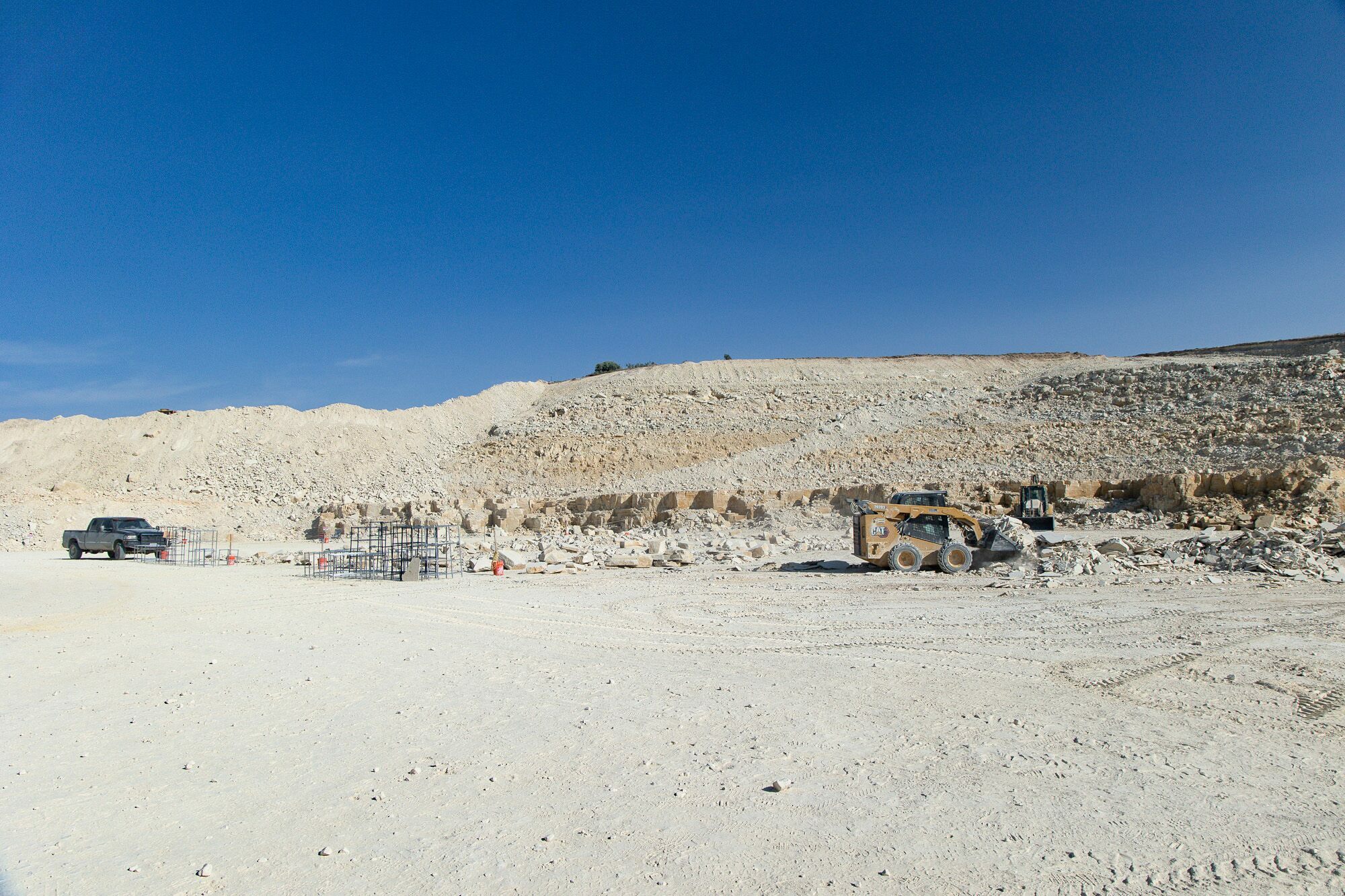
Our Fossil Lake Safari Quarry just outside Kemmerer, Wyoming.
About Knightia
Knightia is an extinct genus of small, schooling, ray-finned fish related to modern herrings and sardines. Abundant in the warm freshwater lakes of the Eocene Green River Formation, they fed on insects, plankton, and tiny fish, while serving as prey for nearly every larger predator in the ecosystem. The most common species, Knightia eocena, reached about 15 cm in length and is celebrated today as the state fossil of Wyoming.
These streamlined fish are recognized by their heavy scales, small conical teeth, and rows of dorsal and ventral scutes along the body. Their fossils are among the most iconic from the Green River Formation—an exceptional 48-million-year-old lake deposit in Wyoming, Colorado, and Utah known for preserving a remarkably detailed snapshot of ancient life in a warm, lake-rich Eocene landscape.
Knightia is an extinct genus of small, schooling, ray-finned fish related to modern herrings and sardines. Abundant in the warm freshwater lakes of the Eocene Green River Formation, they fed on insects, plankton, and tiny fish, while serving as prey for nearly every larger predator in the ecosystem. The most common species, Knightia eocena, reached about 15 cm in length and is celebrated today as the state fossil of Wyoming.
These streamlined fish are recognized by their heavy scales, small conical teeth, and rows of dorsal and ventral scutes along the body. Their fossils are among the most iconic from the Green River Formation—an exceptional 48-million-year-old lake deposit in Wyoming, Colorado, and Utah known for preserving a remarkably detailed snapshot of ancient life in a warm, lake-rich Eocene landscape.
SPECIES
Knightia alta

LOCATION
Hay Hollow Quarry, Kemmerer, Wyoming
FORMATION
Green River Formation
SIZE
Rock 26 x 21", Largest Fish 5"
CATEGORY
SUB CATEGORY
ITEM
#314577
We guarantee the authenticity of all of our specimens.


