 Reviews


This Specimen has been sold.

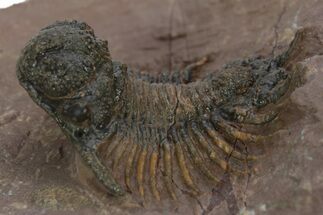
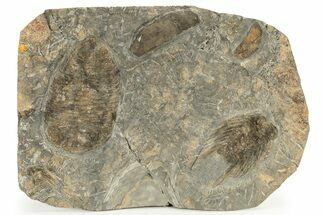
4.5" Lichid (Lichas Marocanus) Trilobite - Jbel Bou Degane, Morocco


This is a rare, lichid (Lichas marocanus) trilobite from the Upper Ktaoua Formation of Morocco. It is 4.5" long, nicely inflated and laid out prone. It's hard to find specimens of this species that aren't molts, but this one has both cheeks tightly attached with only about 1% shell restoration.
About Lichid Trilobites
Lichid trilobites are an extinct group of arthropods known for their strikingly ornate exoskeletons, often adorned with spines, pustules, and elaborate ornamentation. They belong to the order Lichida, which thrived from the Ordovician through the Devonian periods. These trilobites are typically characterized by their large, semicircular cephalons (heads), wide glabella (central lobe), and distinctive, often spinose pygidia (tails). Many species feature dramatic, backward-curving spines projecting from the cephalon or thorax, which may have served defensive or display purposes.
What sets lichid trilobites apart from other trilobite groups is their extreme morphological variation and defensive adaptations. While many trilobites were relatively smooth and streamlined, lichids often took a more heavily armored approach. Some species even developed eye ridges or pustulate surfaces that added to their otherworldly appearance. Their heavily calcified exoskeletons have contributed to excellent fossil preservation, making lichid trilobites some of the most visually impressive trilobites found in the fossil record.
Lichid trilobites are an extinct group of arthropods known for their strikingly ornate exoskeletons, often adorned with spines, pustules, and elaborate ornamentation. They belong to the order Lichida, which thrived from the Ordovician through the Devonian periods. These trilobites are typically characterized by their large, semicircular cephalons (heads), wide glabella (central lobe), and distinctive, often spinose pygidia (tails). Many species feature dramatic, backward-curving spines projecting from the cephalon or thorax, which may have served defensive or display purposes.
What sets lichid trilobites apart from other trilobite groups is their extreme morphological variation and defensive adaptations. While many trilobites were relatively smooth and streamlined, lichids often took a more heavily armored approach. Some species even developed eye ridges or pustulate surfaces that added to their otherworldly appearance. Their heavily calcified exoskeletons have contributed to excellent fossil preservation, making lichid trilobites some of the most visually impressive trilobites found in the fossil record.
SPECIES
Lichas marocanus (Destombes 1968)

LOCATION
Jbel Bou Degane, Morocco
FORMATION
Upper Ktaoua Formation
SIZE
4.5" long on 8.3 x 5.5" stone
CATEGORY
SUB CATEGORY
ITEM
#338981
We guarantee the authenticity of all of our specimens.


