 Reviews


This Specimen has been sold.


4" Fossil Fish (Amphiplaga) - Uncommon Species


This is a nice, 4" long fossil fish (Amphiplaga brachyptera ) from the Green River Formation of Wyoming. It was collected from our very own Fossil Lake Safari quarry this past summer. At four inches long it is pretty large for this hard to find species.
It comes with an acrylic display stand.
It comes with an acrylic display stand.
About Amphiplaga
Amphiplaga is a relatively uncommon fossil fish from the Eocene Green River Formation of Wyoming, Utah, and Colorado, representing less than 1% of fish fossils recovered from these deposits. Typically small, averaging just 3–4 inches in length, it is recognized by its compact body and proportionally short fins, which give it a distinct appearance among Green River fish assemblages. Unlike schooling species such as Knightia, Amphiplaga is thought to have been a more solitary fish, likely inhabiting quieter areas of the ancient lakes where it fed on small invertebrates. Its rarity, combined with frequent preservation of fine skeletal detail, makes Amphiplaga fossils especially desirable and an important indicator of ecological diversity within the Green River lake systems.
Amphiplaga is a relatively uncommon fossil fish from the Eocene Green River Formation of Wyoming, Utah, and Colorado, representing less than 1% of fish fossils recovered from these deposits. Typically small, averaging just 3–4 inches in length, it is recognized by its compact body and proportionally short fins, which give it a distinct appearance among Green River fish assemblages. Unlike schooling species such as Knightia, Amphiplaga is thought to have been a more solitary fish, likely inhabiting quieter areas of the ancient lakes where it fed on small invertebrates. Its rarity, combined with frequent preservation of fine skeletal detail, makes Amphiplaga fossils especially desirable and an important indicator of ecological diversity within the Green River lake systems.
About Fossil Lake
50 million years ago, in the Eocene epoch, these fish thrived in Fossil Lake, which was fed by the Uinta and Rocky Mountain highlands. The anoxic conditions at the bottom of Fossil Lake slowed bacterial decomposition, prevented scavengers from disturbing corpses, and, most interestingly, suffocated creatures that ventured into the oxygen-starved aquatic layer. The result is a miraculous exhibition of Eocene biota: a subtropical aquatic community within sycamore forests, teeming with creatures such as freshwater stingrays, dog-sized horses, menacing alligators, early flying bats, and one of the first primates.
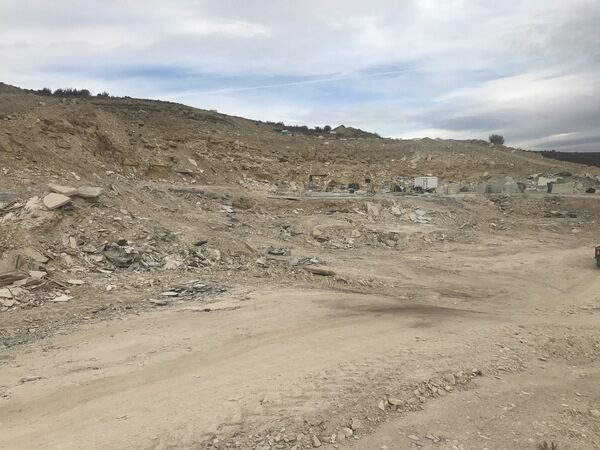
A view of one of the commercial quarries where fossils from the Green River Formation are collected.
50 million years ago, in the Eocene epoch, these fish thrived in Fossil Lake, which was fed by the Uinta and Rocky Mountain highlands. The anoxic conditions at the bottom of Fossil Lake slowed bacterial decomposition, prevented scavengers from disturbing corpses, and, most interestingly, suffocated creatures that ventured into the oxygen-starved aquatic layer. The result is a miraculous exhibition of Eocene biota: a subtropical aquatic community within sycamore forests, teeming with creatures such as freshwater stingrays, dog-sized horses, menacing alligators, early flying bats, and one of the first primates.
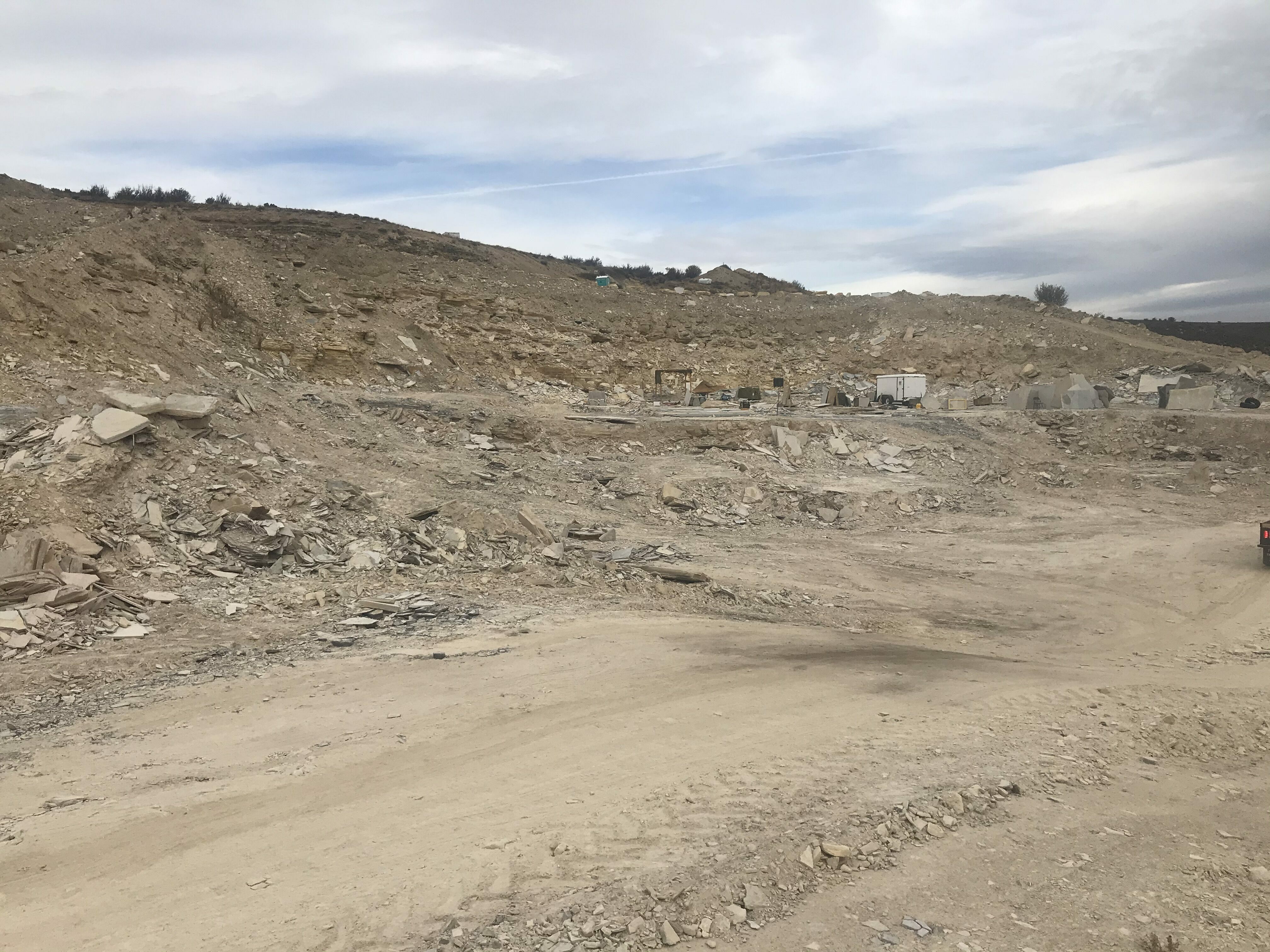
A view of one of the commercial quarries where fossils from the Green River Formation are collected.
SPECIES
Amphiplaga brachyptera

LOCATION
Fossil Lake Safari Quarry, Kemmerer, Wyoming
FORMATION
Green River Formation
SIZE
4" long on 5.1 x 3.5" rock
CATEGORY
SUB CATEGORY
ITEM
#345378
We guarantee the authenticity of all of our specimens.


