 Reviews


43" Green River Fossil Fish "Mural" with Rare Ultrashort-Nose Gar Fish


Note: Because of its size and weight, this piece will ship via freight on a pallet or in a crate. Our website can’t automatically calculate freight charges, so shipping costs will be determined and billed after purchase. If you’d like a quote beforehand, please contact us prior to ordering.
This spectacular fossil fish mural showcases two exceptional predators from the world-famous Eocene-aged Green River Formation of southwestern Wyoming. Collected from the renowned Clear Creek Quarry near Kemmerer, the centerpiece is an extraordinary 22.1" long specimen of the rare species Masillosteus janeae, an extinct ultrashort-nose gar whose molariform teeth and armored ganoid scales make it one of the most uncommon yet recognizable and sought-after fish from the formation. Accompanying it is a large, 17.5" long Phareodus encaustus, creating an impressive pairing that highlights two very different predatory fish that once inhabited Fossil Lake approximately 51 million years ago. Adding further visual interest is the stem of a fossil plant preserved across the limestone slab, providing a glimpse of the ancient lakeside vegetation that surrounded this remarkable ecosystem.
The Masillosteus has been professionally inlaid into the stone, while the Phareodus is naturally preserved within the original matrix. The gar was found in cross section, resulting in a repaired crack extending across the posterior half of the gar requiring a straight line of restoration measuring about 1/2" wide. Several small areas of restoration can be found across portions of the fins. The entire slab has been backed with moisture-resistant wood for long-term stability, and a sturdy hanger has been installed, allowing this museum-quality fossil display to be mounted and enjoyed immediately.
Measurements:
Plate - 43 x 33"
M. janeae - 22.1" long
P. encaustus - 17.5" long
About Masillosteus janeae
Masillosteus janeae is one of the rarest fish species known from Wyoming's world-famous Eocene Green River Formation, with only a handful of specimens having been discovered. This unusual gar is distinguished by its short, broad snout and rounded, molar-like (molariform) teeth, an adaptation that allowed it to crush hard-shelled prey such as snails and freshwater crustaceans rather than capture fish like most modern gars. Fossils of M. janeae come from Fossil Butte, where its exceptional preservation provides a glimpse into the diverse ecosystems of Fossil Lake approximately 51 million years ago. Its rarity, specialized feeding adaptations, and close relationship to the equally uncommon European species Masillosteus kelleri from Germany's Messel Pit make Masillosteus janeae one of the most scientifically significant and sought-after fossil gars from the Green River Formation
Masillosteus janeae is one of the rarest fish species known from Wyoming's world-famous Eocene Green River Formation, with only a handful of specimens having been discovered. This unusual gar is distinguished by its short, broad snout and rounded, molar-like (molariform) teeth, an adaptation that allowed it to crush hard-shelled prey such as snails and freshwater crustaceans rather than capture fish like most modern gars. Fossils of M. janeae come from Fossil Butte, where its exceptional preservation provides a glimpse into the diverse ecosystems of Fossil Lake approximately 51 million years ago. Its rarity, specialized feeding adaptations, and close relationship to the equally uncommon European species Masillosteus kelleri from Germany's Messel Pit make Masillosteus janeae one of the most scientifically significant and sought-after fossil gars from the Green River Formation
About Fossil Lake
50 million years ago, in the Eocene epoch, these fish thrived in Fossil Lake, which was fed by the Uinta and Rocky Mountain highlands. The anoxic conditions at the bottom of Fossil Lake slowed bacterial decomposition, prevented scavengers from disturbing corpses, and, most interestingly, suffocated creatures that ventured into the oxygen-starved aquatic layer. The result is a miraculous exhibition of Eocene biota: a subtropical aquatic community within sycamore forests, teeming with creatures such as freshwater stingrays, dog-sized horses, menacing alligators, early flying bats, and one of the first primates.
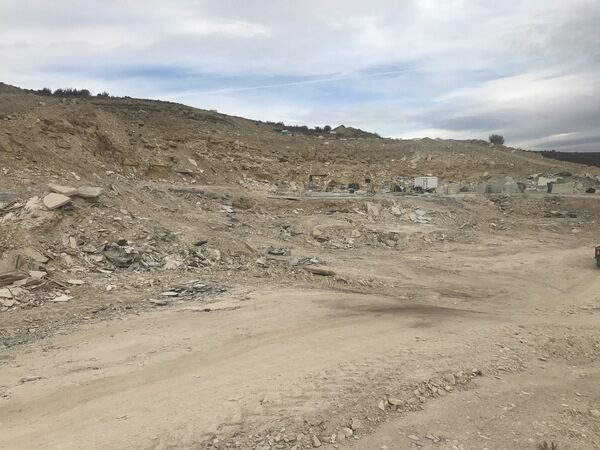
A view of one of the commercial quarries where fossils from the Green River Formation are collected.
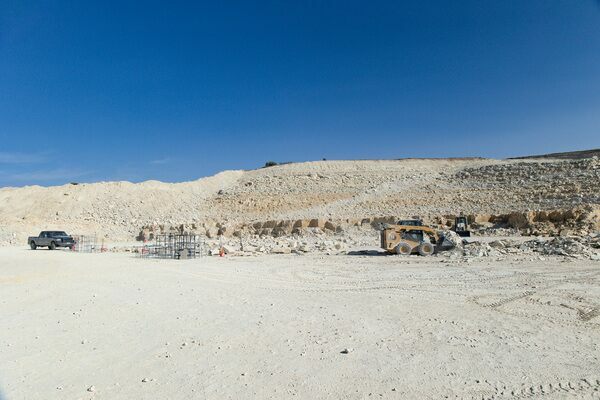
Our Fossil Lake Safari Quarry just outside Kemmerer, Wyoming.
50 million years ago, in the Eocene epoch, these fish thrived in Fossil Lake, which was fed by the Uinta and Rocky Mountain highlands. The anoxic conditions at the bottom of Fossil Lake slowed bacterial decomposition, prevented scavengers from disturbing corpses, and, most interestingly, suffocated creatures that ventured into the oxygen-starved aquatic layer. The result is a miraculous exhibition of Eocene biota: a subtropical aquatic community within sycamore forests, teeming with creatures such as freshwater stingrays, dog-sized horses, menacing alligators, early flying bats, and one of the first primates.
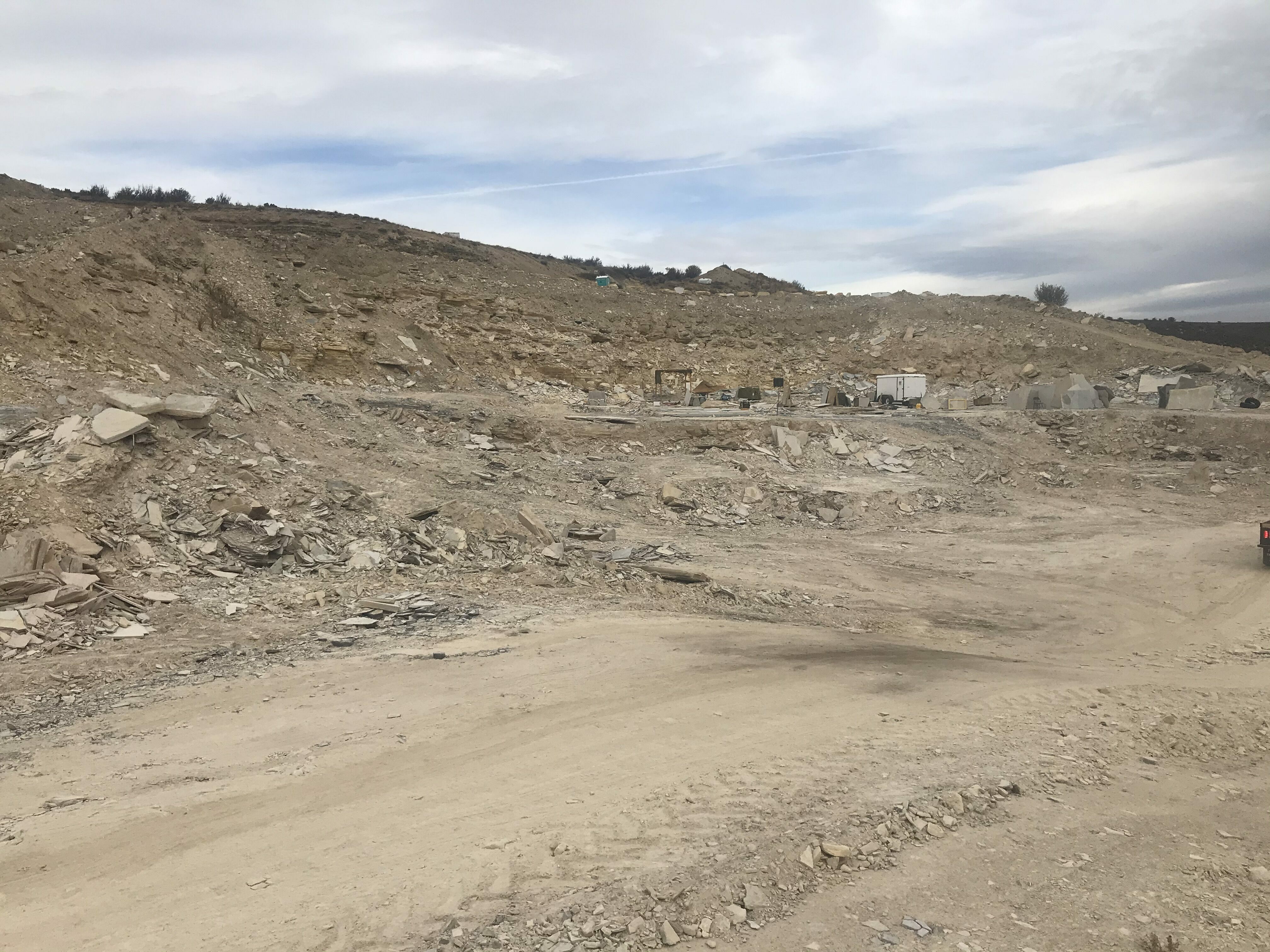
A view of one of the commercial quarries where fossils from the Green River Formation are collected.
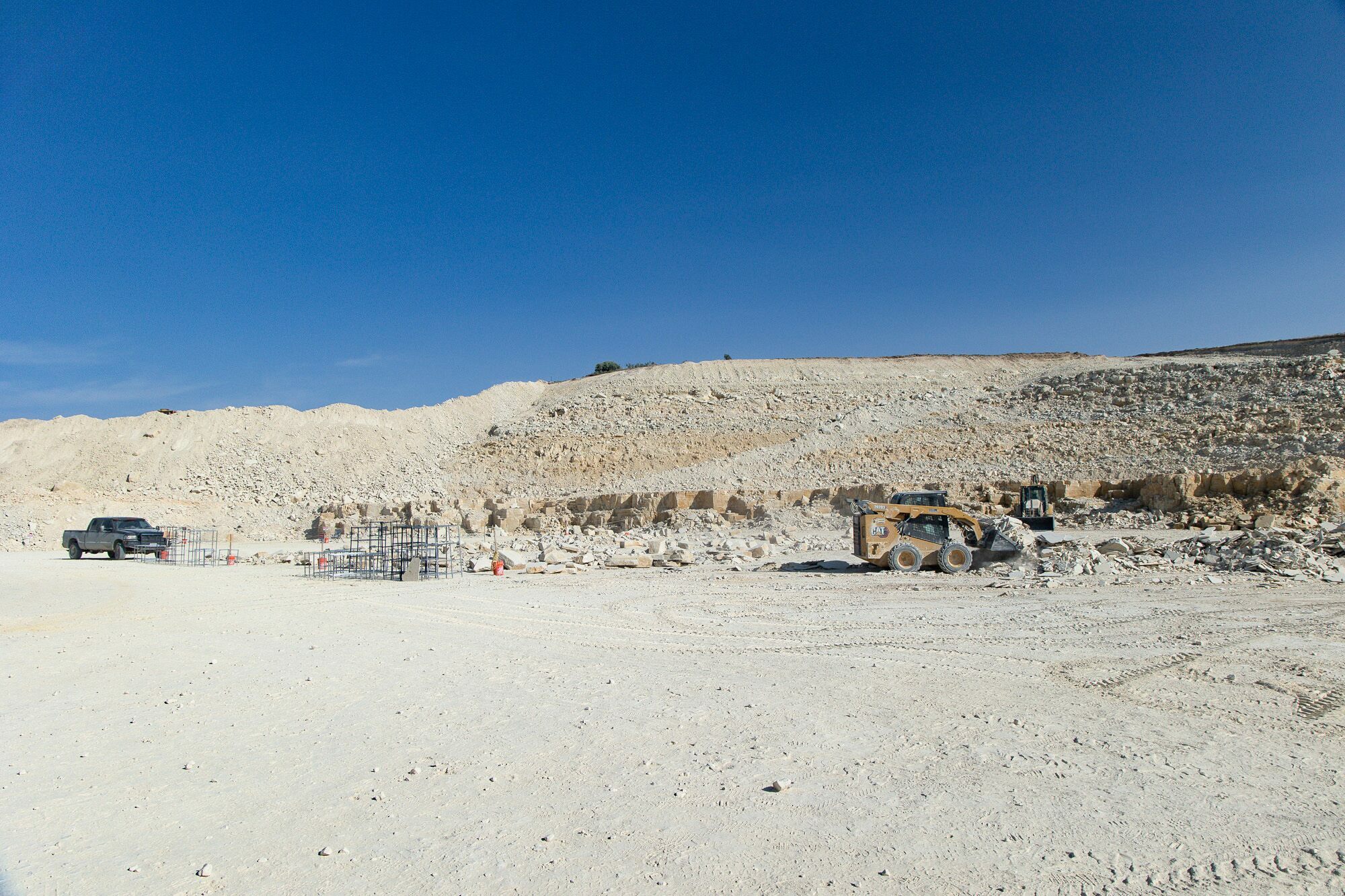
Our Fossil Lake Safari Quarry just outside Kemmerer, Wyoming.
$19,500
SPECIES
Masillosteus janeae & Phareodus encaustus

LOCATION
Clear Creek Quarry, Kemmerer, Wyoming
FORMATION
Green River Formation
SIZE
Rock: 43 x 33", Gar: 22.1" long
CATEGORY
SUB CATEGORY
ITEM
#370577
We guarantee the authenticity of all of our specimens.


