 Reviews


This Specimen has been sold.


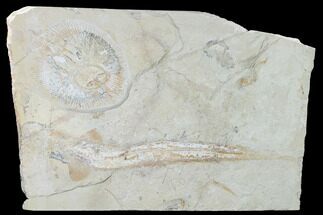
Rare, 15.5" Fossil Male Stingray (Heliobatis) - Wyoming


This is a gorgeous fossil stingray (Heliobatis radians) from the Green River Formation in Wyoming. These rays are one of the more rare fossils from the Green River Formation and are highly coveted by collectors for their beauty. If outstretched, this specimen would measure about 15.5" long, and is well preserved and nicely centered on a 18.1 x 13" slab of rock. It can be determined to be a male due to the presence of preserved claspers. Just check out the closeup photos to see the detail.
This ray has been inlaid into this solid piece of limestone from the same layer of the quarry. There are multiple repaired cracks through the fossil with several areas of gap fill and touchup restoration along these repairs. Many of the tail vertebrae beyond the base of the barb have been restored. The rock has been backed with a piece of concrete board for stability and to make it easy to mount on a wall. Upon request, we can install a wall hanger on the back of the specimen. Otherwise it will be accompanied by a metal display stand.
This ray has been inlaid into this solid piece of limestone from the same layer of the quarry. There are multiple repaired cracks through the fossil with several areas of gap fill and touchup restoration along these repairs. Many of the tail vertebrae beyond the base of the barb have been restored. The rock has been backed with a piece of concrete board for stability and to make it easy to mount on a wall. Upon request, we can install a wall hanger on the back of the specimen. Otherwise it will be accompanied by a metal display stand.
Heliobatis is an extinct genus of freshwater ray primarily known from the Green River Formation in Wyoming. The teeth are triangular and shaped for feeding on small fish, crustaceans, and mollusks.
About Fossil Lake
50 million years ago, in the Eocene epoch, these fish thrived in Fossil Lake, which was fed by the Uinta and Rocky Mountain highlands. The anoxic conditions at the bottom of Fossil Lake slowed bacterial decomposition, prevented scavengers from disturbing corpses, and, most interestingly, suffocated creatures that ventured into the oxygen-starved aquatic layer. The result is a miraculous exhibition of Eocene biota: a subtropical aquatic community within sycamore forests, teeming with creatures such as freshwater stingrays, dog-sized horses, menacing alligators, early flying bats, and one of the first primates.
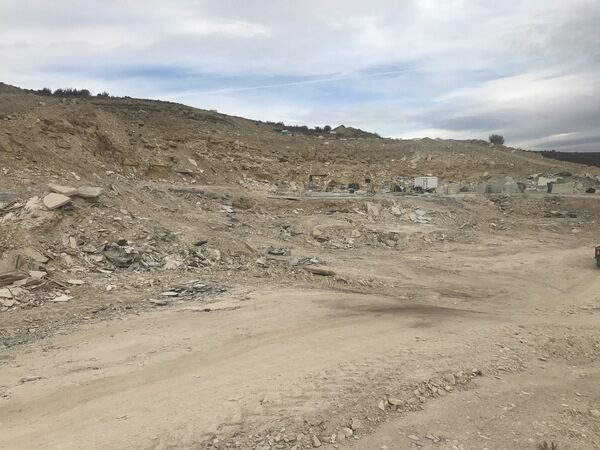
A view of one of the commercial quarries where fossils from the Green River Formation are collected.
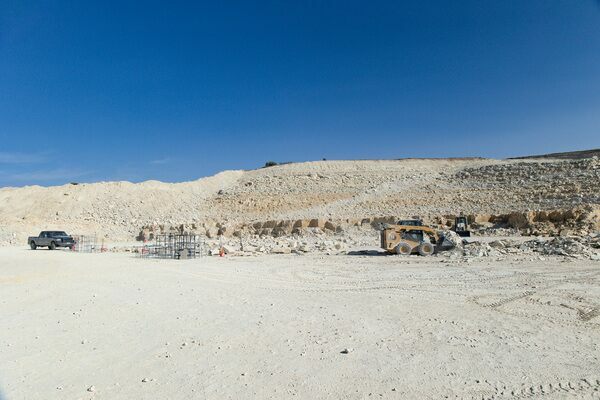
Our Fossil Lake Safari Quarry just outside Kemmerer, Wyoming.
50 million years ago, in the Eocene epoch, these fish thrived in Fossil Lake, which was fed by the Uinta and Rocky Mountain highlands. The anoxic conditions at the bottom of Fossil Lake slowed bacterial decomposition, prevented scavengers from disturbing corpses, and, most interestingly, suffocated creatures that ventured into the oxygen-starved aquatic layer. The result is a miraculous exhibition of Eocene biota: a subtropical aquatic community within sycamore forests, teeming with creatures such as freshwater stingrays, dog-sized horses, menacing alligators, early flying bats, and one of the first primates.
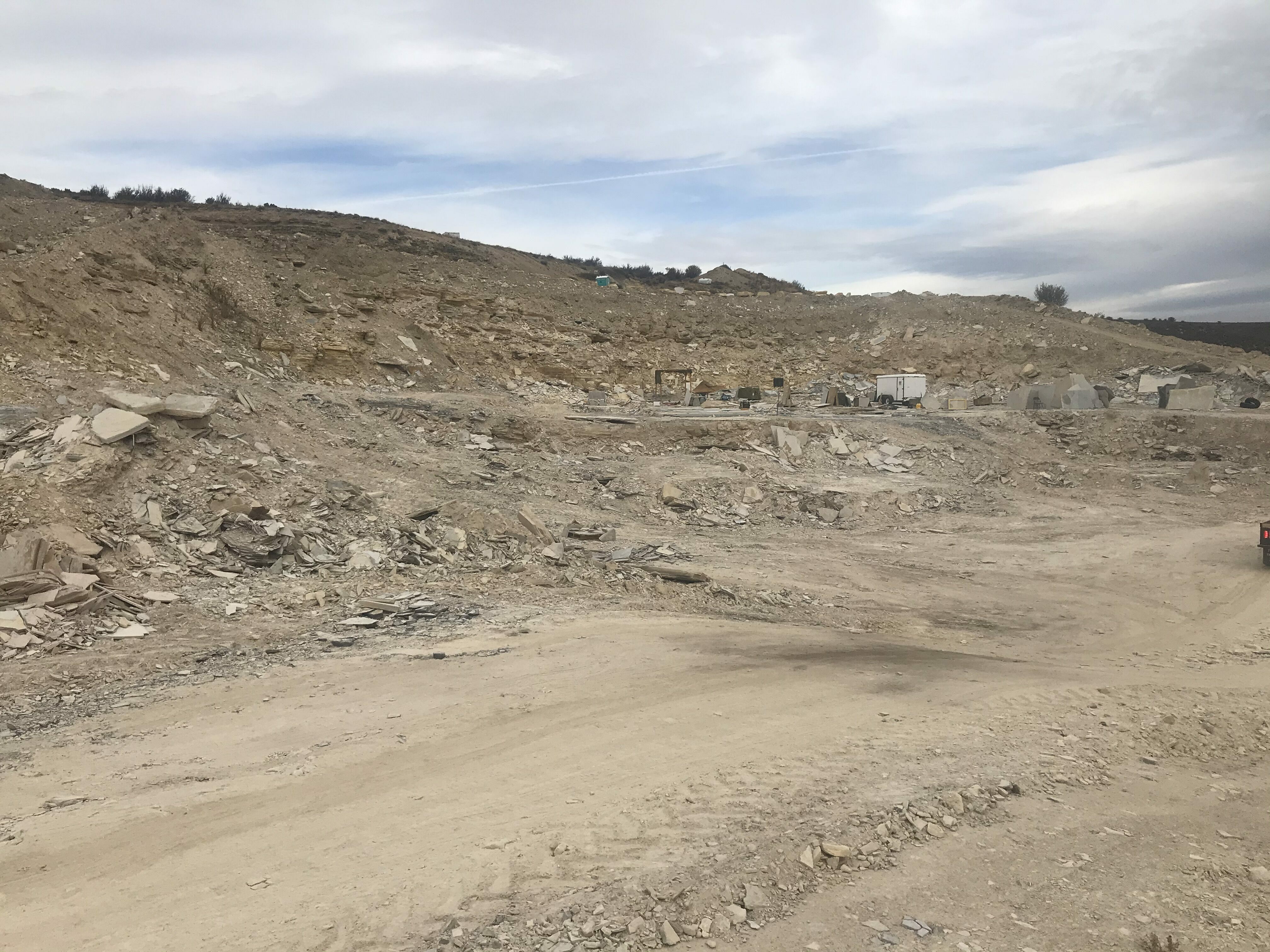
A view of one of the commercial quarries where fossils from the Green River Formation are collected.
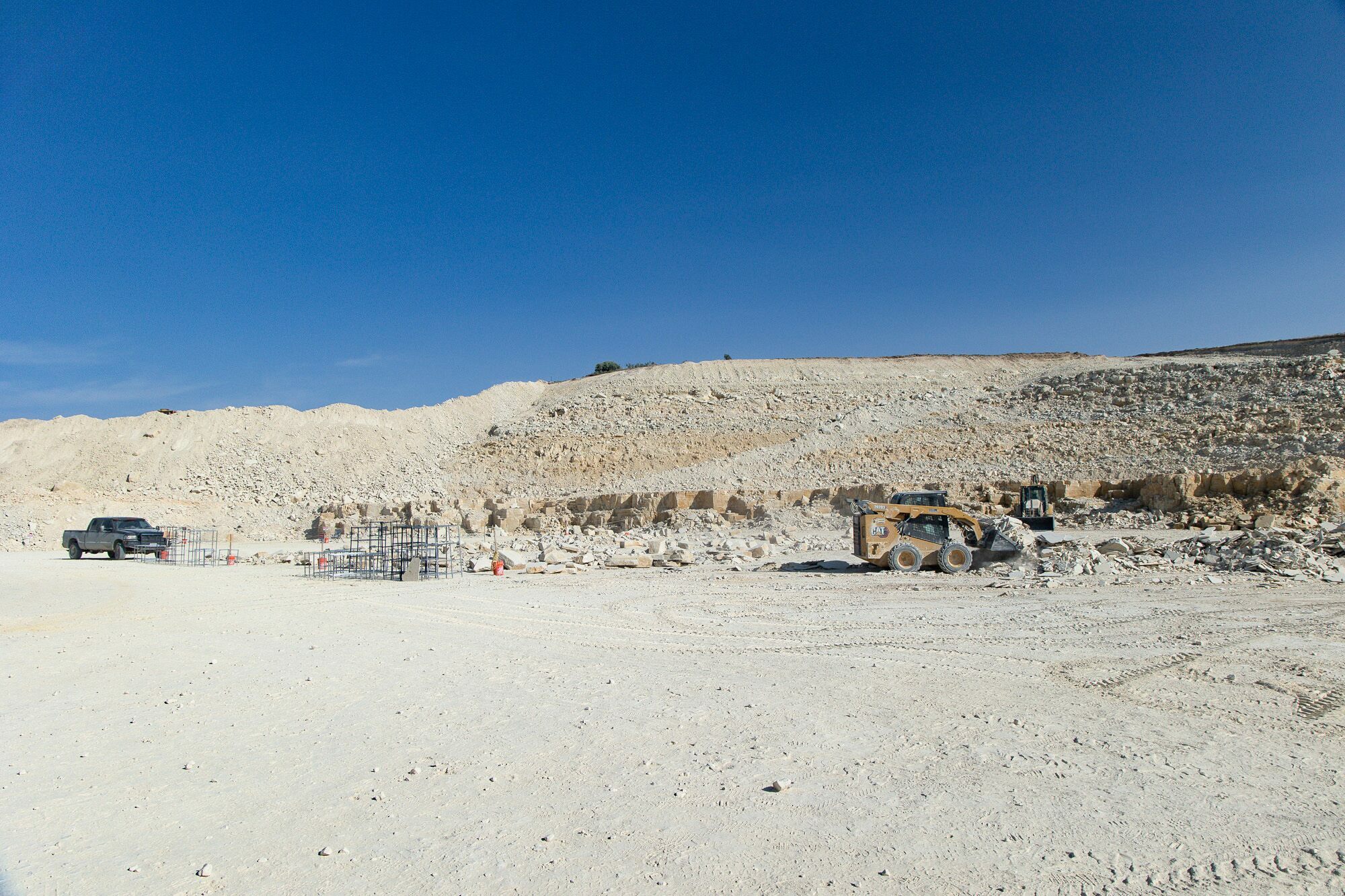
Our Fossil Lake Safari Quarry just outside Kemmerer, Wyoming.
SPECIES
Heliobatis radians

LOCATION
Fossil Safari Quarry, Kemmerer, Wyoming
FORMATION
Green River Formation
SIZE
15.5" long (if outstretched) on 18.1 x 13" rock
CATEGORY
SUB CATEGORY
ITEM
#360650
We guarantee the authenticity of all of our specimens.