 Reviews


This Specimen has been sold.

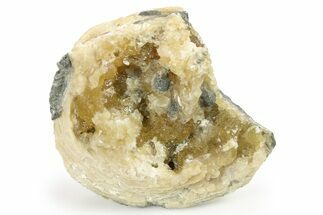

Three Fossil Clams with Fluorescent Calcite Crystals - Ruck's Pit, FL
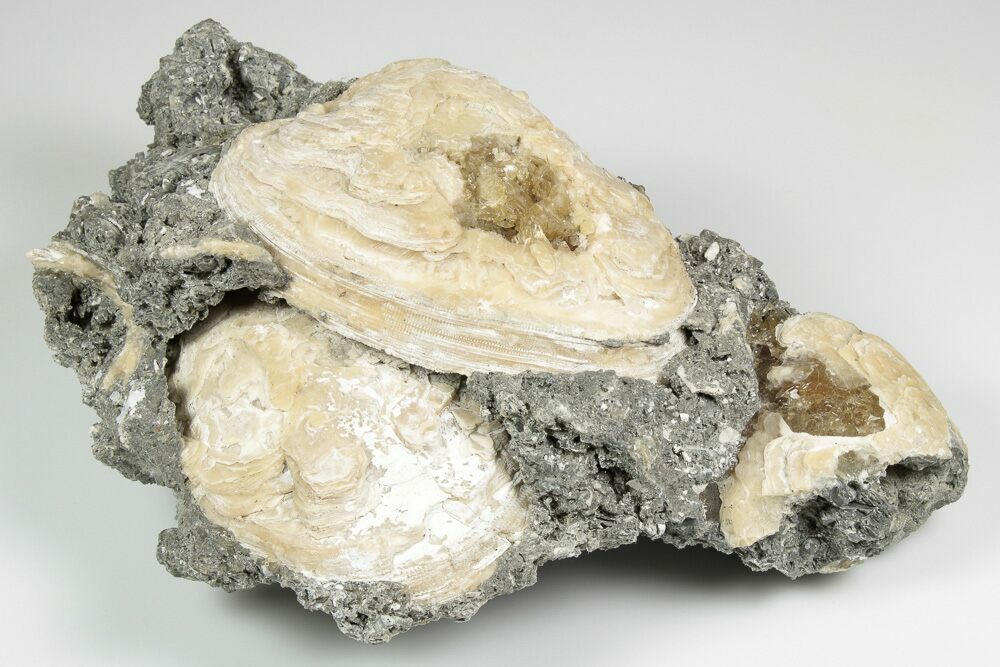
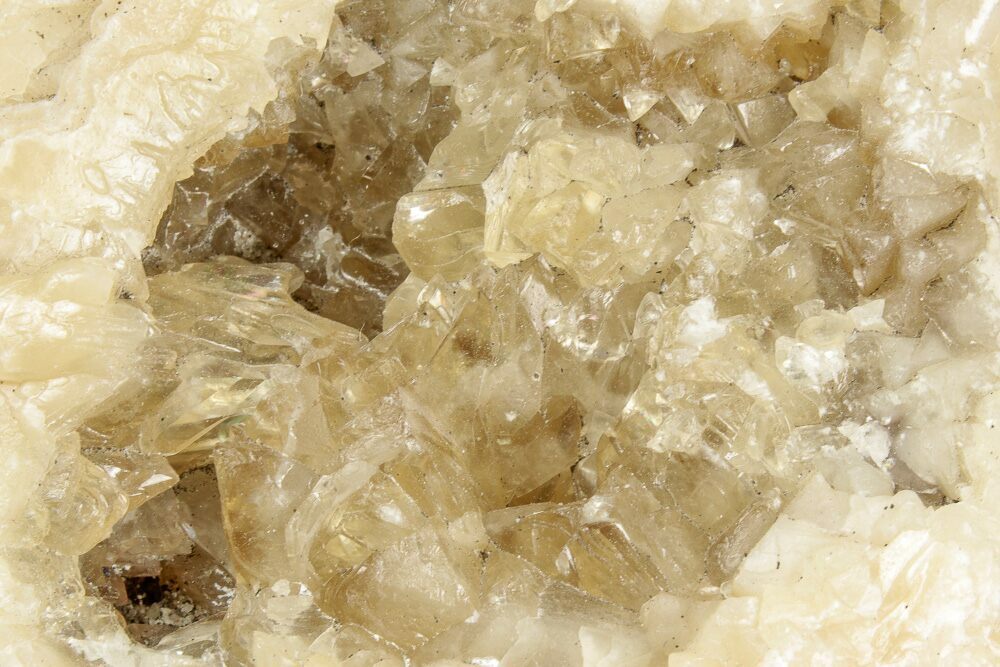
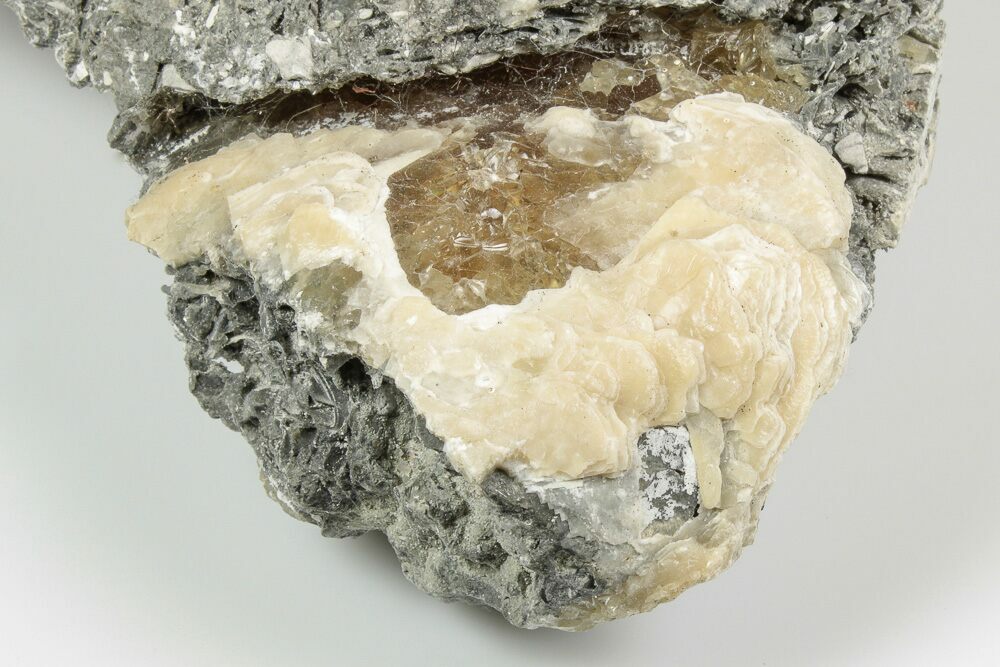
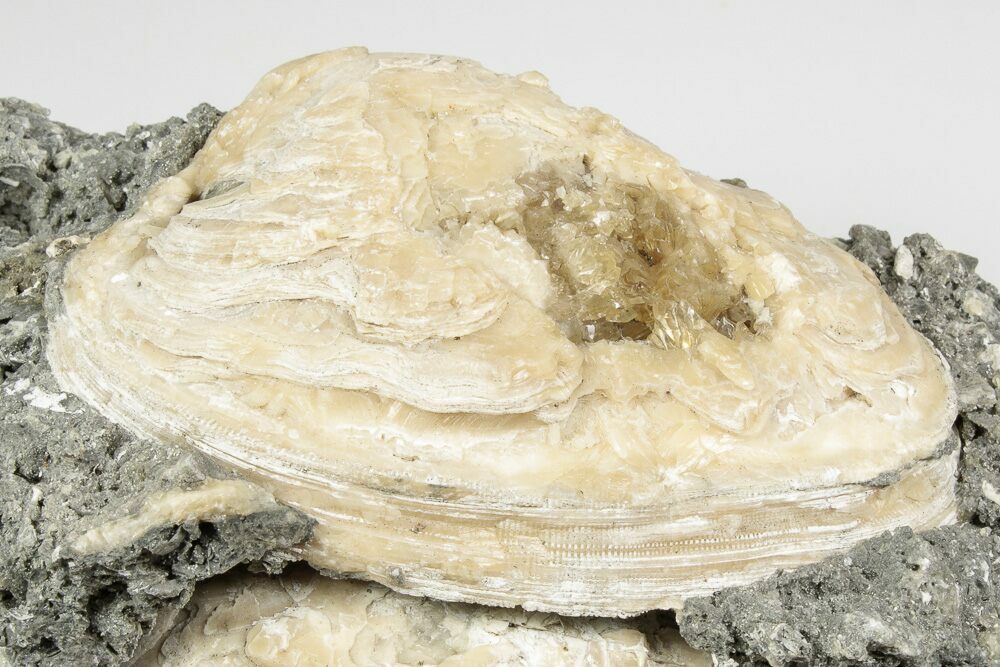
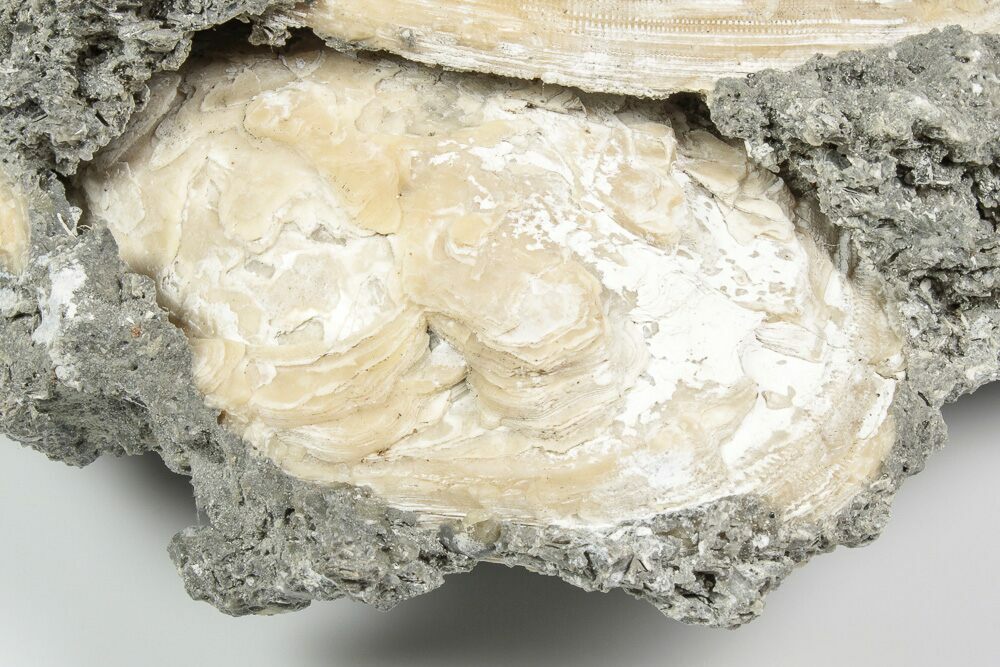
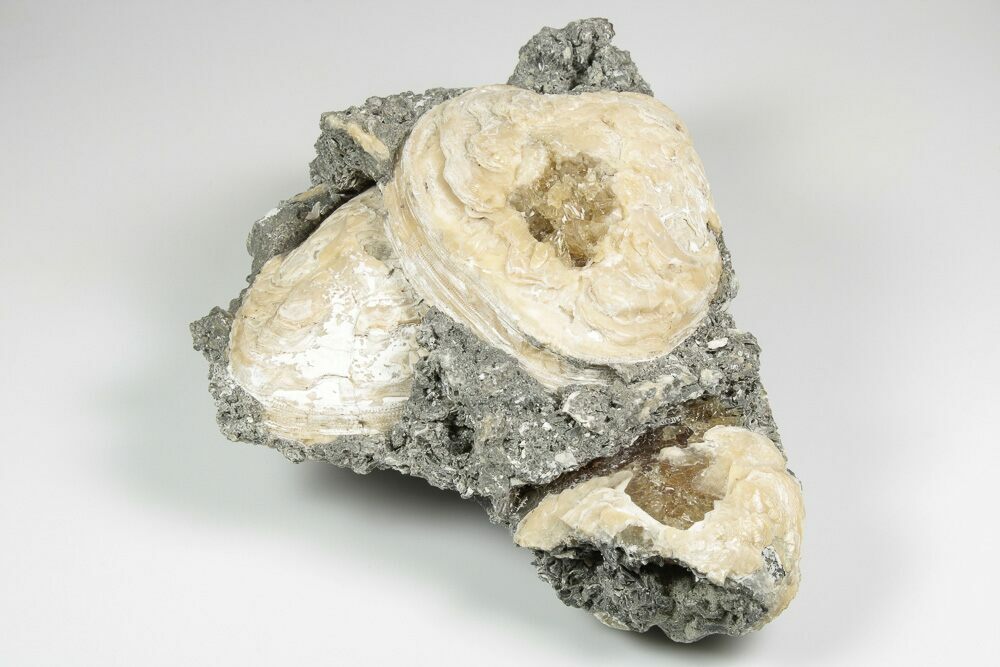
This is a 9.9" wide association of three fossil clams (Mercenaria permagna) from the the famous Ruck's Pit quarry in Florida. The interior of the largest clam and a partial clam are filled with golden-yellow calcite crystals which are highly fluorescent under both short and long-wave UV. These fossils are Early Pleistocene in age, or approximately 2 million years old. This specimen is surrounded by a large amount of the fossiliferous concretion it was found in. Overall a very interesting piece.
It comes with an acrylic display stand.
It comes with an acrylic display stand.
About Ruck's Pit
Fossils from Rucks Pit, located near Fort Drum in central Florida, are famed for their stunning preservation and unique appearance. The site, once part of an ancient shallow sea, is best known for its fossilized clam shells (Mercenaria permagna) from the Pleistocene epoch—roughly 1.5 to 2 million years old. These fossil clams often contain beautiful golden-yellow calcite crystals, formed when mineral-rich groundwater permeated the shells and deposited crystalline calcite in the hollow interiors. The striking contrast between the rough, weathered shell and the sparkling crystal interior makes them highly sought after by collectors.
Rucks Pit was originally a commercial limestone and shell mine, and fossil collecting began as a byproduct of the mining operation. Once word spread about the crystal-filled fossils, it became a popular destination for amateur fossil hunters and mineral collectors alike. However, access became limited after the mine ceased public operations in the mid-2000s, making authentic Rucks Pit fossils increasingly rare and valuable. Today, they are prized not just for their scientific interest, but also for their aesthetic appeal, often displayed as natural mineral-fossil hybrids.
Fossils from Rucks Pit, located near Fort Drum in central Florida, are famed for their stunning preservation and unique appearance. The site, once part of an ancient shallow sea, is best known for its fossilized clam shells (Mercenaria permagna) from the Pleistocene epoch—roughly 1.5 to 2 million years old. These fossil clams often contain beautiful golden-yellow calcite crystals, formed when mineral-rich groundwater permeated the shells and deposited crystalline calcite in the hollow interiors. The striking contrast between the rough, weathered shell and the sparkling crystal interior makes them highly sought after by collectors.
Rucks Pit was originally a commercial limestone and shell mine, and fossil collecting began as a byproduct of the mining operation. Once word spread about the crystal-filled fossils, it became a popular destination for amateur fossil hunters and mineral collectors alike. However, access became limited after the mine ceased public operations in the mid-2000s, making authentic Rucks Pit fossils increasingly rare and valuable. Today, they are prized not just for their scientific interest, but also for their aesthetic appeal, often displayed as natural mineral-fossil hybrids.
SPECIES
Mercenaria permagna

LOCATION
Ruck's Pit, Fort Drum, Florida
FORMATION
Nashua Formation
SIZE
Largest Clam: 5.1" wide, Entire specimen: 9.9 x 6.7"
CATEGORY
SUB CATEGORY
ITEM
#194218
We guarantee the authenticity of all of our specimens.