 Reviews


This Specimen has been sold.


7.1" Fossil Fish (Priscacara) With Knightia - Wyoming
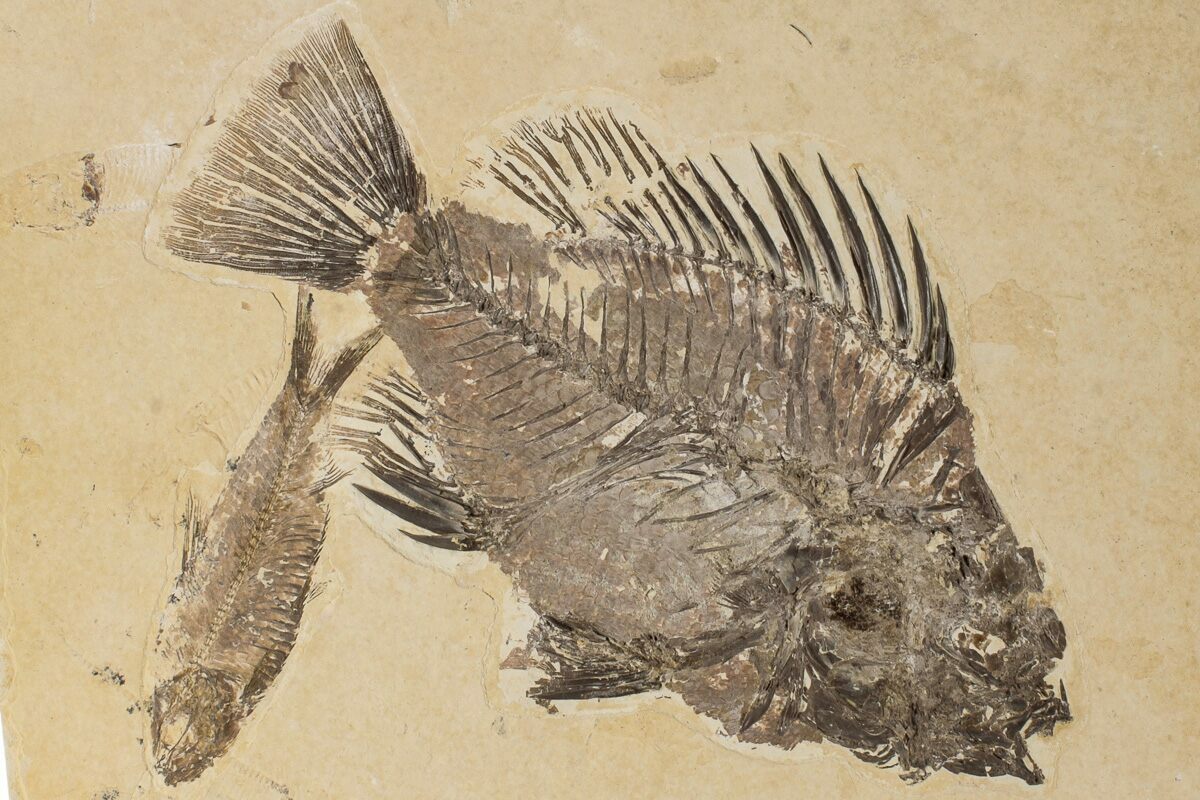
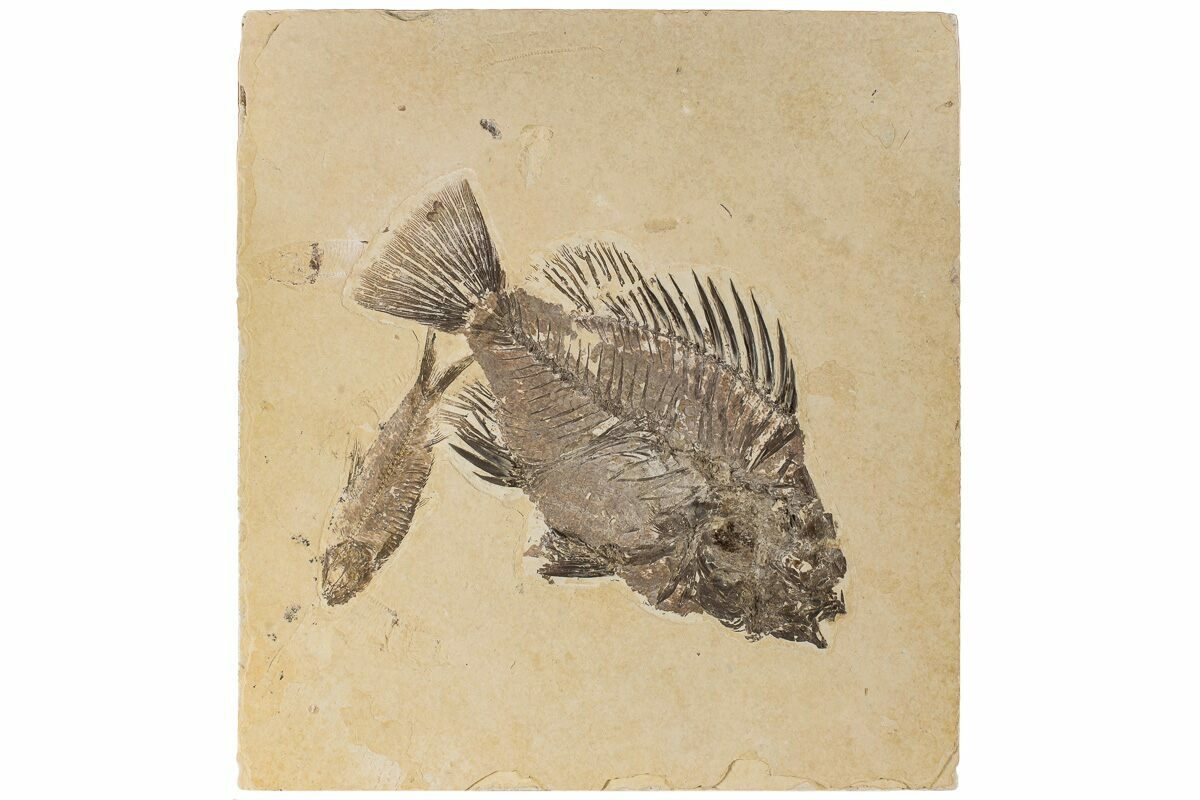
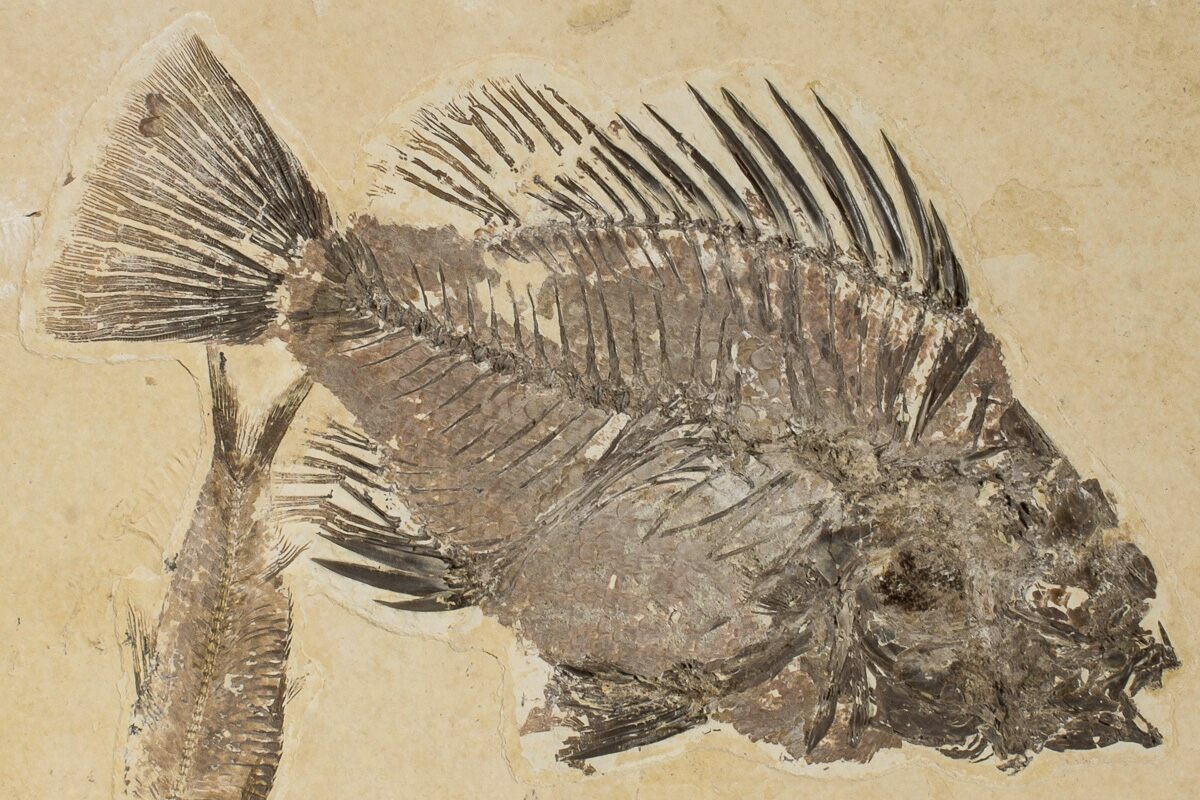
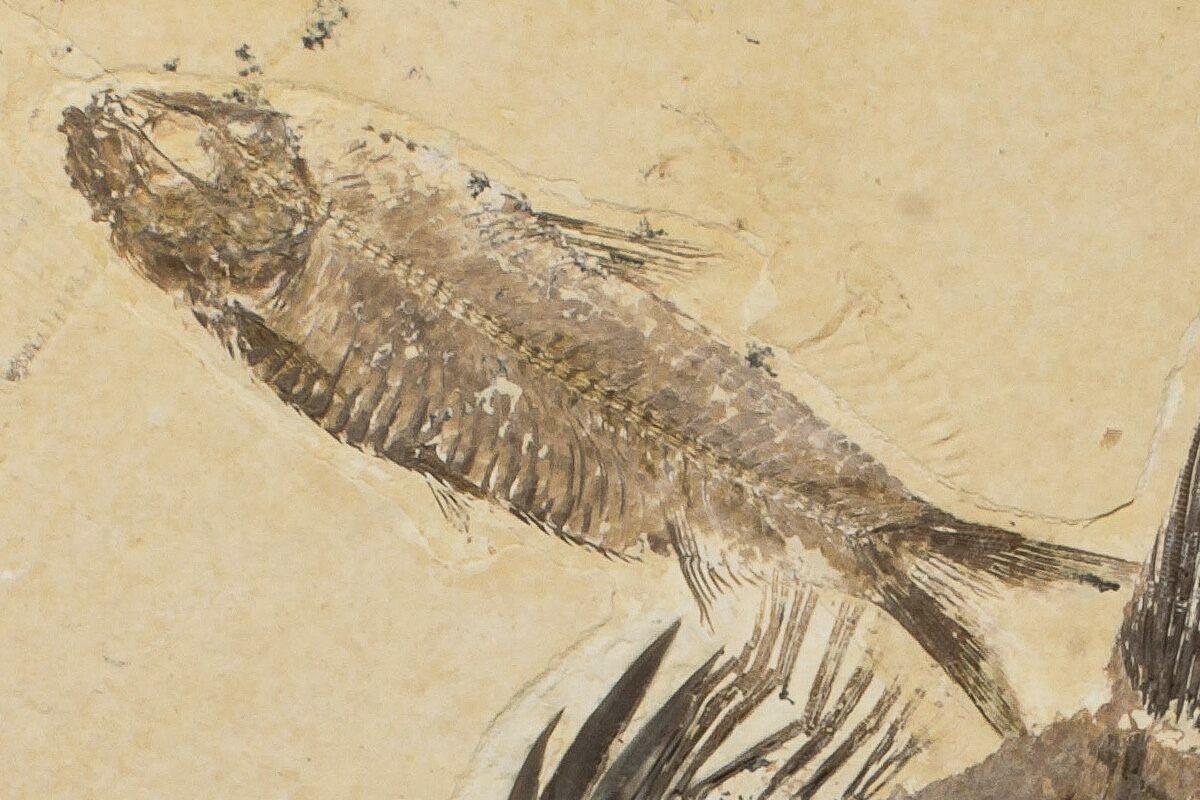
This is a 7.1" long fish (Priscacara serrata) from the Green River Formation. It was collected from Warfield's Quarry near Kemmerer, Wyoming. The Priscacara is accompanied by a 3.5" Knightia fish. They are nicely centered on a 9.7 x 7", rectangularly cut slab of shale.
This specimen includes an acrylic display stand.
This specimen includes an acrylic display stand.
About Priscacara
Priscacara is an extinct genus of temperate bass that lived during the Eocene. It is an uncommon species in the Green River Formation, representing less than 1 percent of total fish fossils. It is a favorite among fossil collectors, particularly those specimens with all of their dorsal spines pointing upwards. It can occasionally reach impressive sizes in excess of 16 inches in length. Priscacara has a large mouth and impressive array of teeth can often be seen in detail on larger, well-preserved specimens.
Priscacara is more frequently found in shoreline lake deposits and less frequently found in rocks deposited in the center of the lake. Its appearance is very similar to that of Cockerellites, a genus of smaller schooling fish found in large numbers in the mid-lake quarries. Cockerellites maxed out in the 5 to 6-inch range, so specimens larger than that can be easily classified as Priscacara. Cockerellites have more dorsal and anal fin rays than Priscacara and a significantly smaller mouth.
Priscacara is an extinct genus of temperate bass that lived during the Eocene. It is an uncommon species in the Green River Formation, representing less than 1 percent of total fish fossils. It is a favorite among fossil collectors, particularly those specimens with all of their dorsal spines pointing upwards. It can occasionally reach impressive sizes in excess of 16 inches in length. Priscacara has a large mouth and impressive array of teeth can often be seen in detail on larger, well-preserved specimens.
Priscacara is more frequently found in shoreline lake deposits and less frequently found in rocks deposited in the center of the lake. Its appearance is very similar to that of Cockerellites, a genus of smaller schooling fish found in large numbers in the mid-lake quarries. Cockerellites maxed out in the 5 to 6-inch range, so specimens larger than that can be easily classified as Priscacara. Cockerellites have more dorsal and anal fin rays than Priscacara and a significantly smaller mouth.
About Knightia
Knightia is an extinct genus of small, schooling, ray-finned fish related to modern herrings and sardines. Abundant in the warm freshwater lakes of the Eocene Green River Formation, they fed on insects, plankton, and tiny fish, while serving as prey for nearly every larger predator in the ecosystem. The most common species, Knightia eocena, reached about 15 cm in length and is celebrated today as the state fossil of Wyoming.
These streamlined fish are recognized by their heavy scales, small conical teeth, and rows of dorsal and ventral scutes along the body. Their fossils are among the most iconic from the Green River Formation—an exceptional 48-million-year-old lake deposit in Wyoming, Colorado, and Utah known for preserving a remarkably detailed snapshot of ancient life in a warm, lake-rich Eocene landscape.
Knightia is an extinct genus of small, schooling, ray-finned fish related to modern herrings and sardines. Abundant in the warm freshwater lakes of the Eocene Green River Formation, they fed on insects, plankton, and tiny fish, while serving as prey for nearly every larger predator in the ecosystem. The most common species, Knightia eocena, reached about 15 cm in length and is celebrated today as the state fossil of Wyoming.
These streamlined fish are recognized by their heavy scales, small conical teeth, and rows of dorsal and ventral scutes along the body. Their fossils are among the most iconic from the Green River Formation—an exceptional 48-million-year-old lake deposit in Wyoming, Colorado, and Utah known for preserving a remarkably detailed snapshot of ancient life in a warm, lake-rich Eocene landscape.
About Fossil Lake
50 million years ago, in the Eocene epoch, these fish thrived in Fossil Lake, which was fed by the Uinta and Rocky Mountain highlands. The anoxic conditions at the bottom of Fossil Lake slowed bacterial decomposition, prevented scavengers from disturbing corpses, and, most interestingly, suffocated creatures that ventured into the oxygen-starved aquatic layer. The result is a miraculous exhibition of Eocene biota: a subtropical aquatic community within sycamore forests, teeming with creatures such as freshwater stingrays, dog-sized horses, menacing alligators, early flying bats, and one of the first primates.
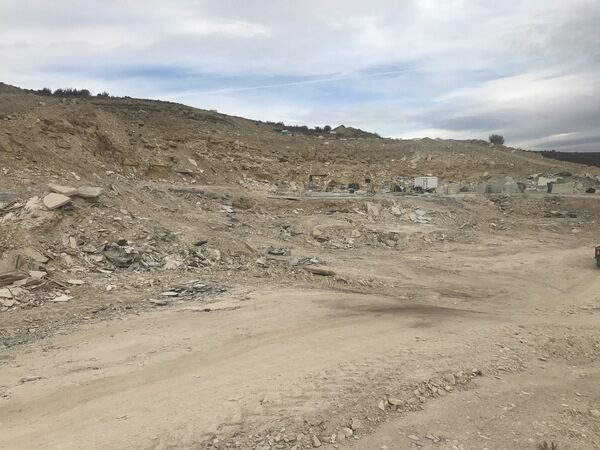
A view of one of the commercial quarries where fossils from the Green River Formation are collected.
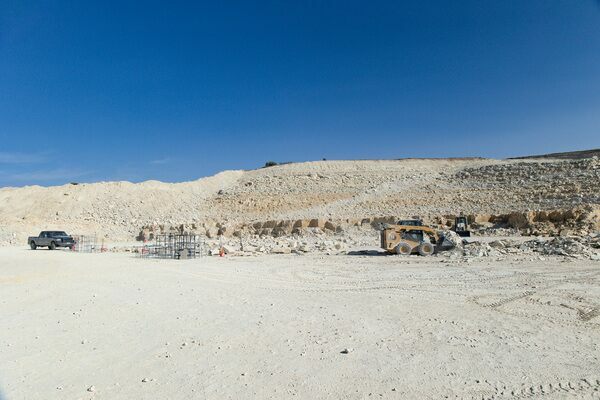
Our Fossil Lake Safari Quarry just outside Kemmerer, Wyoming.
50 million years ago, in the Eocene epoch, these fish thrived in Fossil Lake, which was fed by the Uinta and Rocky Mountain highlands. The anoxic conditions at the bottom of Fossil Lake slowed bacterial decomposition, prevented scavengers from disturbing corpses, and, most interestingly, suffocated creatures that ventured into the oxygen-starved aquatic layer. The result is a miraculous exhibition of Eocene biota: a subtropical aquatic community within sycamore forests, teeming with creatures such as freshwater stingrays, dog-sized horses, menacing alligators, early flying bats, and one of the first primates.
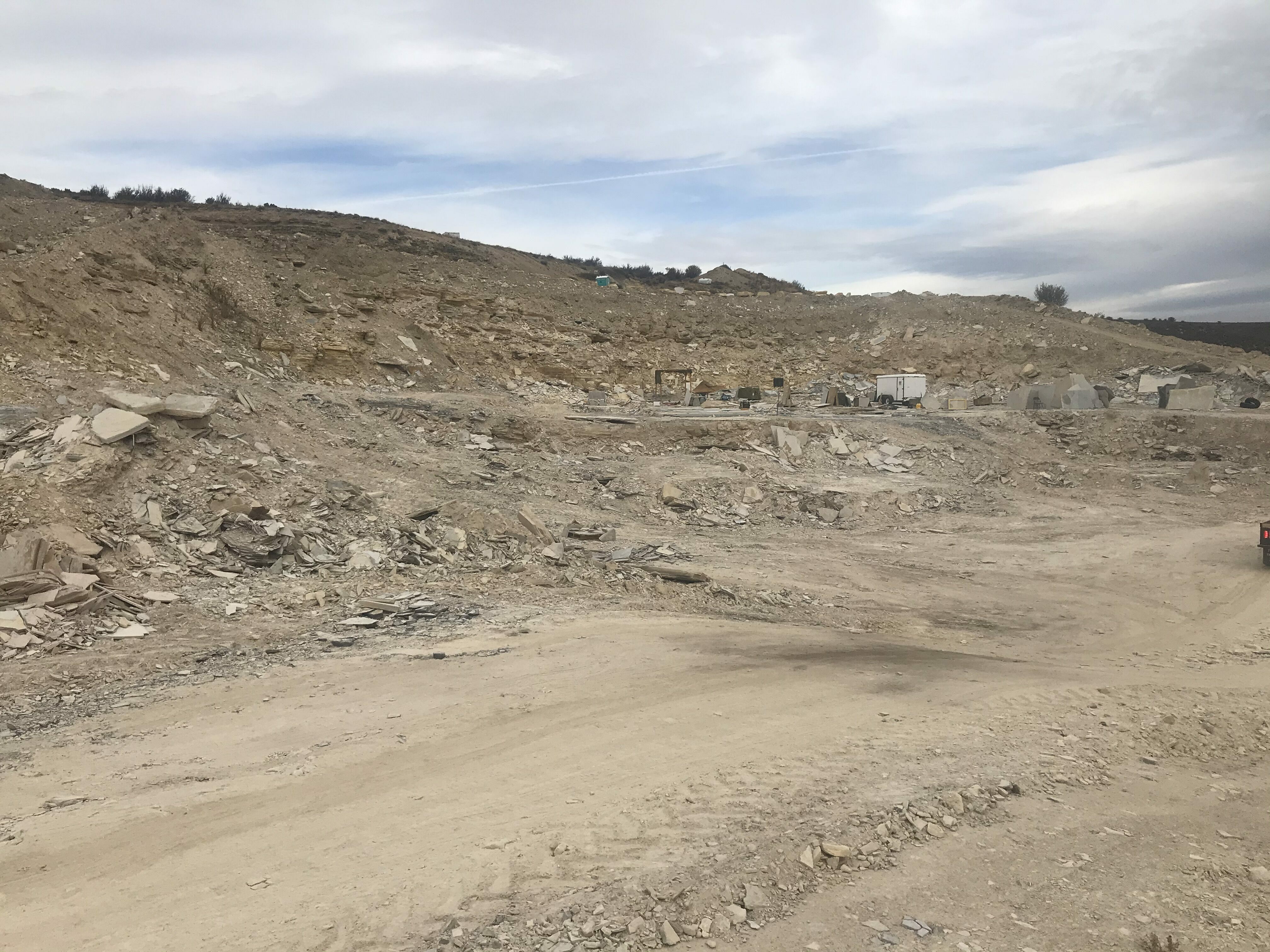
A view of one of the commercial quarries where fossils from the Green River Formation are collected.
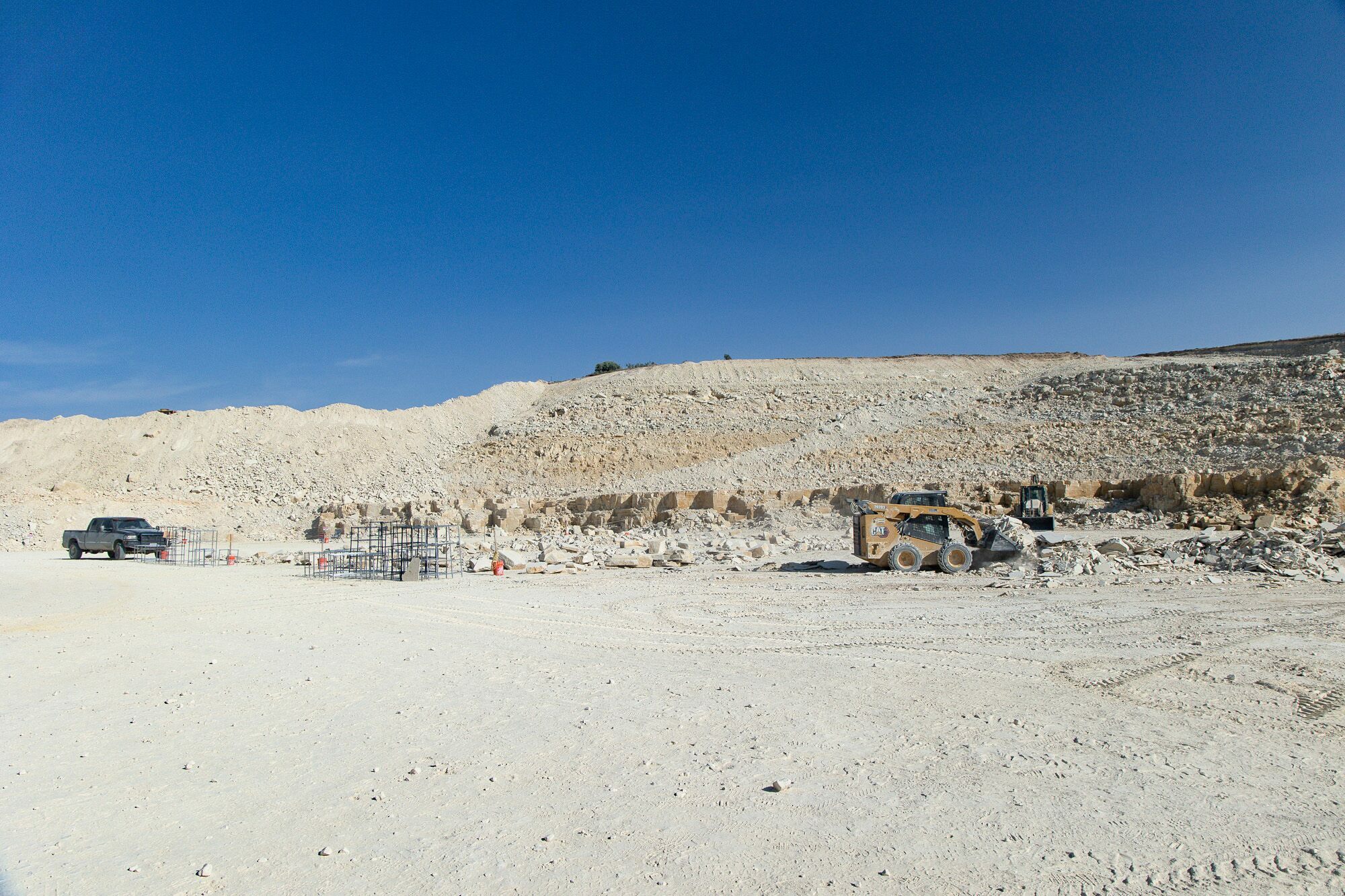
Our Fossil Lake Safari Quarry just outside Kemmerer, Wyoming.
SPECIES
Priscacara serrata & Knightia eocaena

LOCATION
Fossil Safari Quarry, Kemmerer, Wyoming
FORMATION
Green River Formation
SIZE
Priscacara: 7.1" long, Entire specimen: 9.25 x 8.5"
CATEGORY
SUB CATEGORY
ITEM
#198400
We guarantee the authenticity of all of our specimens.


