Reviews

This Specimen has been sold.


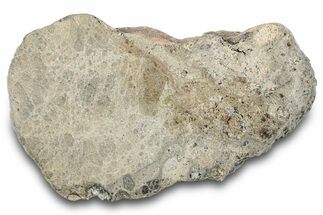
1.23" Gadamis 007 "Apollo" Lunar Meteorite (15.84 g) - New Find!

This is a beautiful, 1.23" wide (15.84 gram) meteorite section from the newly discovered Lunar meteorite, Gadamis 007. It displays the type of patterning that just screams Moon rock.
The Gadamis 007 Meteorite
Gadamis 007, originally misidentified as a lunar ferroan anorthosite meteorite, is classified as an angrite, a rare type of igneous achondrite formed from volcanic processes on a differentiated parent body. Many individuals and fragments weighing about 4 kg total were found near the city of Sinawin, Libya, in 2023.
Meteoritical Bulletin: Entry for Gadamis 007
Gadamis 007, originally misidentified as a lunar ferroan anorthosite meteorite, is classified as an angrite, a rare type of igneous achondrite formed from volcanic processes on a differentiated parent body. Many individuals and fragments weighing about 4 kg total were found near the city of Sinawin, Libya, in 2023.
Meteoritical Bulletin: Entry for Gadamis 007
Moon Rocks... On Earth...
Think the only moon rocks on Earth are samples brought back from Apollo missions? Think again!
Lunar meteorites are type of achondrite meteorites that were formed like other stony (chondrite) meteorites, but they were ejected into space by meteorites and other celestial bodies hitting the moon. Almost all lunar meteorites are brecciated amalgamations of feldspathic and basaltic rocks commonly found on the Moon's surface.
Lunar meteorites are pretty rare to find on Earth: the vast majority of meteorites are from the asteroid belt, and less than 1 percent of classified meteorites are lunar in origin. The total mass of all known lunar meteorites is probably less than 1,000 kilograms. Owning a piece of the moon is a pretty rare accomplishment!
One reason they are so rare is because lunar meteorites superficially look just like earth rocks. Even a true meteorite expert would not recognize a lunar meteor laying on the ground among earthly stones. Lunar meteorites have only been recognized in places naturally devoid of rocks, like sandy deserts and ice sheets. In fact, there has never been a lunar meteorite classified from North America, South America or Europe. Most are found in the Sahara Desert (Northwest Africa), Antarctica, or Oman. All Antarctic meteorites are governmental property so they cannot be privately attained.
Think the only moon rocks on Earth are samples brought back from Apollo missions? Think again!
Lunar meteorites are type of achondrite meteorites that were formed like other stony (chondrite) meteorites, but they were ejected into space by meteorites and other celestial bodies hitting the moon. Almost all lunar meteorites are brecciated amalgamations of feldspathic and basaltic rocks commonly found on the Moon's surface.
Lunar meteorites are pretty rare to find on Earth: the vast majority of meteorites are from the asteroid belt, and less than 1 percent of classified meteorites are lunar in origin. The total mass of all known lunar meteorites is probably less than 1,000 kilograms. Owning a piece of the moon is a pretty rare accomplishment!
One reason they are so rare is because lunar meteorites superficially look just like earth rocks. Even a true meteorite expert would not recognize a lunar meteor laying on the ground among earthly stones. Lunar meteorites have only been recognized in places naturally devoid of rocks, like sandy deserts and ice sheets. In fact, there has never been a lunar meteorite classified from North America, South America or Europe. Most are found in the Sahara Desert (Northwest Africa), Antarctica, or Oman. All Antarctic meteorites are governmental property so they cannot be privately attained.
TYPE
Lunar (Ferroan Anorthositic)
LOCATION
Ghadamis, Libya
SIZE
1.23 x 1.10 x .90", Weight: 15.84 grams
CATEGORY
SUB CATEGORY
ITEM
#301146