 Reviews

This Specimen has been sold.


2" Kammererite Crystals on Matrix - Kop Krom Mine, Turkey
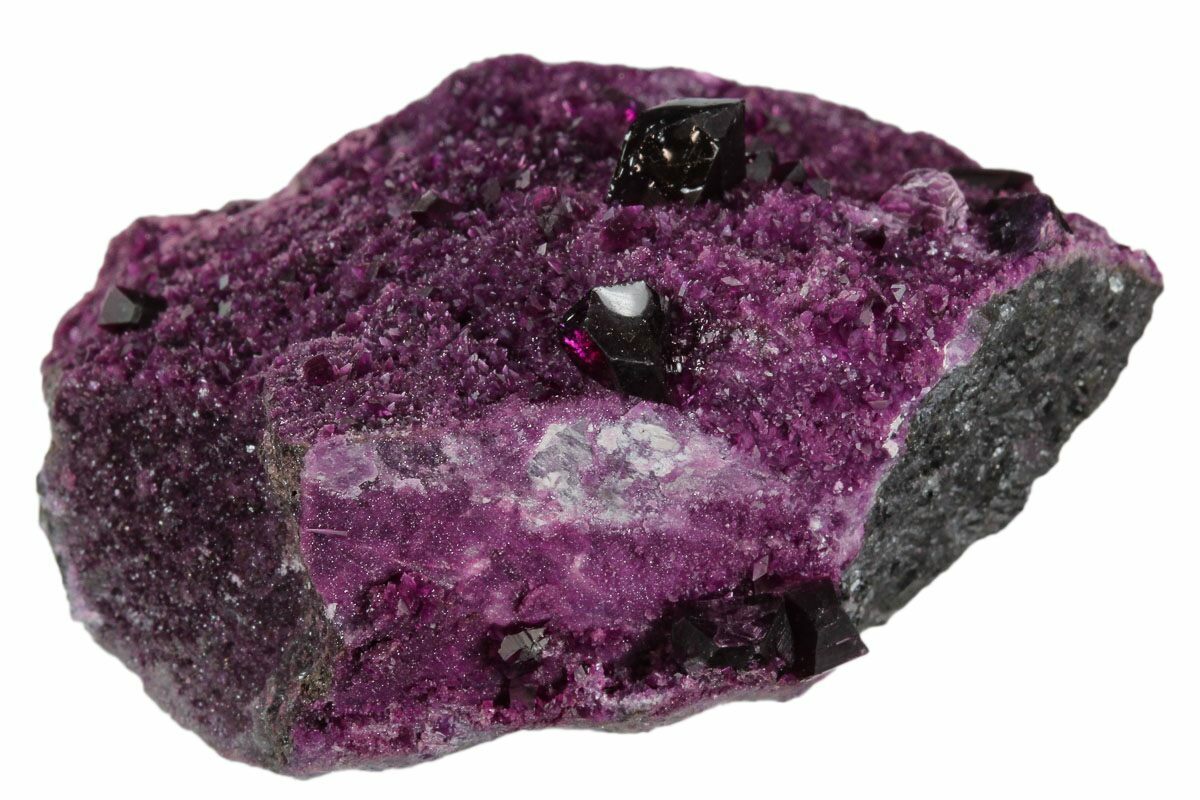
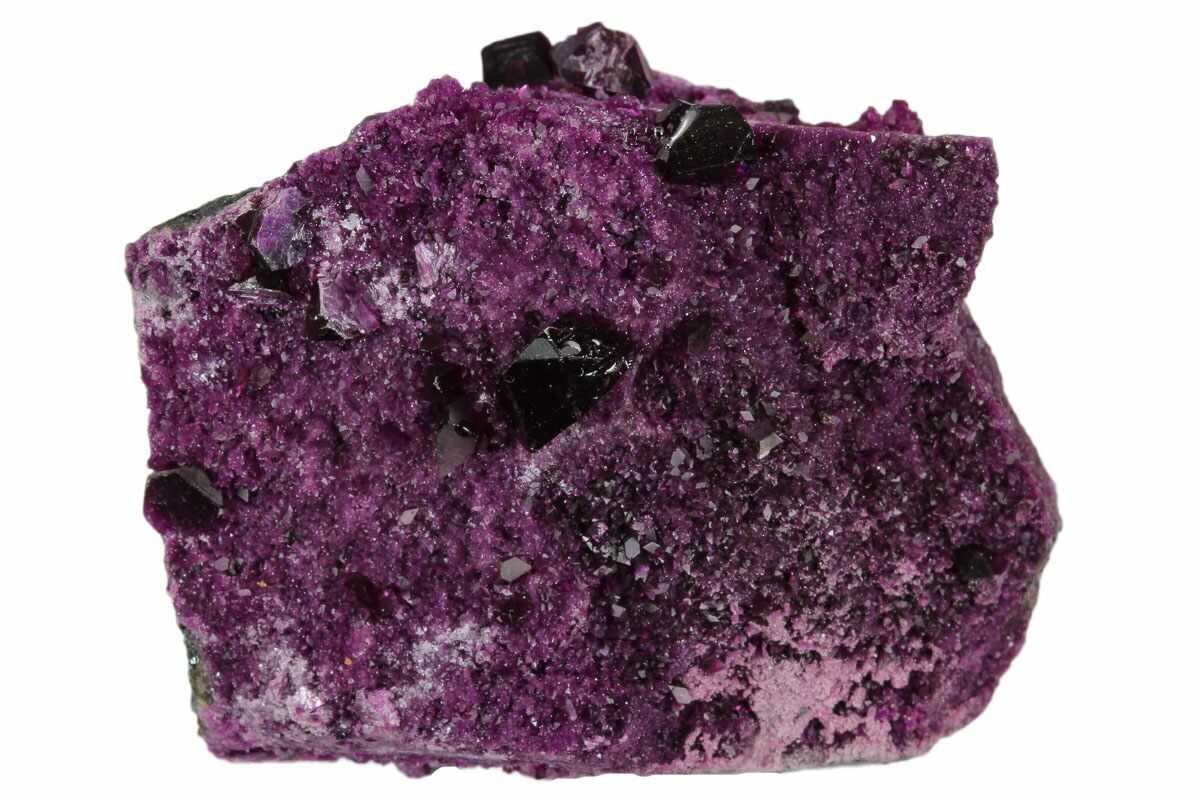
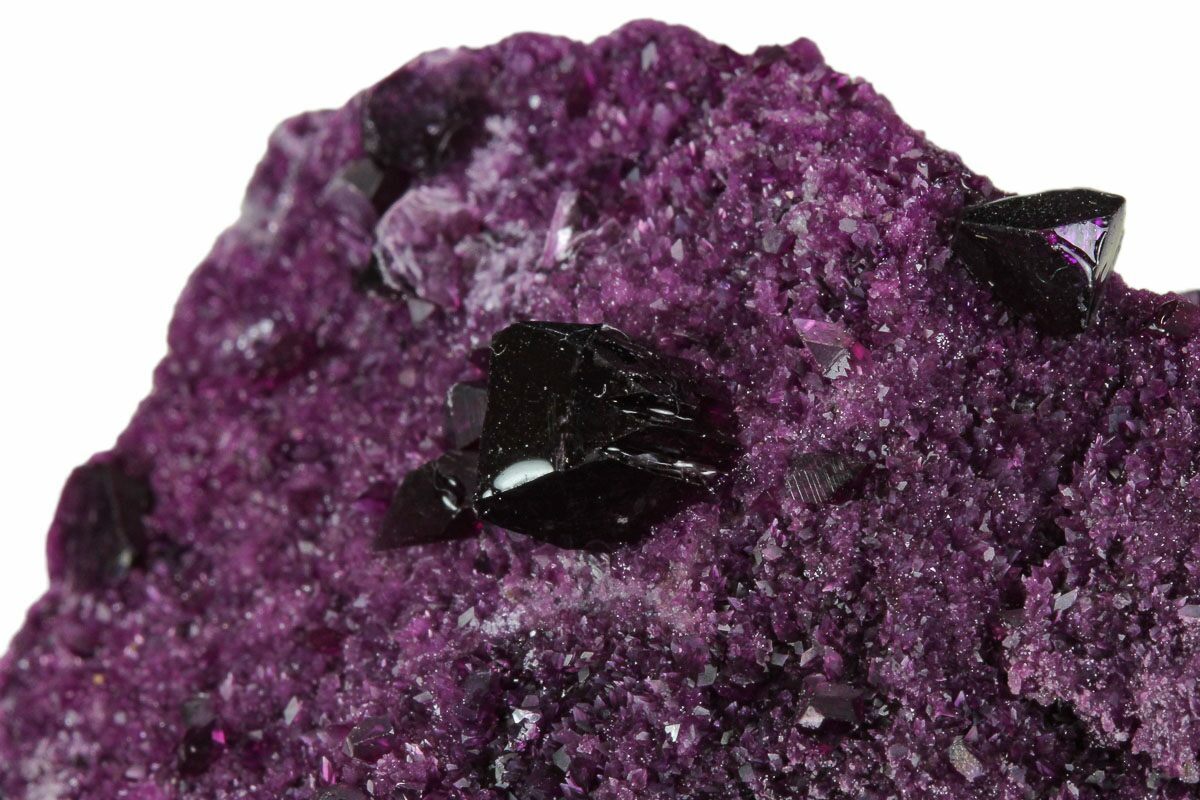
This is a gorgeous cluster of magenta colored kammererite crystals on a rock matrix, collected from the Kop Krom Mine in Turkey. The matrix is almost entirely encrusted a druze of kammererite crystals, with larger crystals scattered throughout the specimen.
About Kämmererite
Kämmererite is a striking, chromium-rich variety of clinochlore known for its vivid rose-red to deep magenta coloration—an unusual palette within the chlorite mineral group. Its brilliant hues come from trace chromium substituting into the crystal structure, transforming what is typically a green mineral into something far more eye-catching. Kämmererite commonly forms in metamorphosed ultramafic rocks, serpentinites, and chromite-rich deposits, where chromium is naturally abundant. Crystals may appear as stacked, platy aggregates or shimmering micaceous sheets with excellent luster and strong pleochroism, shifting from pink to purple depending on the angle of light.
First described in 1841 by Finnish mineralogist Nils Gustaf Nordenskiöld, the mineral was named in honor of German geologist and pharmacist August Alexander Kämmerer. Because high-quality specimens are relatively uncommon, kämmererite remains highly prized among mineral collectors, particularly in vivid crystalline form. Notable localities include Turkey, Russia, Pakistan, and Scandinavia, where the unique combination of chromite-bearing rocks and metamorphic processes produces this rare and visually striking mineral.
Kämmererite is a striking, chromium-rich variety of clinochlore known for its vivid rose-red to deep magenta coloration—an unusual palette within the chlorite mineral group. Its brilliant hues come from trace chromium substituting into the crystal structure, transforming what is typically a green mineral into something far more eye-catching. Kämmererite commonly forms in metamorphosed ultramafic rocks, serpentinites, and chromite-rich deposits, where chromium is naturally abundant. Crystals may appear as stacked, platy aggregates or shimmering micaceous sheets with excellent luster and strong pleochroism, shifting from pink to purple depending on the angle of light.
First described in 1841 by Finnish mineralogist Nils Gustaf Nordenskiöld, the mineral was named in honor of German geologist and pharmacist August Alexander Kämmerer. Because high-quality specimens are relatively uncommon, kämmererite remains highly prized among mineral collectors, particularly in vivid crystalline form. Notable localities include Turkey, Russia, Pakistan, and Scandinavia, where the unique combination of chromite-bearing rocks and metamorphic processes produces this rare and visually striking mineral.
SPECIES
Kammererite
LOCATION
Kop Krom Mine, Kop Daglari, Erzurum Province, Turkey
SIZE
2 x 1.55"
CATEGORY
ITEM
#129095


