 Reviews


This Specimen has been sold.


4.3" Fossil Mosasaur (Clidastes) Scapula Bone - Texas
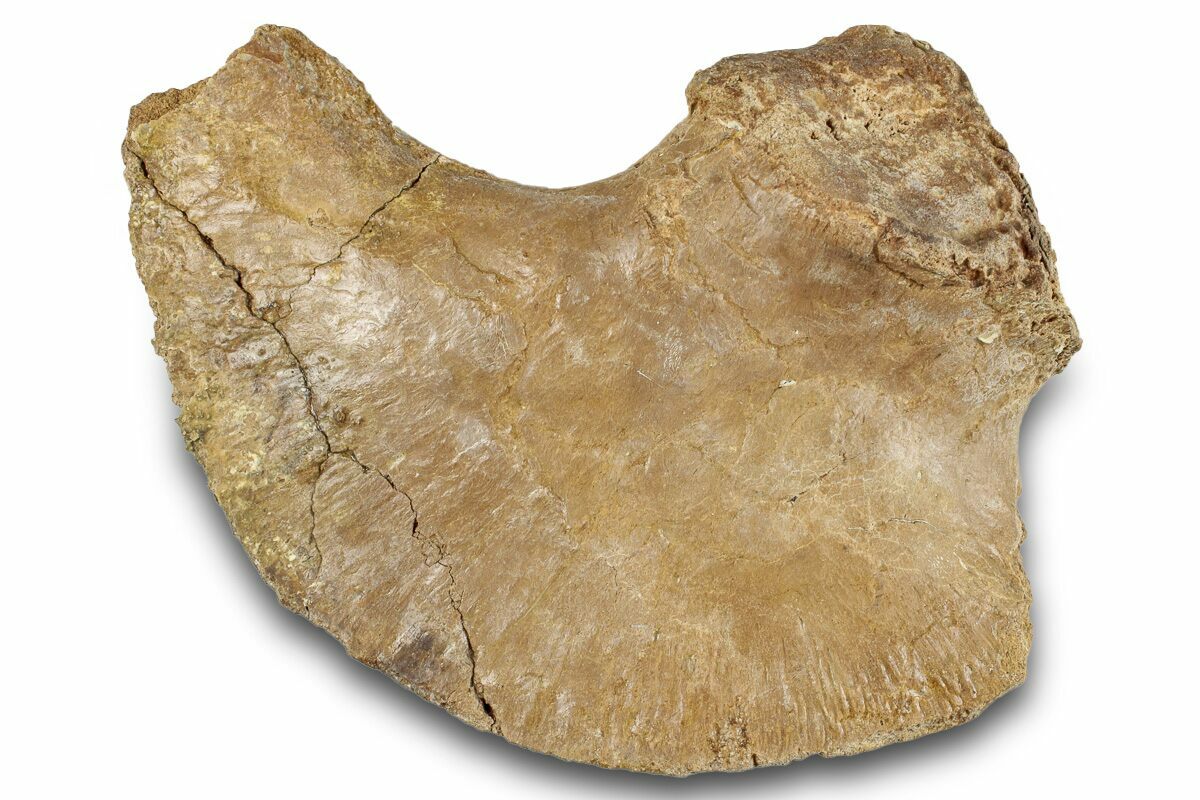
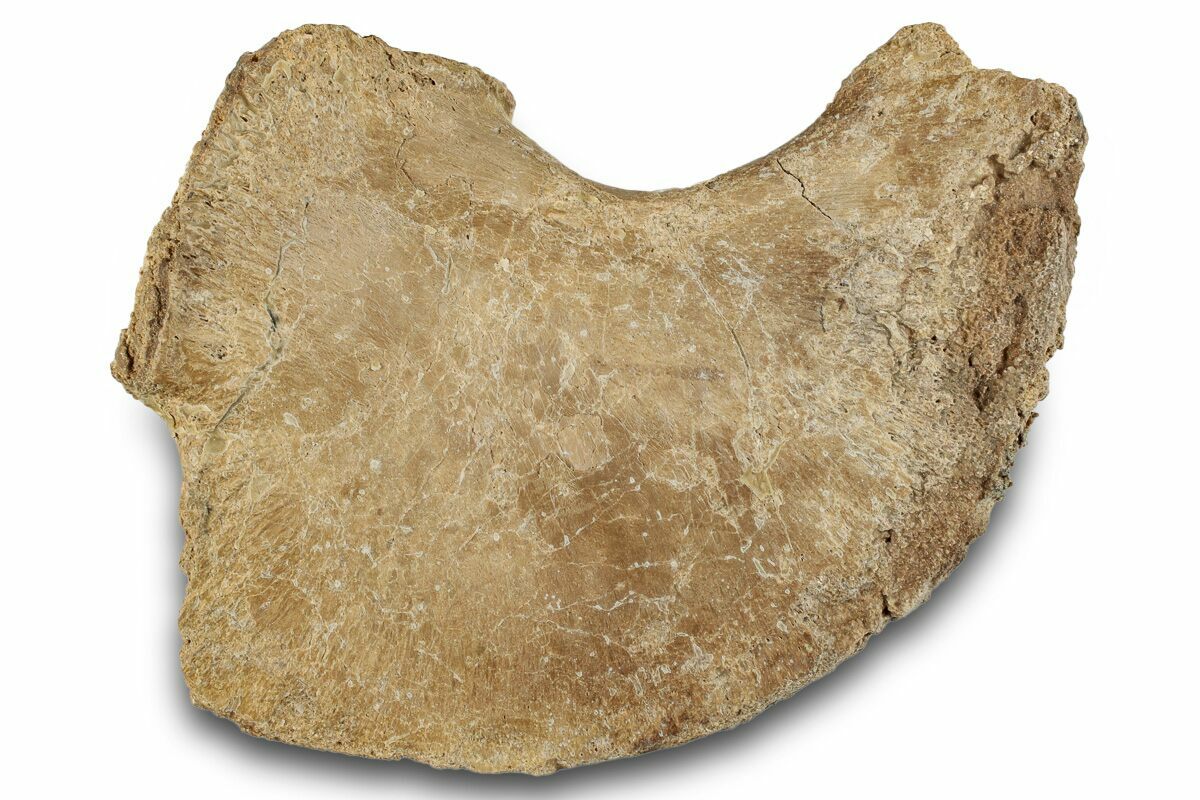
This is a nicely preserved, 4.3" wide fossil scapula bone from a mosasaur (Clidastes sp.), collected from the Upper Cretaceous-aged Pecan Gap Chalk in Texas. The bone has a couple repaired cracks and has been stabilized with a sealant.
Comes with an acrylic display stand.
Comes with an acrylic display stand.
About Clidastes
Clidastes is an extinct genus of marine lizard belonging to the mosasaur family, a group of large predatory reptiles that thrived in the Late Cretaceous seas. Fossils of Clidastes have been found primarily in North America, especially in the Niobrara Formation of Kansas and surrounding regions, which were once covered by the Western Interior Seaway. Compared to many of its more massive relatives like Tylosaurus or Mosasaurus, Clidastes was relatively small and lightly built. Most species measured about 3–4 meters (10–13 feet) in length, though some individuals may have grown slightly larger. Its name, meaning “locked vertebrae,” refers to the interlocking structure of its spinal bones, which helped stiffen the body during swimming.
Unlike the deep-bodied, heavy-built mosasaurs, Clidastes had a slender ribcage and elongated body that gave it a streamlined, almost eel-like profile. Its long, narrow jaws were lined with sharp, conical teeth well suited for grasping fish and squid. This lightweight build, combined with powerful paddle-like limbs and a tail adapted for propulsion, suggests that Clidastes was a fast and agile swimmer. It likely hunted smaller, quick-moving prey in open marine environments, relying on speed and maneuverability rather than sheer size and strength to capture its meals.
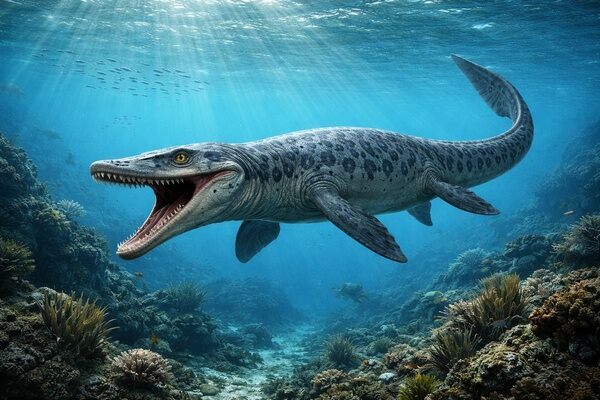
A reconstruction of what Clidastes looked like.
Clidastes is an extinct genus of marine lizard belonging to the mosasaur family, a group of large predatory reptiles that thrived in the Late Cretaceous seas. Fossils of Clidastes have been found primarily in North America, especially in the Niobrara Formation of Kansas and surrounding regions, which were once covered by the Western Interior Seaway. Compared to many of its more massive relatives like Tylosaurus or Mosasaurus, Clidastes was relatively small and lightly built. Most species measured about 3–4 meters (10–13 feet) in length, though some individuals may have grown slightly larger. Its name, meaning “locked vertebrae,” refers to the interlocking structure of its spinal bones, which helped stiffen the body during swimming.
Unlike the deep-bodied, heavy-built mosasaurs, Clidastes had a slender ribcage and elongated body that gave it a streamlined, almost eel-like profile. Its long, narrow jaws were lined with sharp, conical teeth well suited for grasping fish and squid. This lightweight build, combined with powerful paddle-like limbs and a tail adapted for propulsion, suggests that Clidastes was a fast and agile swimmer. It likely hunted smaller, quick-moving prey in open marine environments, relying on speed and maneuverability rather than sheer size and strength to capture its meals.
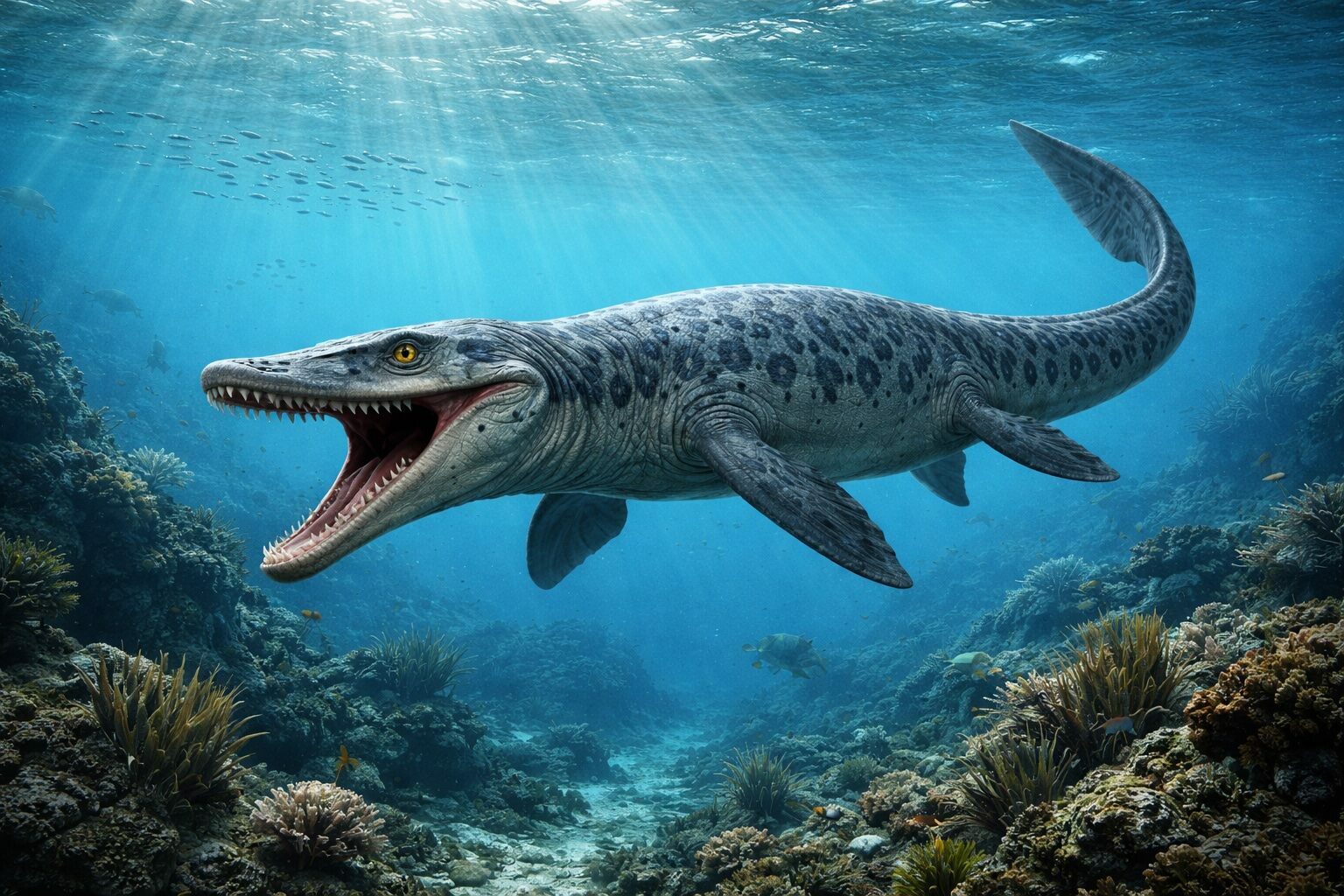
A reconstruction of what Clidastes looked like.
SPECIES
Clidastes sp.
AGE

LOCATION
North Sulphur River, Texas
FORMATION
Pecan Gap Chalk
SIZE
4.3 x 3.2"
CATEGORY
SUB CATEGORY
ITEM
#284480
We guarantee the authenticity of all of our specimens.