 Reviews


This Specimen has been sold.


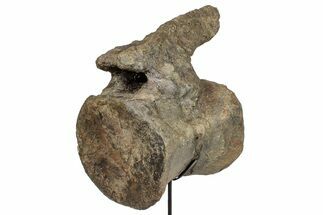
4.6" Tall, Pliosaurus (Stretosaurus) Vertebra - England
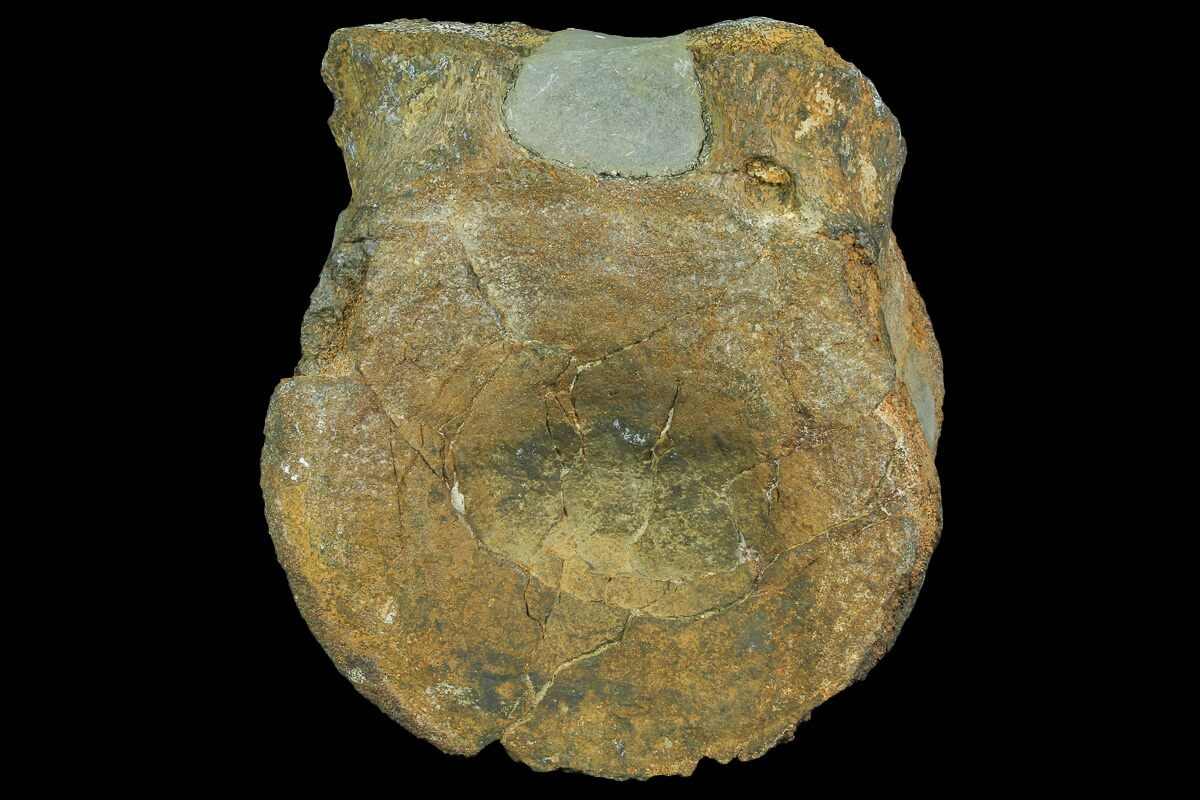
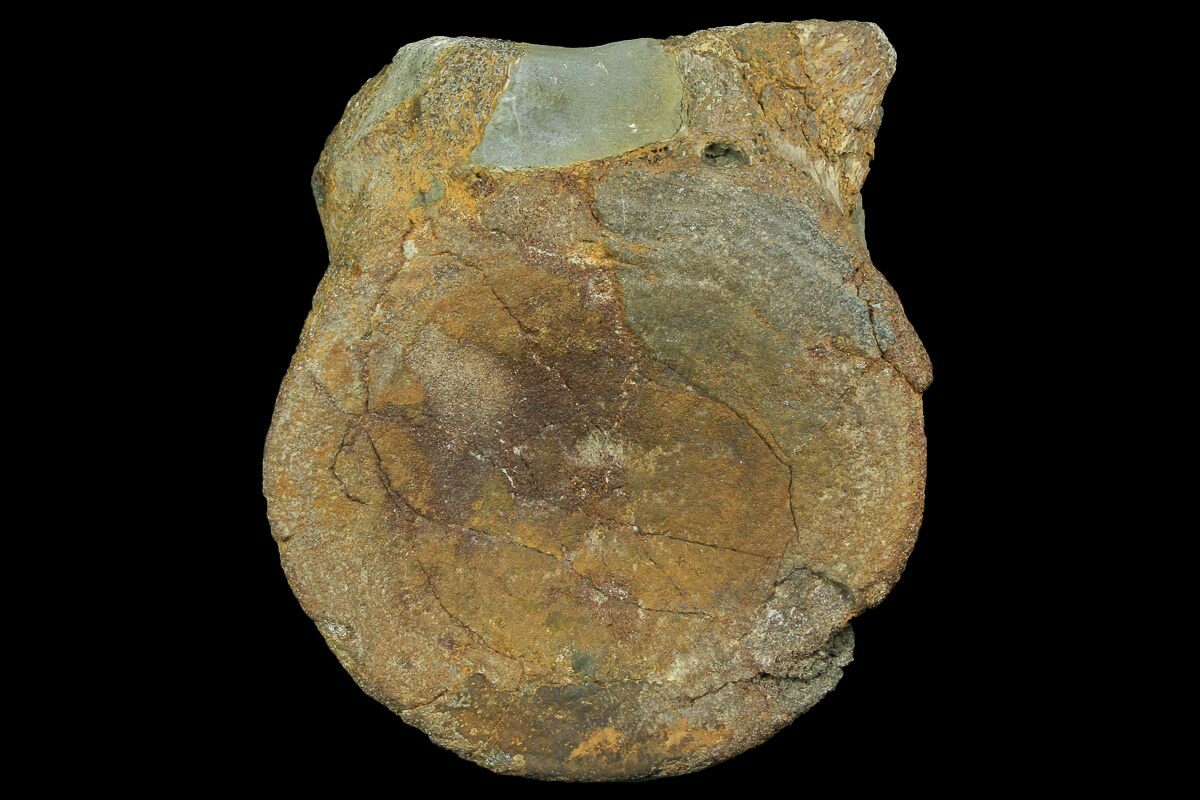
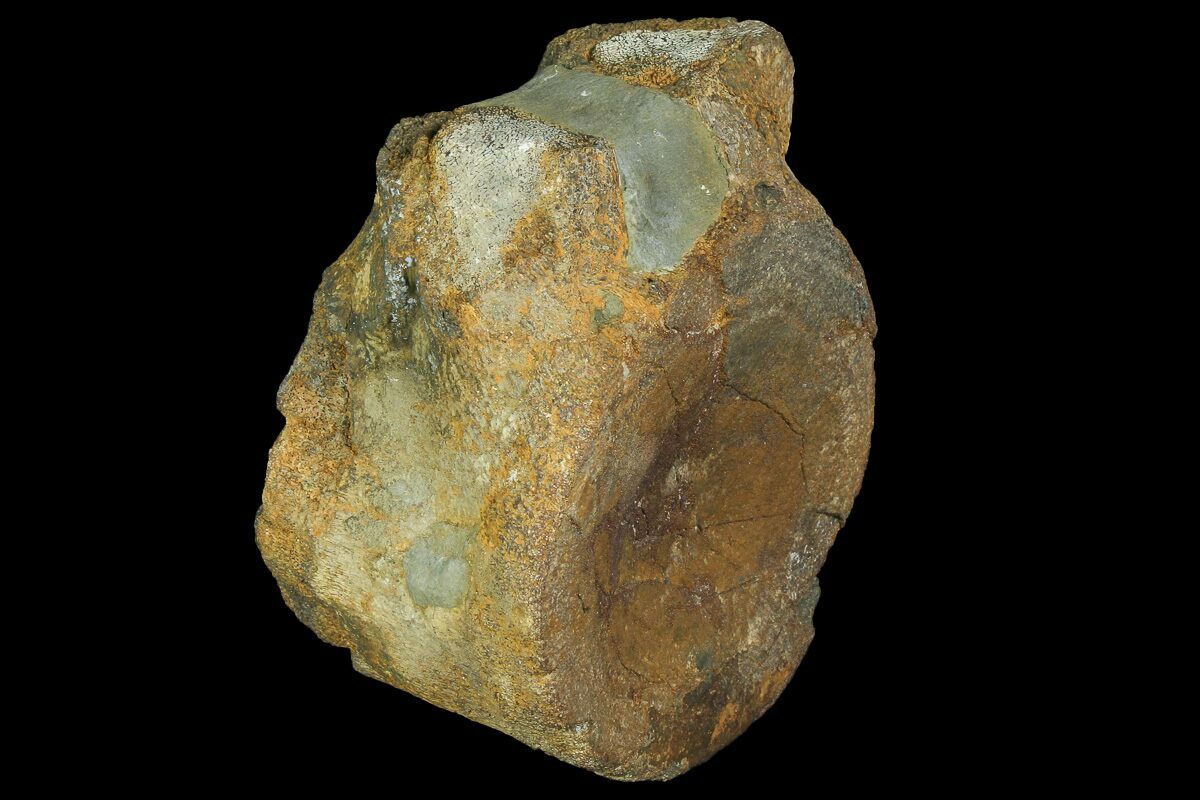
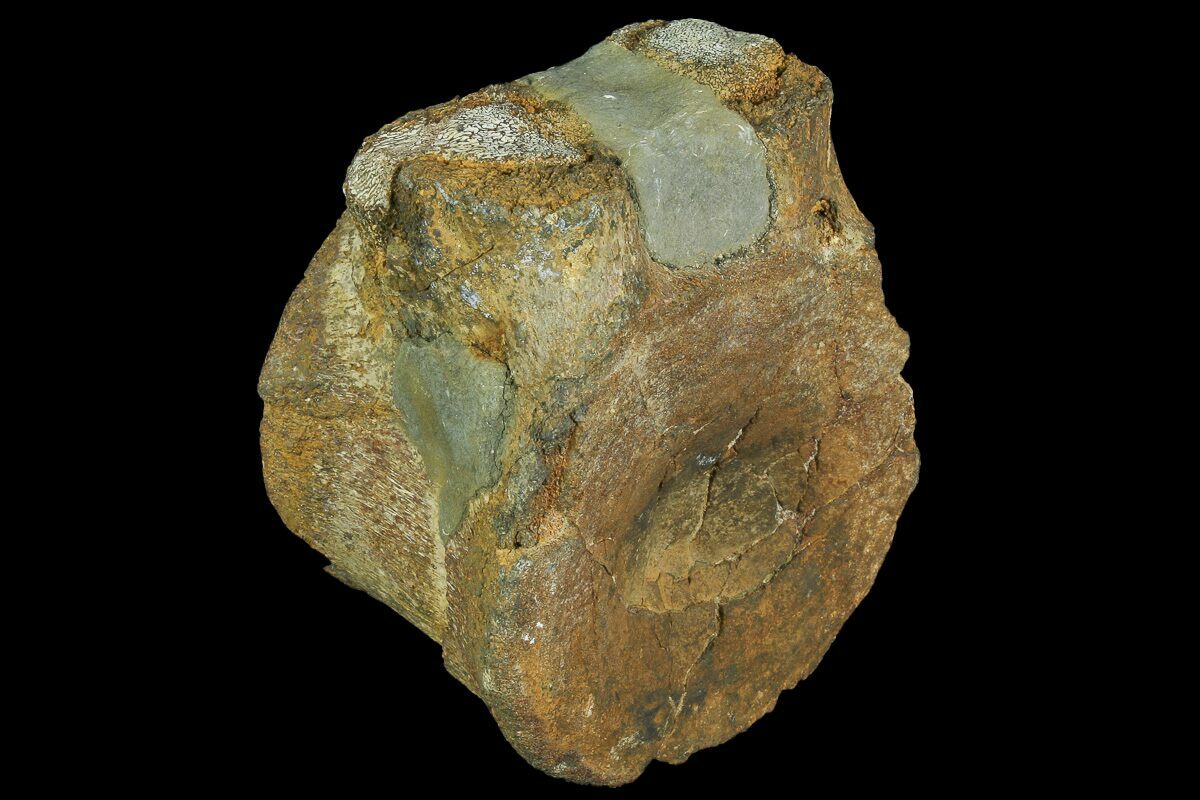
This is a 4.6" tall vertebra centrum of the giant Pliosaurus Stretosaurus cf. macromerus, collected from Abingdon, England. The pedicles of the vertebra are still intact, however the rest of the processes are missing. Rock has been left within what remains of the vertebral foramen for stability purposes.
Comes with an acrylic stand.
Comes with an acrylic stand.
About Pliosaurs
A pliosaur is a type of marine reptile belonging to the broader group known as plesiosaurs, distinguished by its short neck, massive skull, and powerful jaws. Unlike their long-necked relatives, pliosaurs evolved a compact, muscular neck that supported an enormous head armed with thick, conical teeth designed for gripping and tearing prey. They lived during the Jurassic and Early Cretaceous periods and were fully adapted to life in the open ocean, using four large flippers to “fly” through the water with exceptional speed and control.
A realistic paleoart of a massive pliosaur swimming through a sunlit prehistoric ocean
Pliosaurs were among the apex predators of prehistoric seas, occupying a role similar to modern killer whales or great white sharks. Fossil evidence shows that they fed on large fish, ammonites, sharks, and even other marine reptiles, including long-necked plesiosaurs. Some of the largest pliosaurs reached lengths of over 35 feet (10+ meters), making them some of the most powerful predatory vertebrates ever to inhabit Earth’s oceans.
A pliosaur is a type of marine reptile belonging to the broader group known as plesiosaurs, distinguished by its short neck, massive skull, and powerful jaws. Unlike their long-necked relatives, pliosaurs evolved a compact, muscular neck that supported an enormous head armed with thick, conical teeth designed for gripping and tearing prey. They lived during the Jurassic and Early Cretaceous periods and were fully adapted to life in the open ocean, using four large flippers to “fly” through the water with exceptional speed and control.
Pliosaurs were among the apex predators of prehistoric seas, occupying a role similar to modern killer whales or great white sharks. Fossil evidence shows that they fed on large fish, ammonites, sharks, and even other marine reptiles, including long-necked plesiosaurs. Some of the largest pliosaurs reached lengths of over 35 feet (10+ meters), making them some of the most powerful predatory vertebrates ever to inhabit Earth’s oceans.
SPECIES
Stretosaurus (Pliosaurus) cf. macromerus

LOCATION
Abingdon, Oxfordshire, England
FORMATION
Kimeridge Clay
SIZE
4.6" tall, 4.1" wide, 3" thick
CATEGORY
SUB CATEGORY
ITEM
#171216
We guarantee the authenticity of all of our specimens.