 Reviews


This Specimen has been sold.


4.9" Mioplosus Aspiration (Died Choking On Prey) Fossil - Wyoming


This is a really unique piece from the Green River Formation of Wyoming. It is a 4.9" fossil fish (Mioplosus labracoides) that died while choking on another fish. It literally bit off more than it could chew.
Aspirations are an rare example of behavior being preserved in the fossil record. The specimen is nicely centered on a 6.45 x 6.15" slab of shale and is accompanied by an acrylic display stand.
Aspirations are an rare example of behavior being preserved in the fossil record. The specimen is nicely centered on a 6.45 x 6.15" slab of shale and is accompanied by an acrylic display stand.
Mioplosus is a genus of large extinct perciform fish that lived through the Eocene epoch. This genus is easily distinguished by an elongate fusiform body, double dorsal fins, and forked tail. Mioplosus was a solitary predator with large teeth: a few fossil specimens have been collected with other, smaller fish lodged in their throats. Most fossils of this genus are from the Tertiary-aged Green River Formation in Wyoming, though relatives of this genus are known to range throughout Asia and New Zealand. Mioplosus is also believed to be related to the modern pike-perch of the genus Sander (Stizostedion).
About Fossil Lake
50 million years ago, in the Eocene epoch, these fish thrived in Fossil Lake, which was fed by the Uinta and Rocky Mountain highlands. The anoxic conditions at the bottom of Fossil Lake slowed bacterial decomposition, prevented scavengers from disturbing corpses, and, most interestingly, suffocated creatures that ventured into the oxygen-starved aquatic layer. The result is a miraculous exhibition of Eocene biota: a subtropical aquatic community within sycamore forests, teeming with creatures such as freshwater stingrays, dog-sized horses, menacing alligators, early flying bats, and one of the first primates.
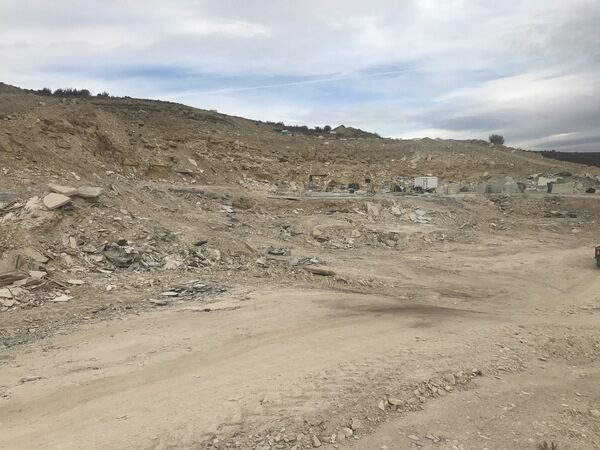
A view of one of the commercial quarries where fossils from the Green River Formation are collected.
50 million years ago, in the Eocene epoch, these fish thrived in Fossil Lake, which was fed by the Uinta and Rocky Mountain highlands. The anoxic conditions at the bottom of Fossil Lake slowed bacterial decomposition, prevented scavengers from disturbing corpses, and, most interestingly, suffocated creatures that ventured into the oxygen-starved aquatic layer. The result is a miraculous exhibition of Eocene biota: a subtropical aquatic community within sycamore forests, teeming with creatures such as freshwater stingrays, dog-sized horses, menacing alligators, early flying bats, and one of the first primates.
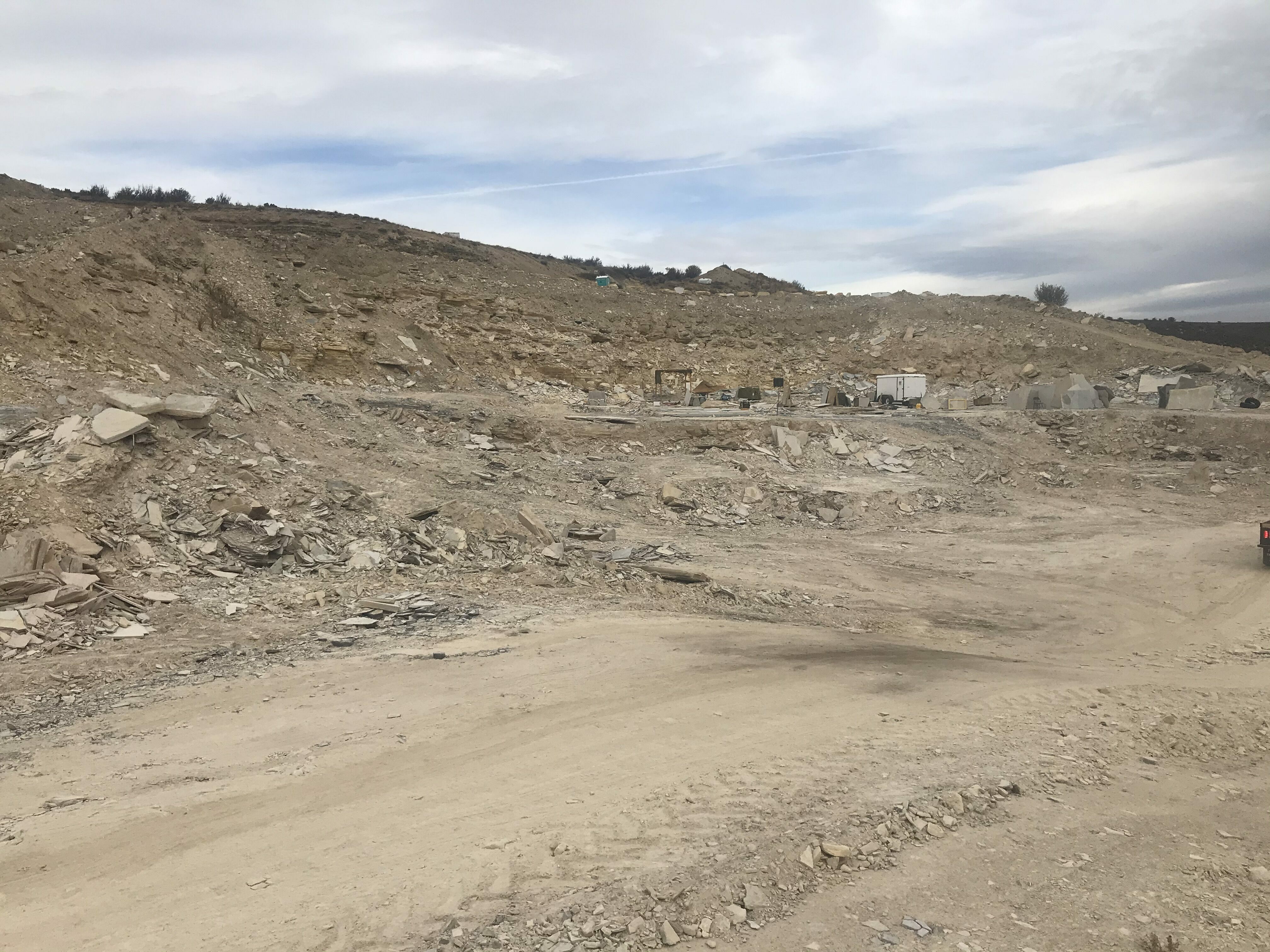
A view of one of the commercial quarries where fossils from the Green River Formation are collected.
SPECIES
Mioplosus labracoides & Knightia eocaena

LOCATION
Clear Creek Quarry, Kemmerer, Wyoming
FORMATION
Green River Formation - Upper Split Fish Layer
SIZE
Mioplosus: 4.9", Rock: 6.45 x 6.15"
CATEGORY
SUB CATEGORY
ITEM
#275198
We guarantee the authenticity of all of our specimens.


