 Reviews


9.8" Fossil Fish (Priscacara Serrata) - Top Quality Specimen


This is a remarkably preserved 9.8" Priscacara serrata from the Eocene-aged Green River Formation. It was collected this past summer from the coveted “bottom cap” of the 18-inch layer at the Clear Creek Quarry near Kemmerer, Wyoming. This horizon is renowned for producing the finest preservation in the quarry, though its dense stone makes extraction and preparation two to three times more labor-intensive.
The fish is beautifully centered on a thick, rectangular-cut slab of natural shale, showcasing its sharp fin rays, serrated dorsal spines, and exceptional detail. A top-tier example of the species, this specimen represents the very best the 18-inch layer has to offer.
The fish is beautifully centered on a thick, rectangular-cut slab of natural shale, showcasing its sharp fin rays, serrated dorsal spines, and exceptional detail. A top-tier example of the species, this specimen represents the very best the 18-inch layer has to offer.
About Priscacara
Priscacara is an extinct genus of temperate bass that lived during the Eocene. It is an uncommon species in the Green River Formation, representing less than 1 percent of total fish fossils. It is a favorite among fossil collectors, particularly those specimens with all of their dorsal spines pointing upwards. It can occasionally reach impressive sizes in excess of 16 inches in length. Priscacara has a large mouth and impressive array of teeth can often be seen in detail on larger, well-preserved specimens.
Priscacara is more frequently found in shoreline lake deposits and less frequently found in rocks deposited in the center of the lake. Its appearance is very similar to that of Cockerellites, a genus of smaller schooling fish found in large numbers in the mid-lake quarries. Cockerellites maxed out in the 5 to 6-inch range, so specimens larger than that are assumed to be Priscacara. Cockerellites have more dorsal and anal fin rays than Priscacara and a significantly smaller mouth.
Priscacara is an extinct genus of temperate bass that lived during the Eocene. It is an uncommon species in the Green River Formation, representing less than 1 percent of total fish fossils. It is a favorite among fossil collectors, particularly those specimens with all of their dorsal spines pointing upwards. It can occasionally reach impressive sizes in excess of 16 inches in length. Priscacara has a large mouth and impressive array of teeth can often be seen in detail on larger, well-preserved specimens.
Priscacara is more frequently found in shoreline lake deposits and less frequently found in rocks deposited in the center of the lake. Its appearance is very similar to that of Cockerellites, a genus of smaller schooling fish found in large numbers in the mid-lake quarries. Cockerellites maxed out in the 5 to 6-inch range, so specimens larger than that are assumed to be Priscacara. Cockerellites have more dorsal and anal fin rays than Priscacara and a significantly smaller mouth.
About Fossil Lake
50 million years ago, in the Eocene epoch, these fish thrived in Fossil Lake, which was fed by the Uinta and Rocky Mountain highlands. The anoxic conditions at the bottom of Fossil Lake slowed bacterial decomposition, prevented scavengers from disturbing corpses, and, most interestingly, suffocated creatures that ventured into the oxygen-starved aquatic layer. The result is a miraculous exhibition of Eocene biota: a subtropical aquatic community within sycamore forests, teeming with creatures such as freshwater stingrays, dog-sized horses, menacing alligators, early flying bats, and one of the first primates.
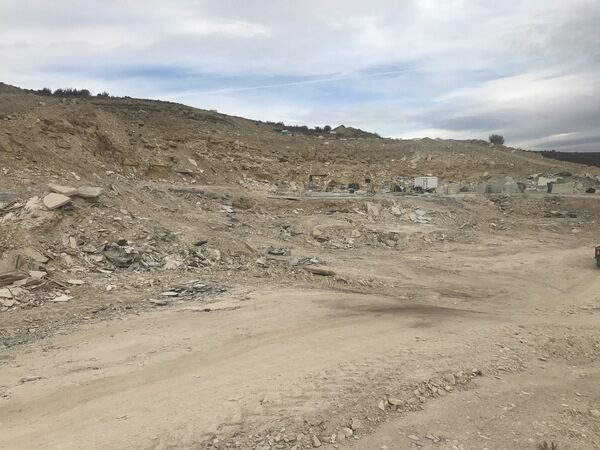
A view of one of the commercial quarries where fossils from the Green River Formation are collected.
50 million years ago, in the Eocene epoch, these fish thrived in Fossil Lake, which was fed by the Uinta and Rocky Mountain highlands. The anoxic conditions at the bottom of Fossil Lake slowed bacterial decomposition, prevented scavengers from disturbing corpses, and, most interestingly, suffocated creatures that ventured into the oxygen-starved aquatic layer. The result is a miraculous exhibition of Eocene biota: a subtropical aquatic community within sycamore forests, teeming with creatures such as freshwater stingrays, dog-sized horses, menacing alligators, early flying bats, and one of the first primates.
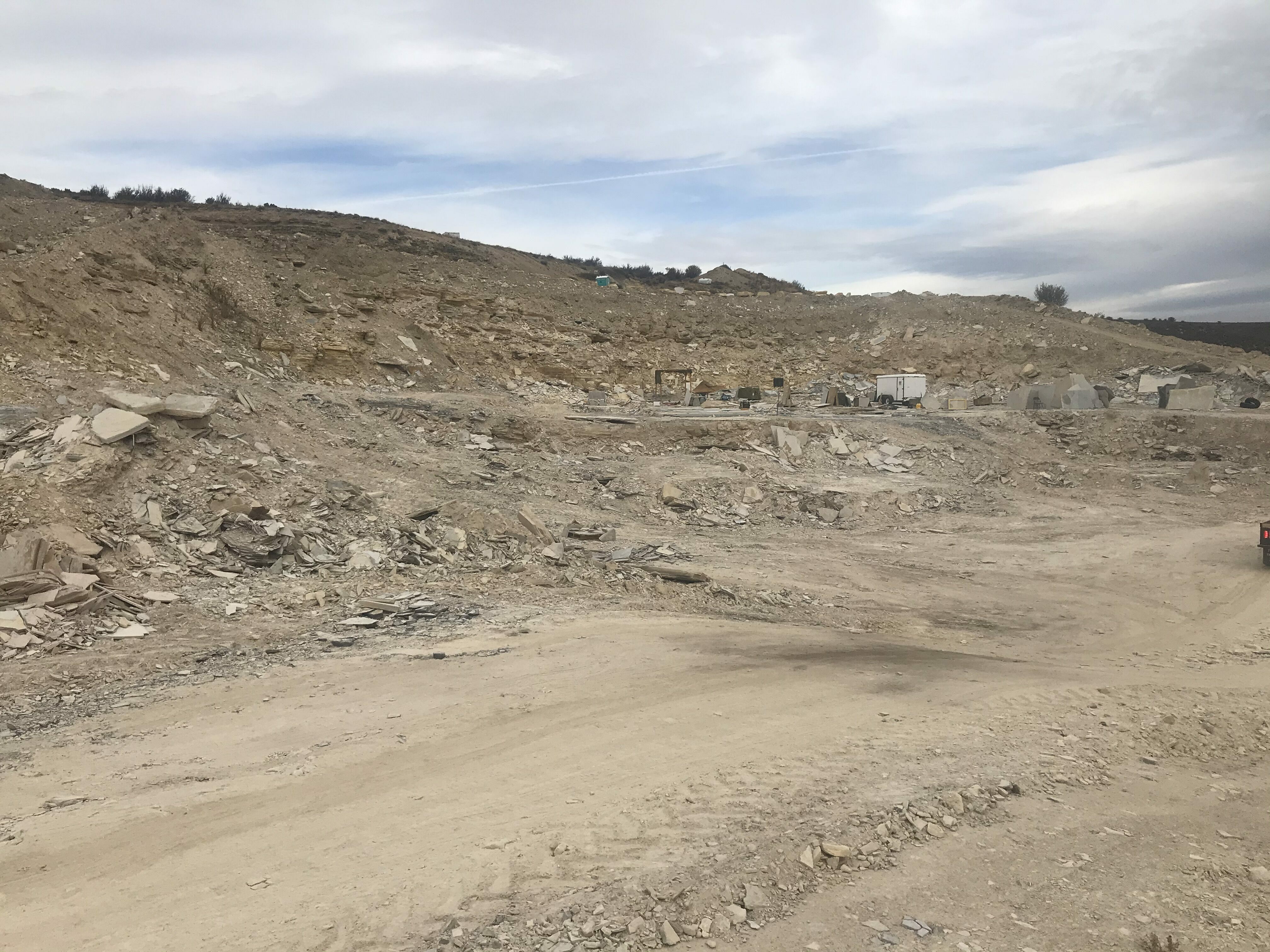
A view of one of the commercial quarries where fossils from the Green River Formation are collected.
$1,350
SPECIES
Priscacara serrata

LOCATION
Clear Creek Quarry, Kemmerer, Wyoming
FORMATION
Green River Formation - 18 Inch Layer (Bottom Cap)
SIZE
9.8" long on 13.25 x 10.7 x 1.5" rock, 17.6 lbs
CATEGORY
SUB CATEGORY
ITEM
#349247
We guarantee the authenticity of all of our specimens.


