Reviews


This Specimen has been sold.


2.2" Fossil Crocodylomorph Vertebra - Montana
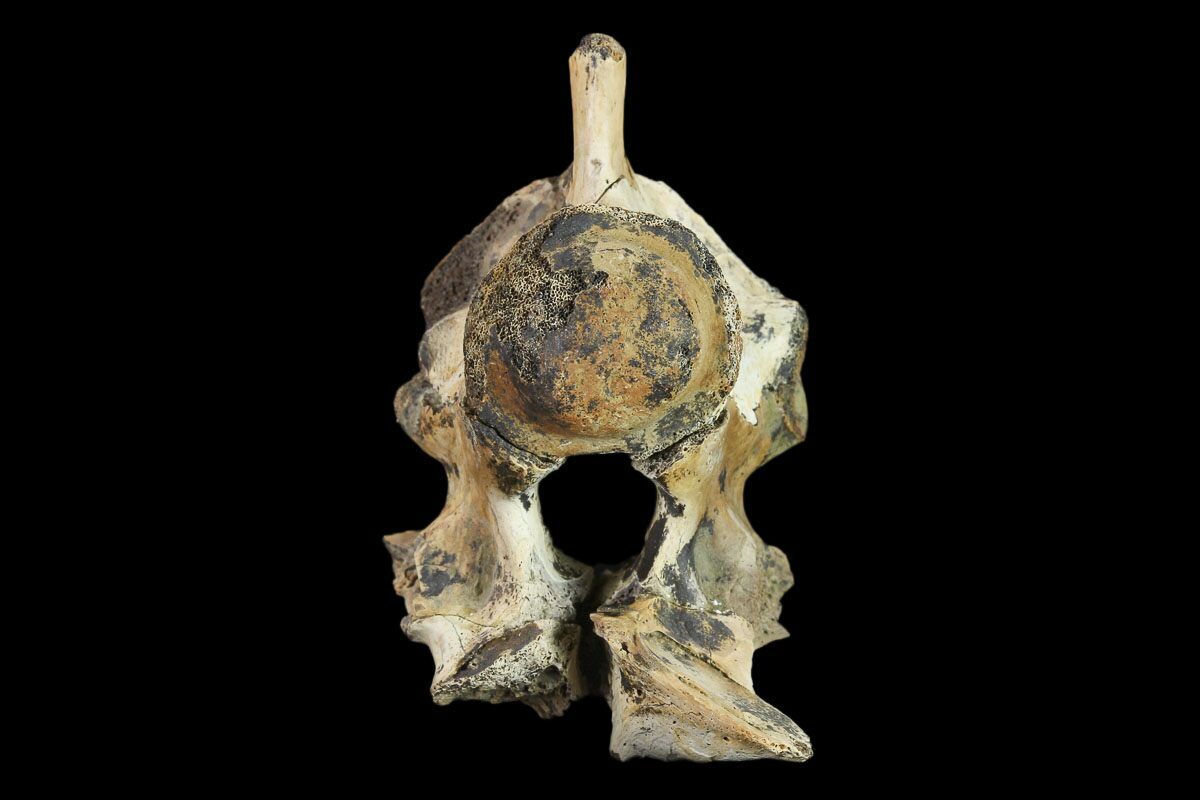
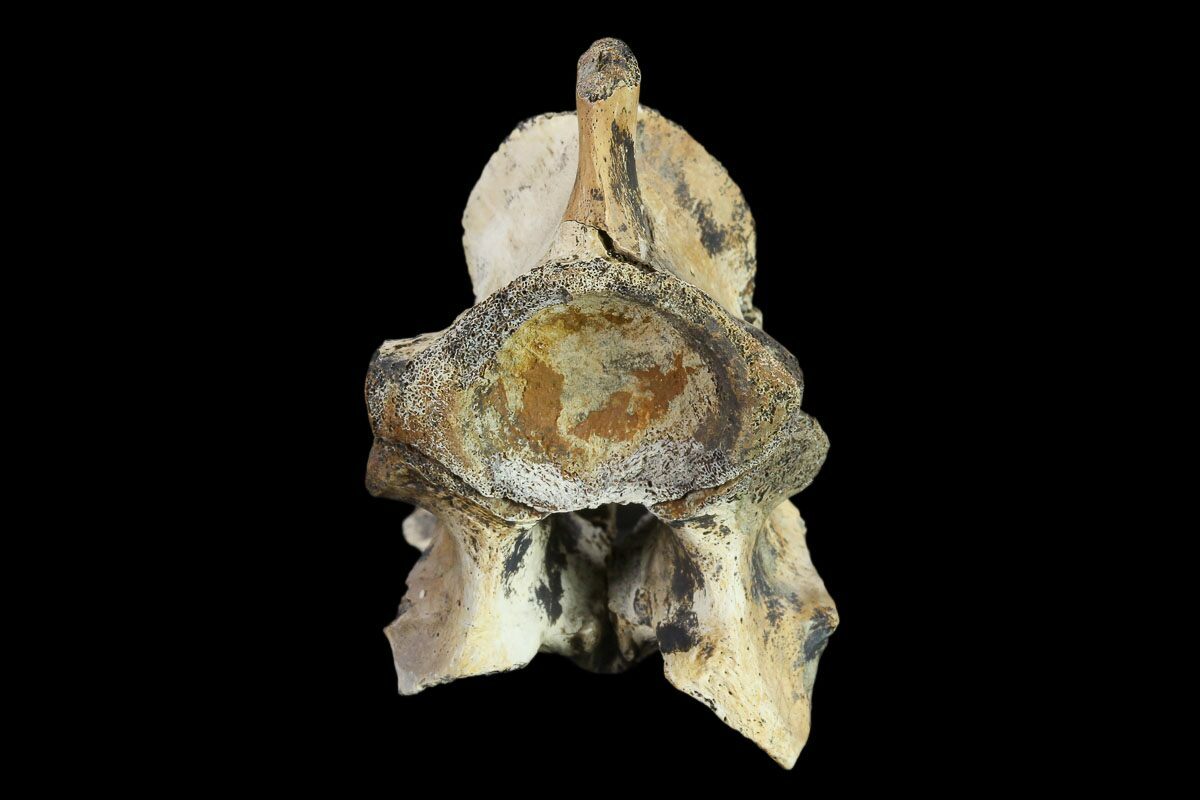
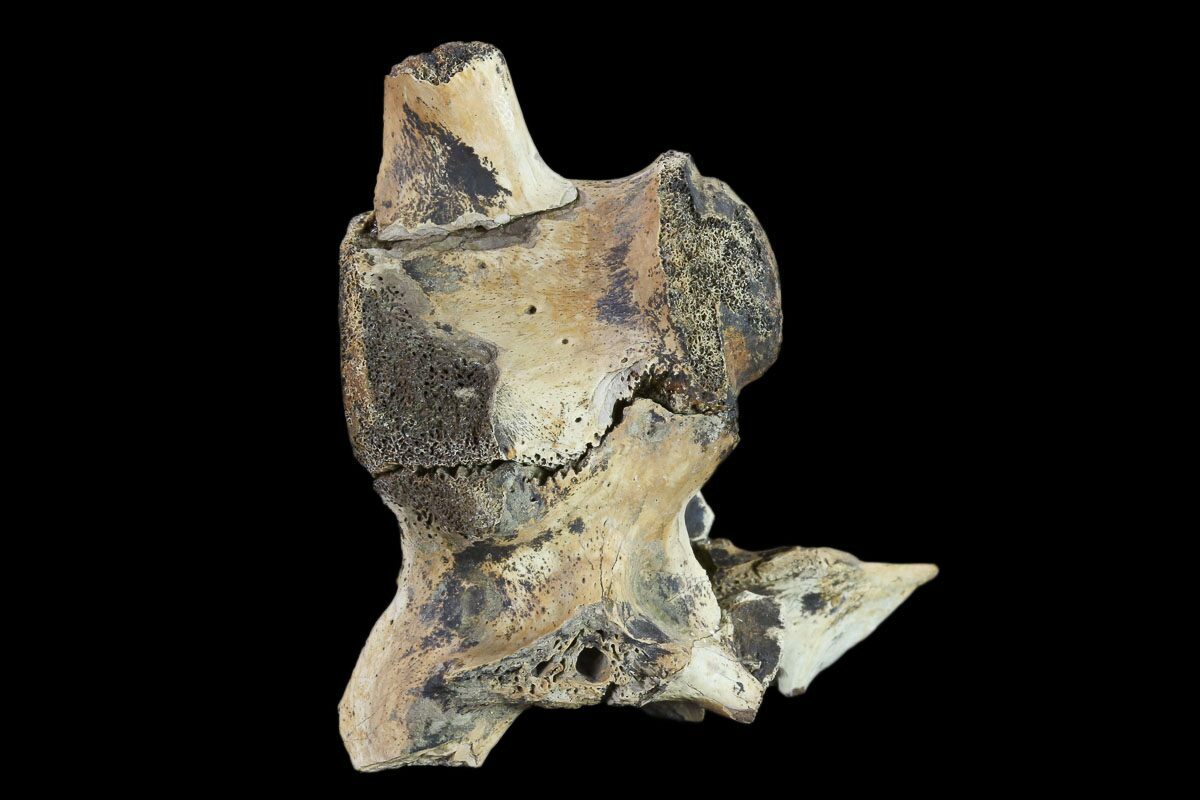
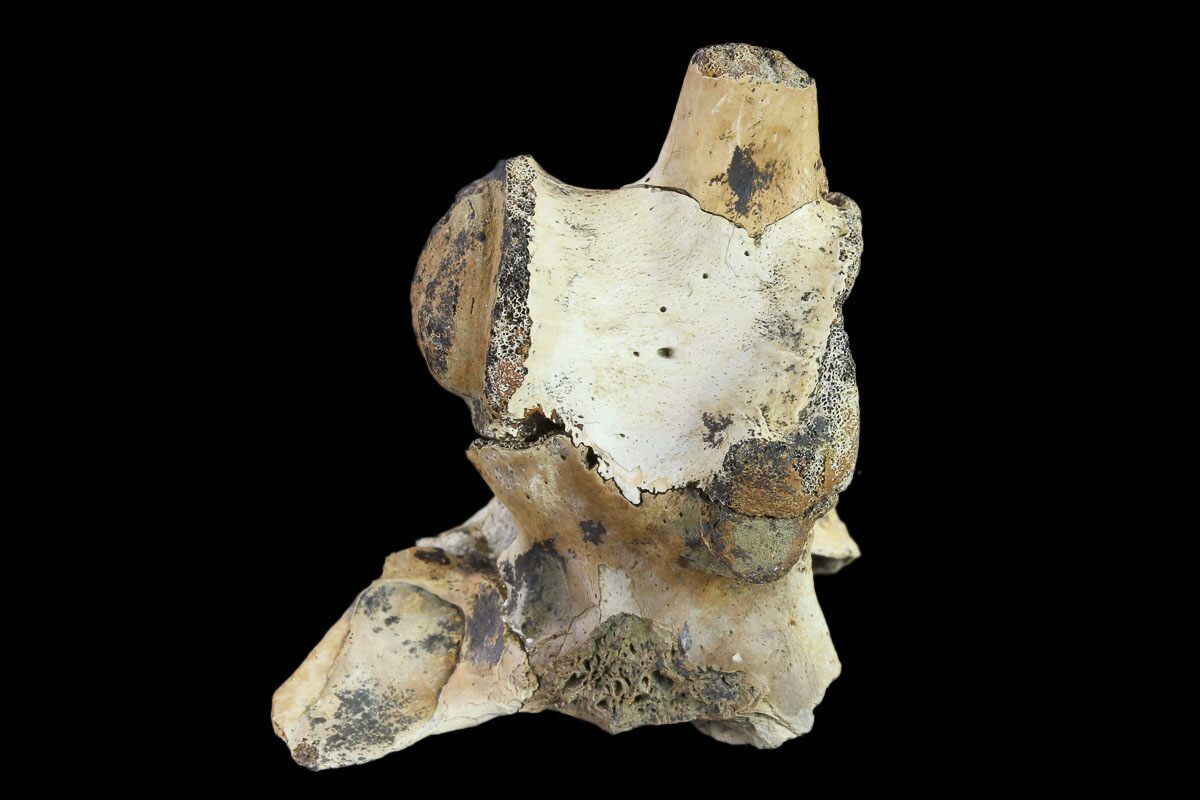
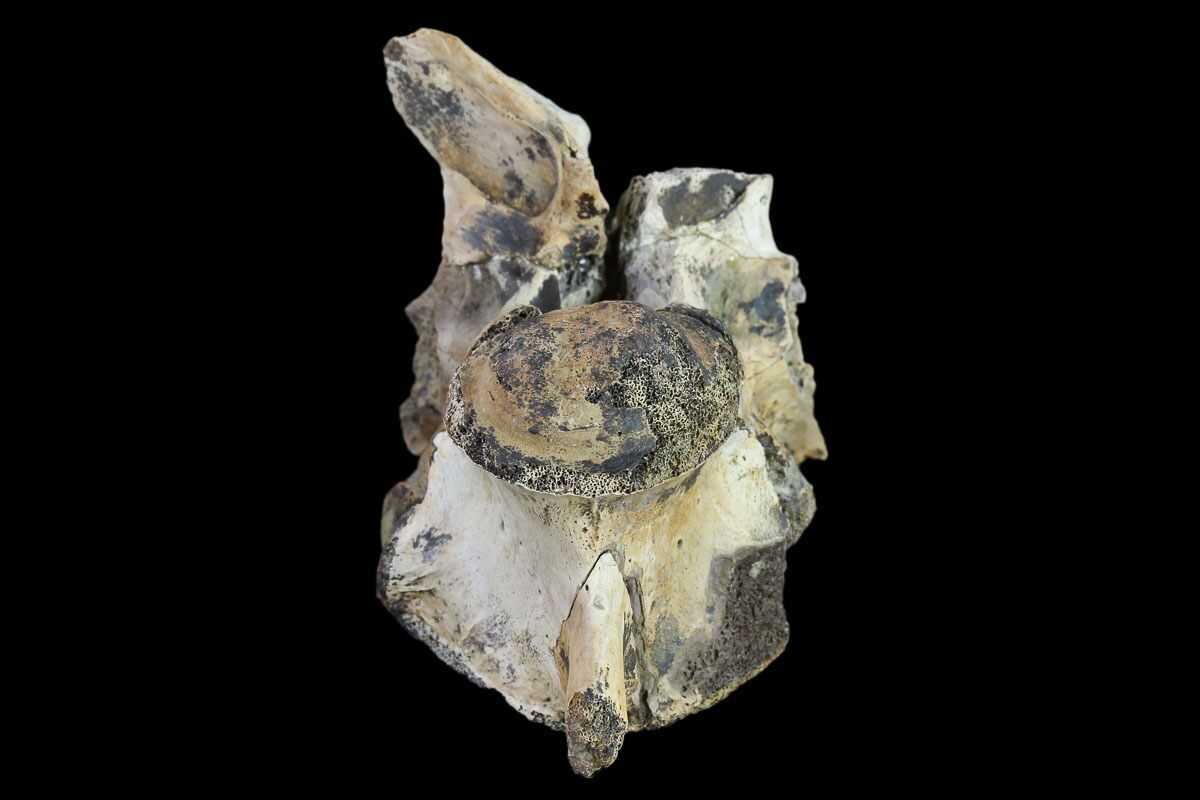
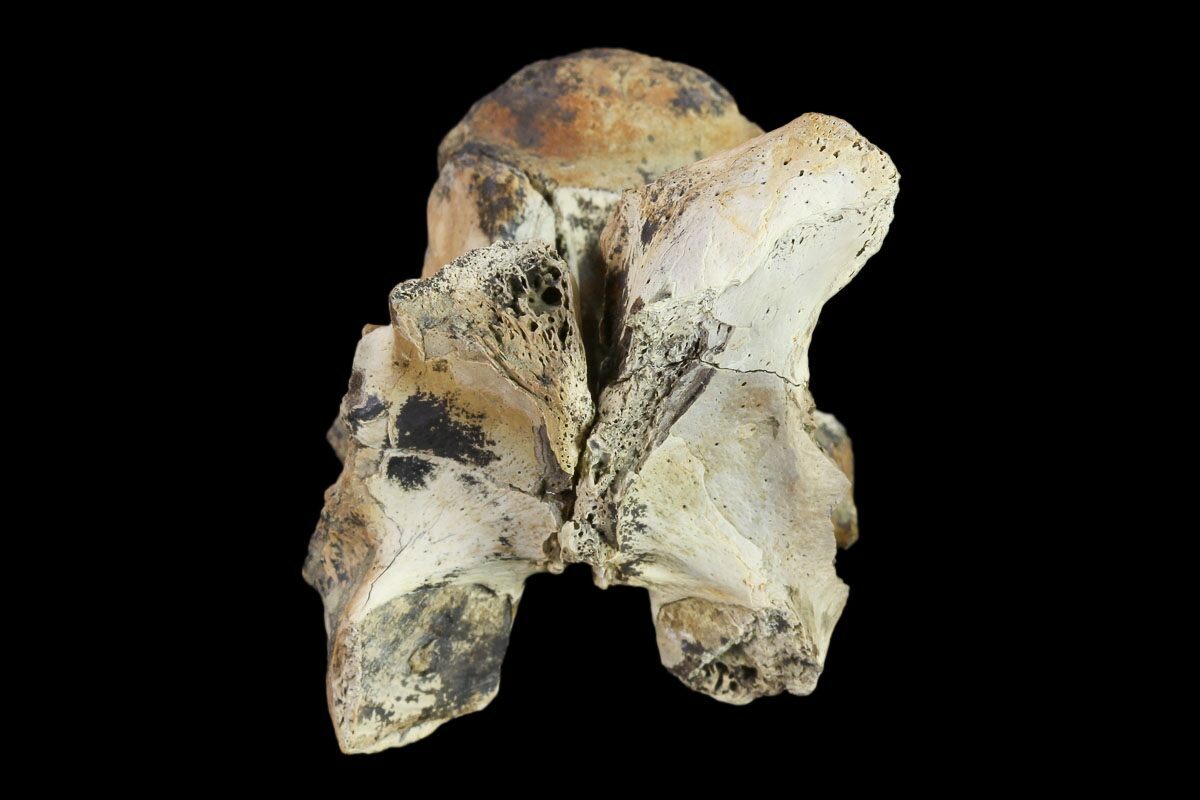
This is a beautifully preserved crocodylomorph vertebra that was collected from the Hell Creek Formation near Dawson County, Montana. There are some repaired cracks that were required to piece this vertebra back together, however there is no restoration. There are three different crocodilian genus' that have been discovered in Montana within the Hell Creek Formation, making it difficult to assign these vertebrae to a specific genus.
The Hell Creek Formation
Renowned for both its age and rich sedimentary layers, the Hell Creek Formation is one of the most intensively studied fossil-bearing regions on Earth. To date, scientists have documented 158 genera of animals and 64 genera of plants from its rocks, with new finds emerging regularly. Beyond iconic dinosaurs such as tyrannosaurs, ceratopsians, and hadrosaurs, the formation has produced an extraordinary array of life, including amphibians, reptiles, lizards, snakes, turtles, fish, sharks, birds, and early mammals. Together, these fossils provide the most complete picture of the ecosystems that thrived just before the Cretaceous–Paleogene extinction event.
Renowned for both its age and rich sedimentary layers, the Hell Creek Formation is one of the most intensively studied fossil-bearing regions on Earth. To date, scientists have documented 158 genera of animals and 64 genera of plants from its rocks, with new finds emerging regularly. Beyond iconic dinosaurs such as tyrannosaurs, ceratopsians, and hadrosaurs, the formation has produced an extraordinary array of life, including amphibians, reptiles, lizards, snakes, turtles, fish, sharks, birds, and early mammals. Together, these fossils provide the most complete picture of the ecosystems that thrived just before the Cretaceous–Paleogene extinction event.
SPECIES
Unidentified Crocodylomorph

LOCATION
Dawson County, Montana
FORMATION
Hell Creek Formation
SIZE
2.2 x 1.4"
CATEGORY
SUB CATEGORY
ITEM
#134813
We guarantee the authenticity of all of our specimens.