 Reviews


This Specimen has been sold.


5.8" Ordovician, Fossil Graptolite (Araneograptus) Plate - Morocco
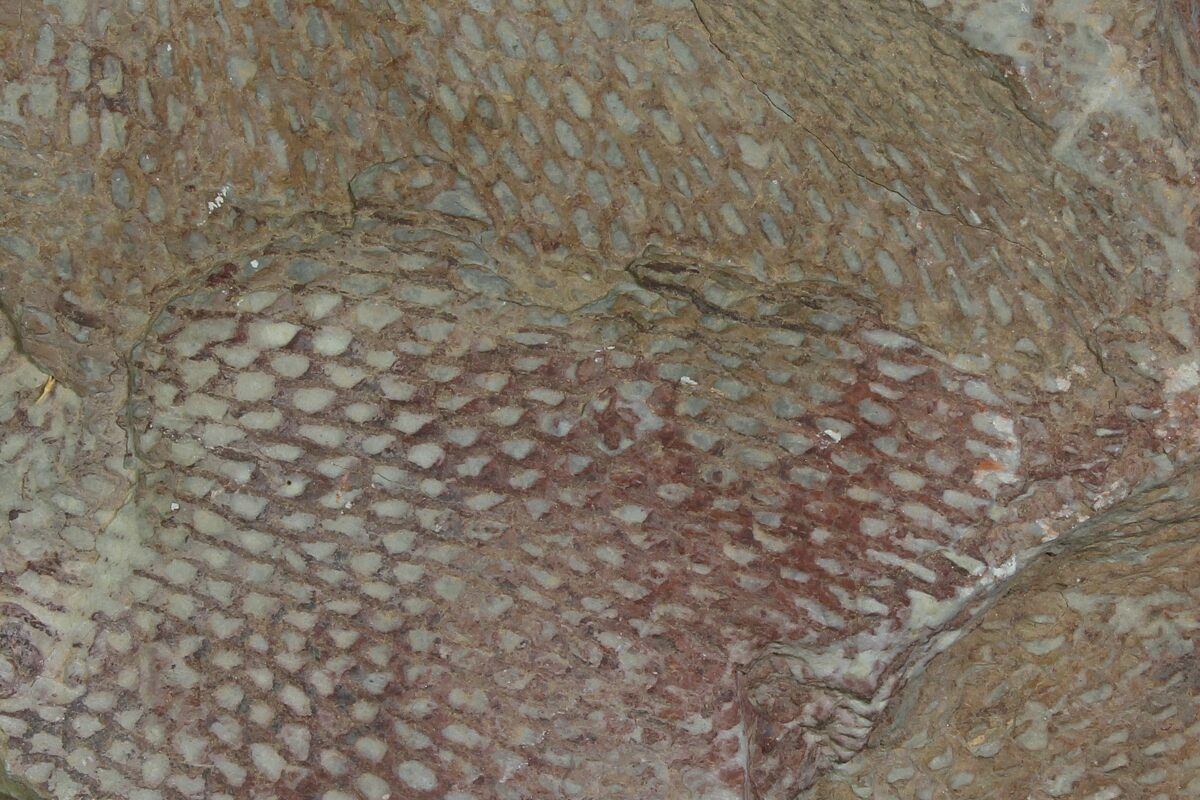
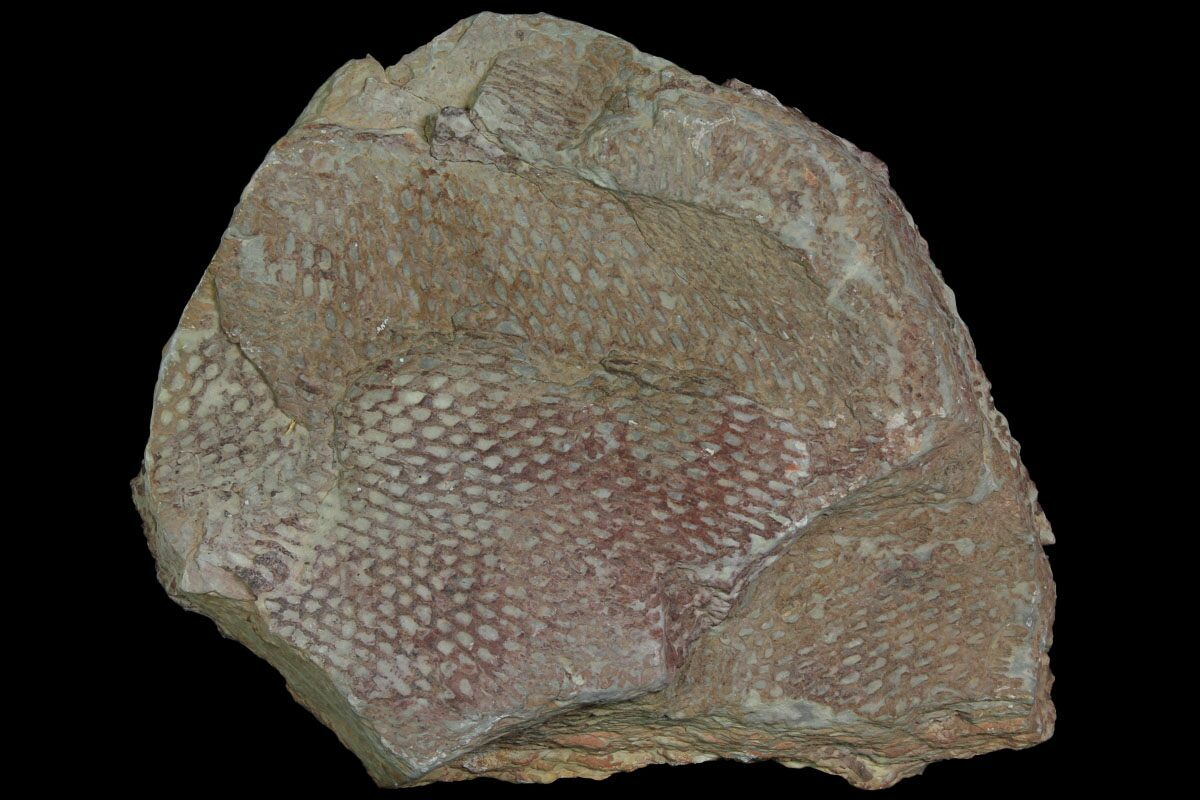
This is a 5.8" wide plate of graptolite (Araneograptus murrayi) fossils from the Lower Ordovician, Fezouata Shale of Southern Morocco. It comes with an acrylic display stand.
More information on this formation can be found at: The Lower Ordovician Fezouata Konservat-Lagerstätte from Morocco: Age, environment and evolutionary perspectives
More information on this formation can be found at: The Lower Ordovician Fezouata Konservat-Lagerstätte from Morocco: Age, environment and evolutionary perspectives
About Graptolites
Graptolites are an extinct group of colonial, marine animals that thrived from the Cambrian through the Carboniferous period, reaching their peak diversity in the Ordovician. These ancient organisms are most commonly found as carbonized impressions on shale or slate, often appearing as fine, saw-blade or scribble-like markings on the rock surface.
Each graptolite colony, known as a rhabdosome, was composed of numerous tiny zooids housed in tubular structures called thecae. They are believed to have floated in the ocean, attached to planktonic structures or freely drifting with currents. Graptolite fossils are particularly important to geologists and paleontologists because they evolved rapidly and had a wide global distribution, making them excellent index fossils for dating Paleozoic rock layers. Notable graptolite-bearing formations include the Utica Shale in North America and the Welsh Black Shales in the UK.
Graptolites are an extinct group of colonial, marine animals that thrived from the Cambrian through the Carboniferous period, reaching their peak diversity in the Ordovician. These ancient organisms are most commonly found as carbonized impressions on shale or slate, often appearing as fine, saw-blade or scribble-like markings on the rock surface.
Each graptolite colony, known as a rhabdosome, was composed of numerous tiny zooids housed in tubular structures called thecae. They are believed to have floated in the ocean, attached to planktonic structures or freely drifting with currents. Graptolite fossils are particularly important to geologists and paleontologists because they evolved rapidly and had a wide global distribution, making them excellent index fossils for dating Paleozoic rock layers. Notable graptolite-bearing formations include the Utica Shale in North America and the Welsh Black Shales in the UK.
SPECIES
Araneograptus murrayi

LOCATION
Zagora area, Morocco
FORMATION
Fezouata Shale
SIZE
5.8 x 4.6"
CATEGORY
ITEM
#116746
We guarantee the authenticity of all of our specimens.