Reviews


Exceptionally Large, 35.5" Fossil Stingray - Wyoming


An exceptional and exceedingly rare fossil stingray from the Eocene Green River Formation of Wyoming, measuring an extraordinary 35.5 inches in total length.
Stingrays are among the more coveted vertebrate fossils from the Green River Formation, but specimens of this scale are in a category of their own. Over decades of commercial quarrying, only a very small handful of comparably giant rays are known to have been recovered, all reportedly originating from a single, highly localized layer within the quarry.
The scarcity of these oversized individuals cannot be overstated. To the best of our knowledge, no comparable specimen has appeared on the market in well over a decade, and another example of this magnitude may not become available for many years.
These remarkable giant rays are also of considerable scientific interest. It has been suggested that they may represent a distinct, yet undescribed species, though they exhibit affinities with the smaller "fat-tail" stingray, Asterotrygon.
The specimen measures 35.5 inches long and has been carefully inlaid into a substantial 49.6 x 35.8 inch slab of limestone sourced from the same fossil-bearing layer, creating a commanding and museum-scale presentation. A portion of the right side of the disc was originally disarticulated and has been professionally restored, with additional areas of repair and gap-fill restoration present elsewhere on the specimen.
The limestone has been reinforced with a backing and fitted with a wall-hanging system for display.
A fossil of remarkable scale, rarity, and visual presence, this specimen represents an opportunity of a caliber seldom encountered in the Green River fossil market. For the advanced collector, institution, or connoisseur of exceptional vertebrate fossils, it is a genuinely significant offering.
Stingrays are among the more coveted vertebrate fossils from the Green River Formation, but specimens of this scale are in a category of their own. Over decades of commercial quarrying, only a very small handful of comparably giant rays are known to have been recovered, all reportedly originating from a single, highly localized layer within the quarry.
The scarcity of these oversized individuals cannot be overstated. To the best of our knowledge, no comparable specimen has appeared on the market in well over a decade, and another example of this magnitude may not become available for many years.
These remarkable giant rays are also of considerable scientific interest. It has been suggested that they may represent a distinct, yet undescribed species, though they exhibit affinities with the smaller "fat-tail" stingray, Asterotrygon.
The specimen measures 35.5 inches long and has been carefully inlaid into a substantial 49.6 x 35.8 inch slab of limestone sourced from the same fossil-bearing layer, creating a commanding and museum-scale presentation. A portion of the right side of the disc was originally disarticulated and has been professionally restored, with additional areas of repair and gap-fill restoration present elsewhere on the specimen.
The limestone has been reinforced with a backing and fitted with a wall-hanging system for display.
A fossil of remarkable scale, rarity, and visual presence, this specimen represents an opportunity of a caliber seldom encountered in the Green River fossil market. For the advanced collector, institution, or connoisseur of exceptional vertebrate fossils, it is a genuinely significant offering.
Note: Because of its size and weight, this piece will ship via freight on a pallet or in a crate. Our website can’t automatically calculate freight charges, so shipping costs will be determined and billed after purchase. If you’d like a quote beforehand, please contact us prior to ordering.
About Fossil Lake
50 million years ago, in the Eocene epoch, these fish thrived in Fossil Lake, which was fed by the Uinta and Rocky Mountain highlands. The anoxic conditions at the bottom of Fossil Lake slowed bacterial decomposition, prevented scavengers from disturbing corpses, and, most interestingly, suffocated creatures that ventured into the oxygen-starved aquatic layer. The result is a miraculous exhibition of Eocene biota: a subtropical aquatic community within sycamore forests, teeming with creatures such as freshwater stingrays, dog-sized horses, menacing alligators, early flying bats, and one of the first primates.
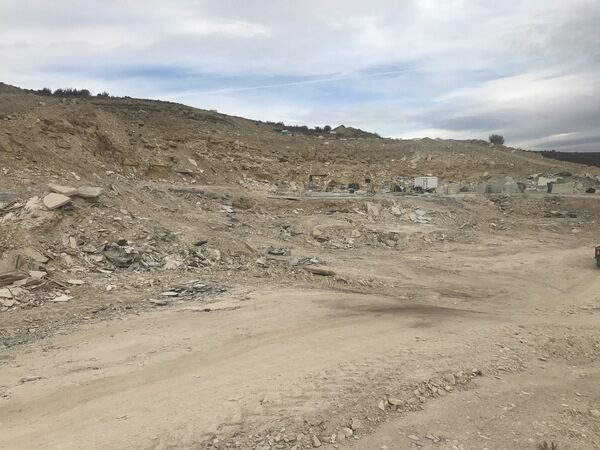
A view of one of the commercial quarries where fossils from the Green River Formation are collected.
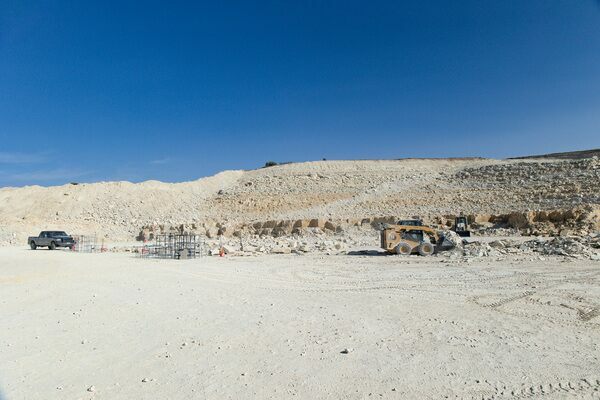
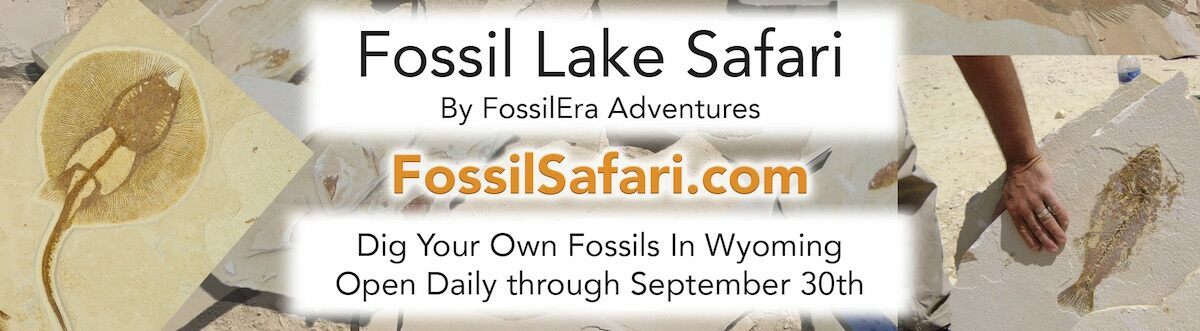
Our Fossil Lake Safari Quarry just outside Kemmerer, Wyoming.
50 million years ago, in the Eocene epoch, these fish thrived in Fossil Lake, which was fed by the Uinta and Rocky Mountain highlands. The anoxic conditions at the bottom of Fossil Lake slowed bacterial decomposition, prevented scavengers from disturbing corpses, and, most interestingly, suffocated creatures that ventured into the oxygen-starved aquatic layer. The result is a miraculous exhibition of Eocene biota: a subtropical aquatic community within sycamore forests, teeming with creatures such as freshwater stingrays, dog-sized horses, menacing alligators, early flying bats, and one of the first primates.
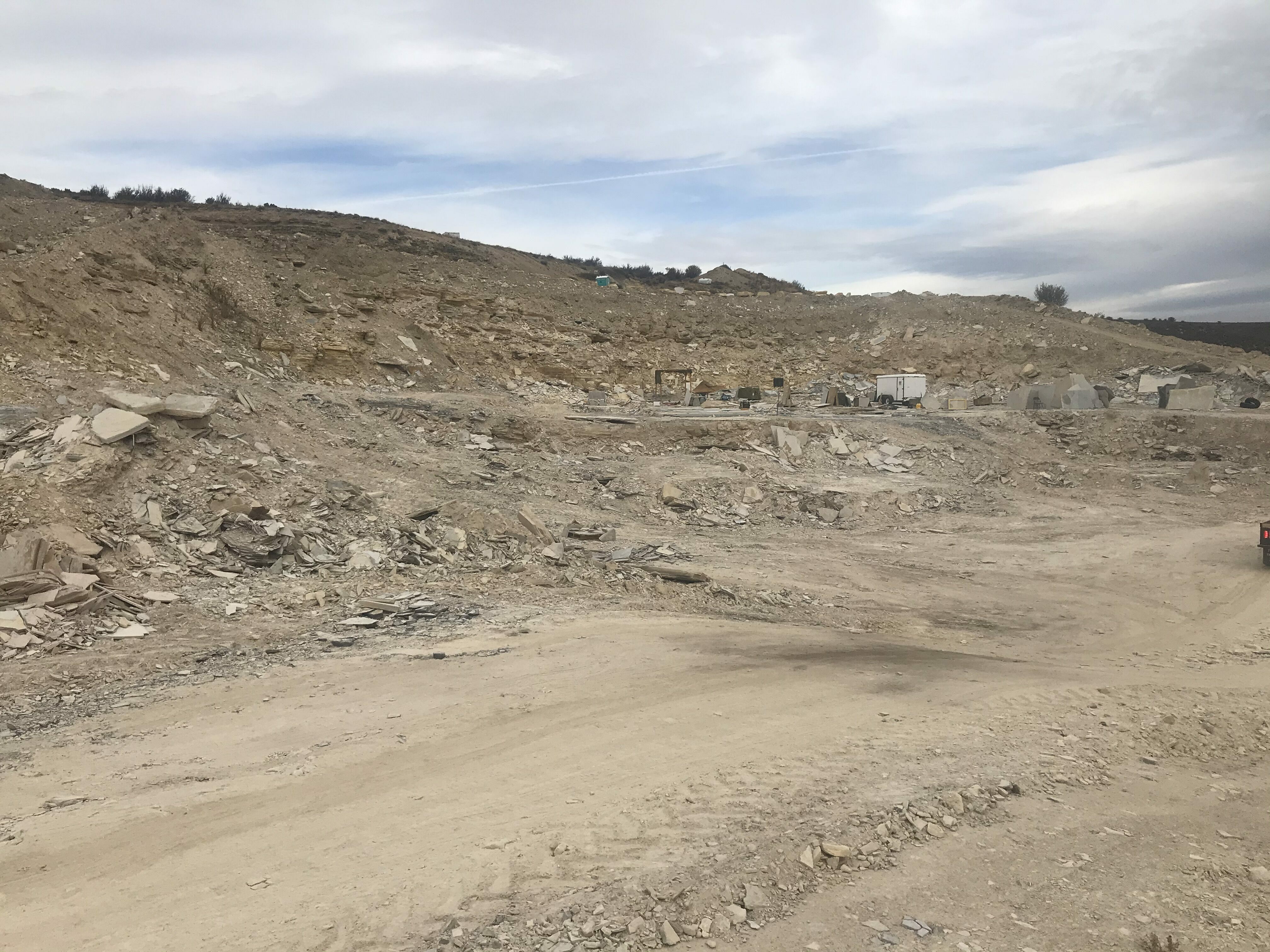
A view of one of the commercial quarries where fossils from the Green River Formation are collected.
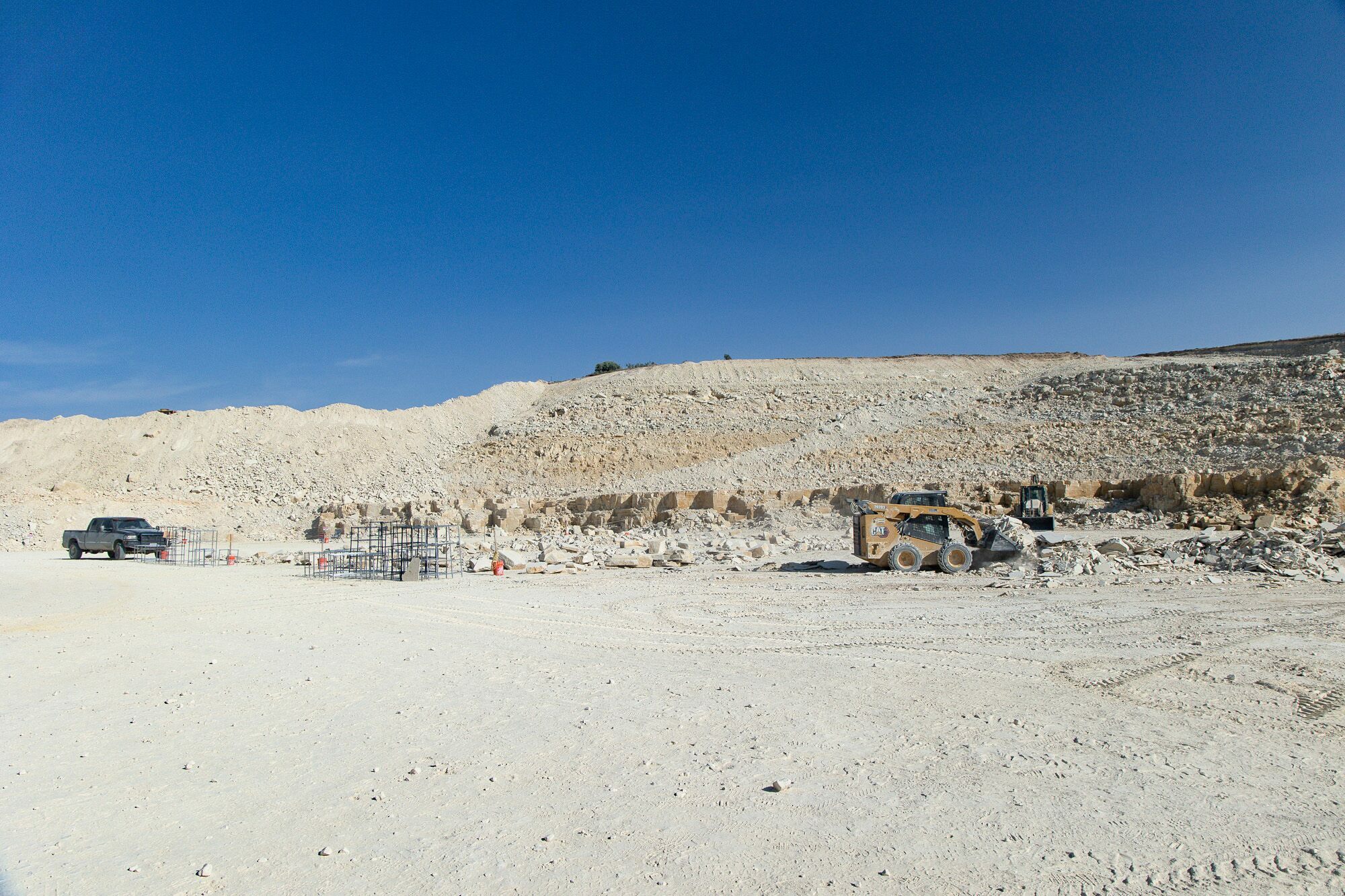
Our Fossil Lake Safari Quarry just outside Kemmerer, Wyoming.
$35,000
SPECIES
Possibly Undescribed

LOCATION
Fossil Safari Quarry, Kemmerer, Wyoming
FORMATION
Green River Formation
SIZE
35.5" long (if outstretched) on 49.6 x 35.8" rock
CATEGORY
SUB CATEGORY
ITEM
#368994
We guarantee the authenticity of all of our specimens.