 Reviews


This Specimen has been sold.


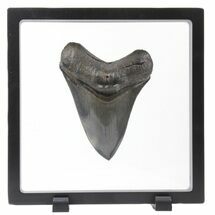
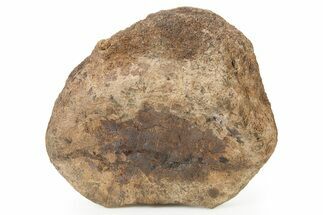
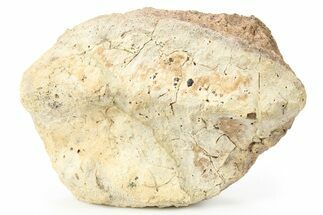
Unworn Triceratops Tooth - .84"


This is a nice, large and relatively unworn Triceratops tooth from the Hell Creek Formation. The vast majority of triceratops teeth found are worn teeth that have been discarded during the dinosaurs lifetime. This tooth is relatively unworn so it's unlikely to be a tooth which was discarded.
About Triceratops
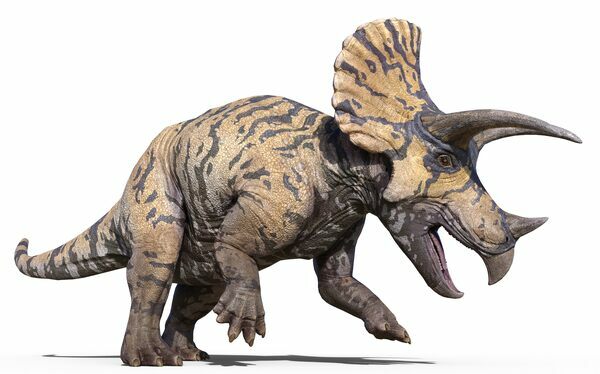
Triceratops was one of the most iconic North American dinosaurs, living during the Late Cretaceous around 68–66 million years ago. With its enormous frilled skull and three horns, it was an impressive sight and may have used its headgear for display as much as for defense against predators like Tyrannosaurus rex. Adults could grow up to 9 meters (29.5 feet) long, stand about 3 meters (9.8 feet) tall, and weigh as much as 26,000 pounds. Its sturdy build and powerful horns made it a formidable herbivore capable of standing its ground against large predators.
Triceratops had highly specialized teeth arranged in groups called dental batteries, with dozens of tooth columns lining each side of its jaws. Each column contained several stacked teeth that were constantly replaced, giving it hundreds of teeth over its lifetime. This unique system allowed Triceratops to efficiently chew tough, fibrous plants such as ferns, cycads, and palms. Triceratops was designated as the state fossil of South Dakota in 1988.
Triceratops was one of the most iconic North American dinosaurs, living during the Late Cretaceous around 68–66 million years ago. With its enormous frilled skull and three horns, it was an impressive sight and may have used its headgear for display as much as for defense against predators like Tyrannosaurus rex. Adults could grow up to 9 meters (29.5 feet) long, stand about 3 meters (9.8 feet) tall, and weigh as much as 26,000 pounds. Its sturdy build and powerful horns made it a formidable herbivore capable of standing its ground against large predators.
Triceratops had highly specialized teeth arranged in groups called dental batteries, with dozens of tooth columns lining each side of its jaws. Each column contained several stacked teeth that were constantly replaced, giving it hundreds of teeth over its lifetime. This unique system allowed Triceratops to efficiently chew tough, fibrous plants such as ferns, cycads, and palms. Triceratops was designated as the state fossil of South Dakota in 1988.
SPECIES
Triceratops horridus

LOCATION
Butte County, South Dakota
FORMATION
Hell Creek Formation
SIZE
0.84"
CATEGORY
SUB CATEGORY
ITEM
#4004
We guarantee the authenticity of all of our specimens.