 Reviews

This Specimen has been sold.


4.5" Calcite, Galena, Fluorite & Celestine (Celestite) Association - Tennessee
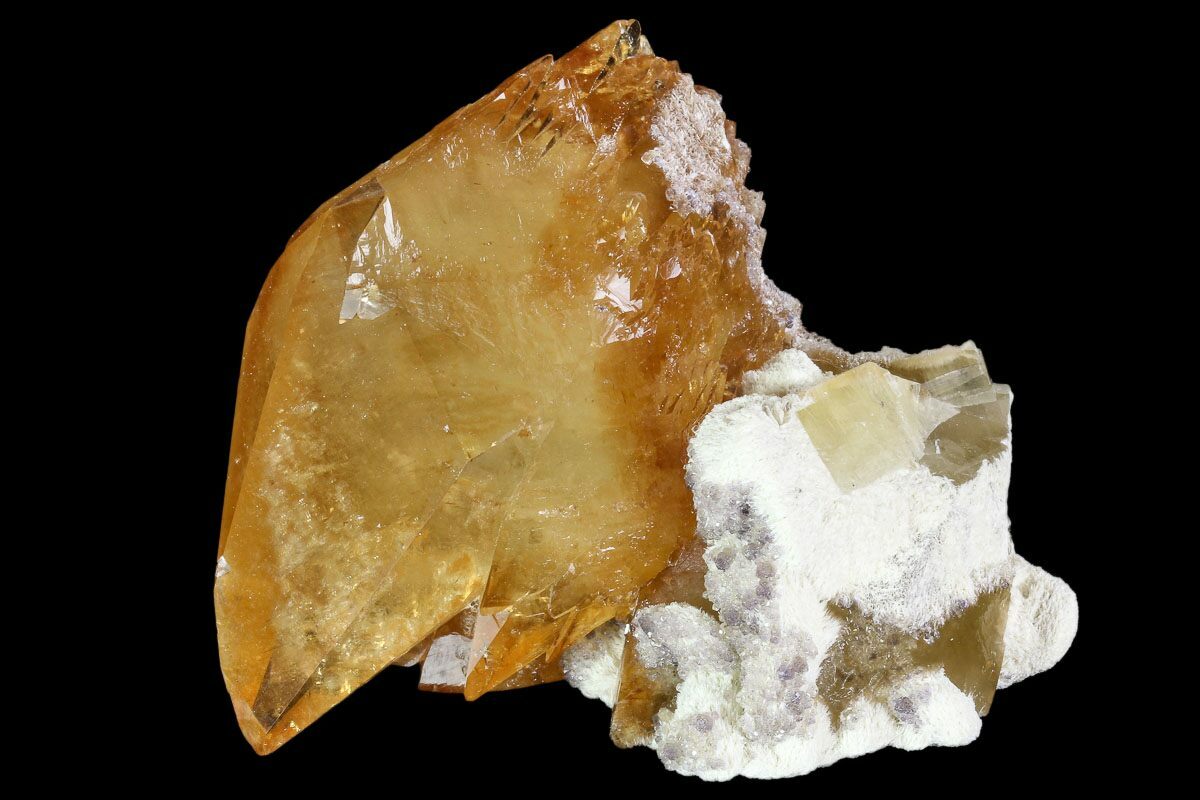
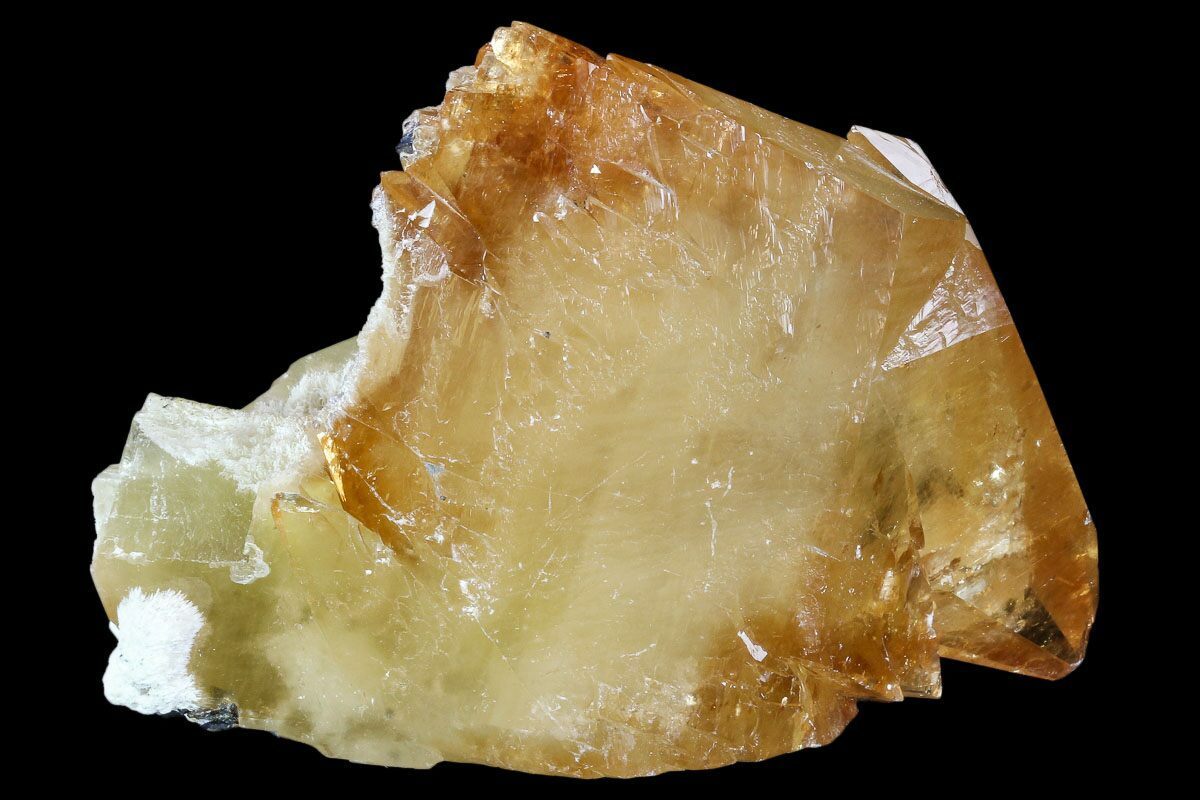
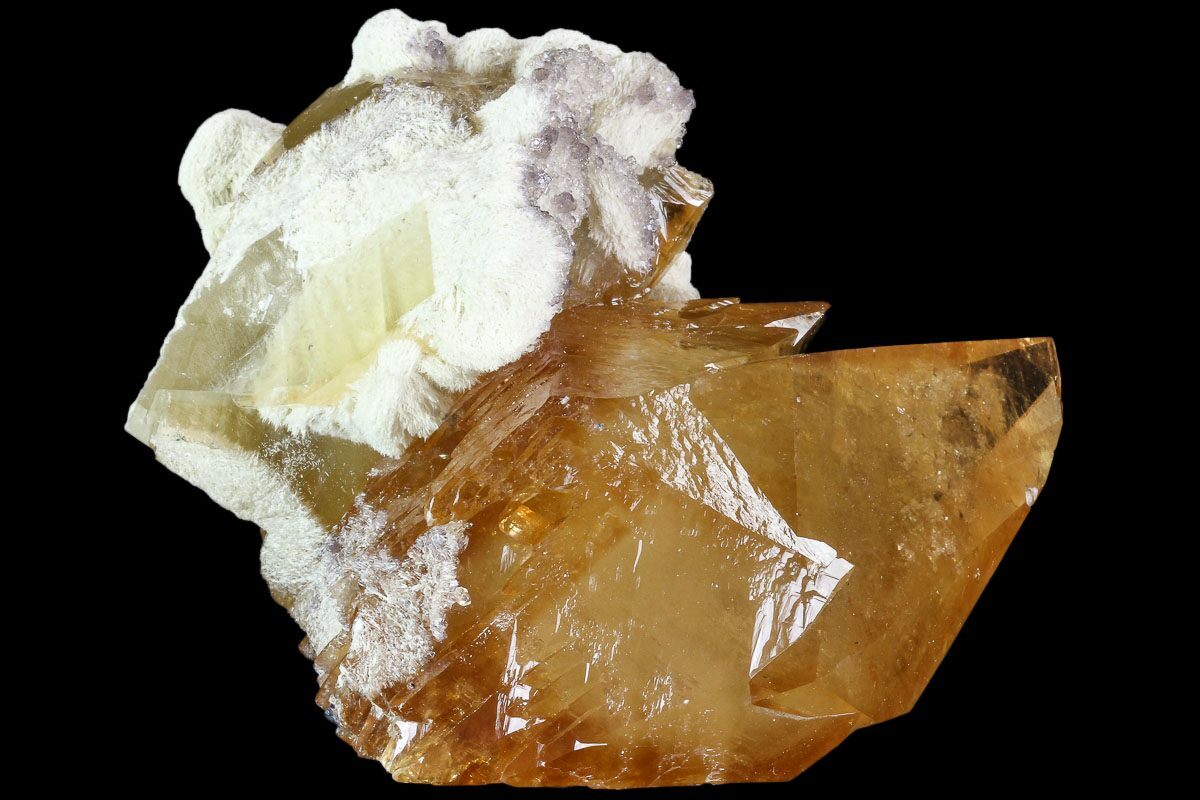

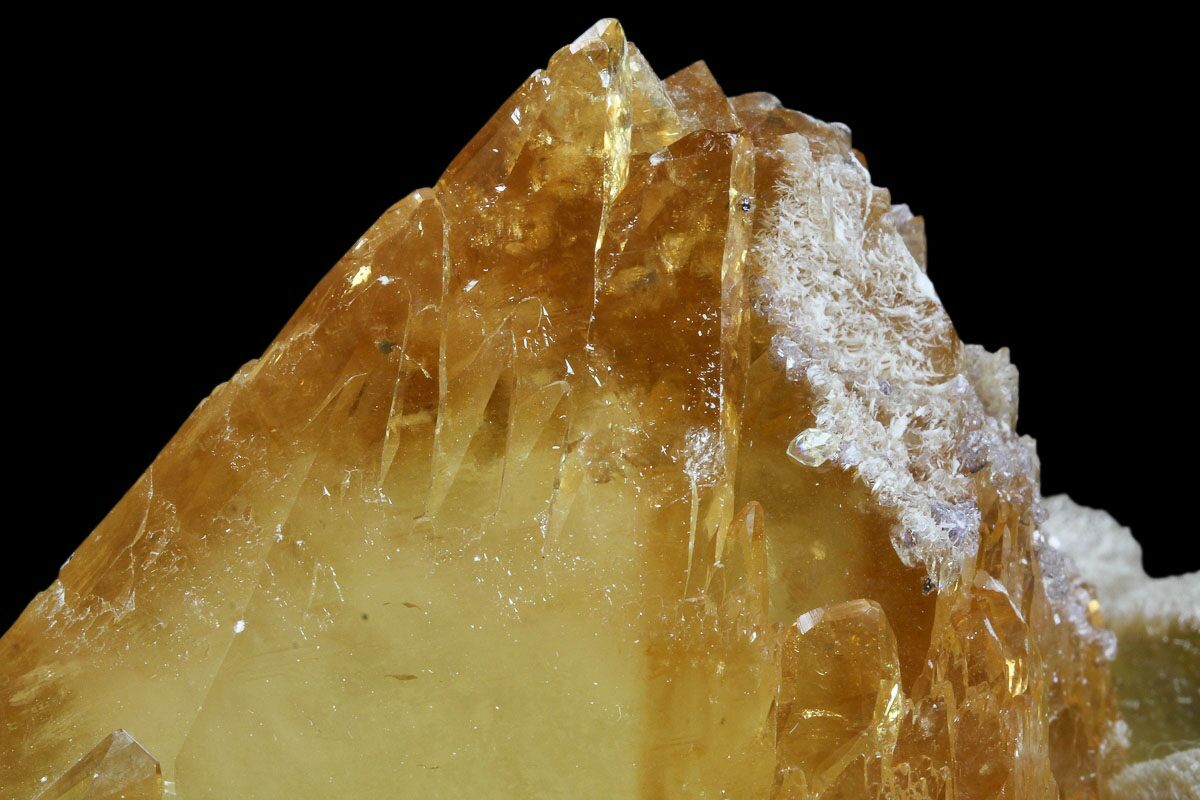
This is a fantastic specimen that contains an association of twinned calcite, fluorite, galena & celestine, collected from the famous Elmwood mine in Tennessee. The small amounts of fluorite on this specimen are indicated by spots of purple. The celestine formation is fibrous and white, and seemingly holds the specimen together like a glue. On what could be considered bottom of the specimen, there are multiple galena cubes.
Comes with a display stand to assist with preferred presentation.
Comes with a display stand to assist with preferred presentation.
The Elmwood Mine
The Elmwood Mine in central Tennessee is one of the world’s premier localities for fluorite, barite, and sphalerite, producing specimens renowned for their size, color, and exceptional crystal quality. Forming within Mississippi Valley–Type (MVT) deposits, Elmwood fluorite is famous for its rich grape-purple cubes—often water-clear and stepped—with barite perched elegantly on top in creamy clusters or golden blades. The mine’s sphalerite is equally celebrated, yielding lustrous, gemmy crystals ranging from fiery orange to deep red-black. Together, these species make Elmwood one of the most iconic and collectible mineral localities on the planet, known for generating museum-grade combinations unmatched in aesthetics and mineralogical significance.
Commercial mining at Elmwood began in the late 1960s, when the site was developed as part of the larger Central Tennessee zinc district. For decades, the mine operated primarily as a major source of high-grade zinc ore for industrial use, with fluorite, barite, and collector-quality sphalerite crystals forming as spectacular but incidental byproducts of the ore-extraction process. Periodic closures and reopenings—driven by fluctuating zinc prices and ownership changes—have made fine Elmwood specimens increasingly coveted over time. Although the mine’s primary purpose was always zinc production, its unexpected yield of world-class mineral specimens has cemented Elmwood’s place as one of the most important and beloved mineral localities in North America.
The Elmwood Mine in central Tennessee is one of the world’s premier localities for fluorite, barite, and sphalerite, producing specimens renowned for their size, color, and exceptional crystal quality. Forming within Mississippi Valley–Type (MVT) deposits, Elmwood fluorite is famous for its rich grape-purple cubes—often water-clear and stepped—with barite perched elegantly on top in creamy clusters or golden blades. The mine’s sphalerite is equally celebrated, yielding lustrous, gemmy crystals ranging from fiery orange to deep red-black. Together, these species make Elmwood one of the most iconic and collectible mineral localities on the planet, known for generating museum-grade combinations unmatched in aesthetics and mineralogical significance.
Commercial mining at Elmwood began in the late 1960s, when the site was developed as part of the larger Central Tennessee zinc district. For decades, the mine operated primarily as a major source of high-grade zinc ore for industrial use, with fluorite, barite, and collector-quality sphalerite crystals forming as spectacular but incidental byproducts of the ore-extraction process. Periodic closures and reopenings—driven by fluctuating zinc prices and ownership changes—have made fine Elmwood specimens increasingly coveted over time. Although the mine’s primary purpose was always zinc production, its unexpected yield of world-class mineral specimens has cemented Elmwood’s place as one of the most important and beloved mineral localities in North America.
About Fluorite
Fluorite is a halide mineral comprised of calcium and fluorine, CaF2. The word fluorite is from the Latin fluo-, which means "to flow". In 1852 fluorite gave its name to the phenomenon known as fluorescence, or the property of fluorite to glow a different color depending upon the bandwidth of the ultraviolet light it is exposed to. Fluorite occurs commonly in cubic, octahedral, and dodecahedral crystals in many different colors. These colors range from colorless and completely transparent to yellow, green, blue, purple, pink, or black. Purples and greens tend to be the most common colors seen, and colorless, pink, and black are the rarest.
Fluorite is a halide mineral comprised of calcium and fluorine, CaF2. The word fluorite is from the Latin fluo-, which means "to flow". In 1852 fluorite gave its name to the phenomenon known as fluorescence, or the property of fluorite to glow a different color depending upon the bandwidth of the ultraviolet light it is exposed to. Fluorite occurs commonly in cubic, octahedral, and dodecahedral crystals in many different colors. These colors range from colorless and completely transparent to yellow, green, blue, purple, pink, or black. Purples and greens tend to be the most common colors seen, and colorless, pink, and black are the rarest.
About Galena
Galena is a lead-based mineral and the primary ore of lead, and has been used for its lead content for thousands of years. Galena typically displays a gray metallic luster and forms cubes or octahedral crystals. The chemical composition of galena is PbS.
While galena will not pose a health hazard by sitting on the shelf or even from casual handling, we suggest washing hands following handling due to the mineral's lead content.
Galena is a lead-based mineral and the primary ore of lead, and has been used for its lead content for thousands of years. Galena typically displays a gray metallic luster and forms cubes or octahedral crystals. The chemical composition of galena is PbS.
While galena will not pose a health hazard by sitting on the shelf or even from casual handling, we suggest washing hands following handling due to the mineral's lead content.
About Calcite Crystals
Calcite crystals are a form of calcium carbonate (CaCO₃) known for their diverse shapes, transparency, and vibrant range of colors. They typically form in rhombohedral, scalenohedral, or prismatic shapes, often with well-defined, sharp edges and glossy surfaces. Calcite crystals are often translucent or transparent, sometimes displaying a double refraction effect where objects viewed through the crystal appear doubled. They can appear in various colors—white, clear, yellow, pink, blue, green, and orange—depending on impurities or trace minerals.
A notable characteristic of calcite is its reaction with weak acids like vinegar, which causes it to effervesce, or fizz, as it releases carbon dioxide. This property makes calcite crystals a key tool in geological identification and studies. Calcite forms in many environments, from sedimentary rocks like limestone and marble to hydrothermal veins.
Calcite crystals are a form of calcium carbonate (CaCO₃) known for their diverse shapes, transparency, and vibrant range of colors. They typically form in rhombohedral, scalenohedral, or prismatic shapes, often with well-defined, sharp edges and glossy surfaces. Calcite crystals are often translucent or transparent, sometimes displaying a double refraction effect where objects viewed through the crystal appear doubled. They can appear in various colors—white, clear, yellow, pink, blue, green, and orange—depending on impurities or trace minerals.
A notable characteristic of calcite is its reaction with weak acids like vinegar, which causes it to effervesce, or fizz, as it releases carbon dioxide. This property makes calcite crystals a key tool in geological identification and studies. Calcite forms in many environments, from sedimentary rocks like limestone and marble to hydrothermal veins.
SPECIES
Calcite, Fluorite, Galena & Celestine
LOCATION
Elmwood Mine, Carthage, Tennessee
SIZE
4.5 x 4.3" entire specimen. Largest calcite 4.3" long
CATEGORY
SUB CATEGORY
ITEM
#103941


