 Reviews


This Specimen has been sold.


Double Spiny Walliserops Trilobite Specimen - Timrzit, Morocco
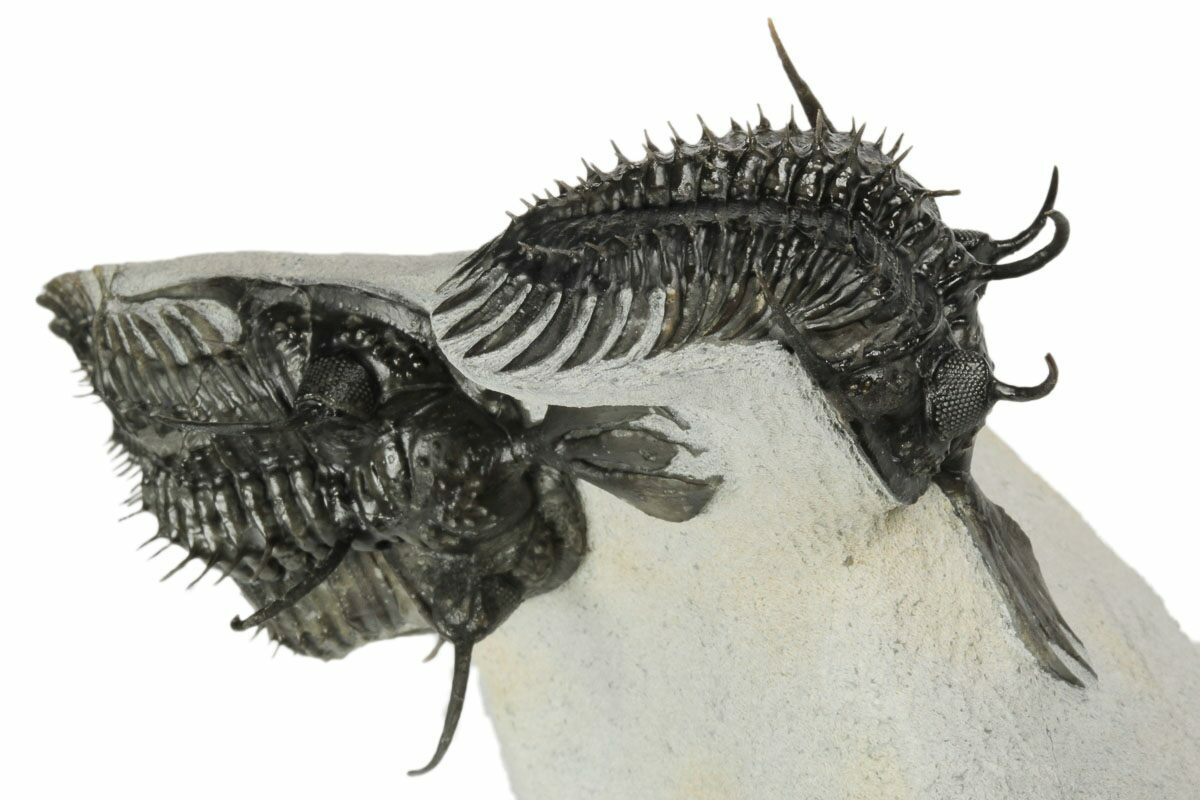
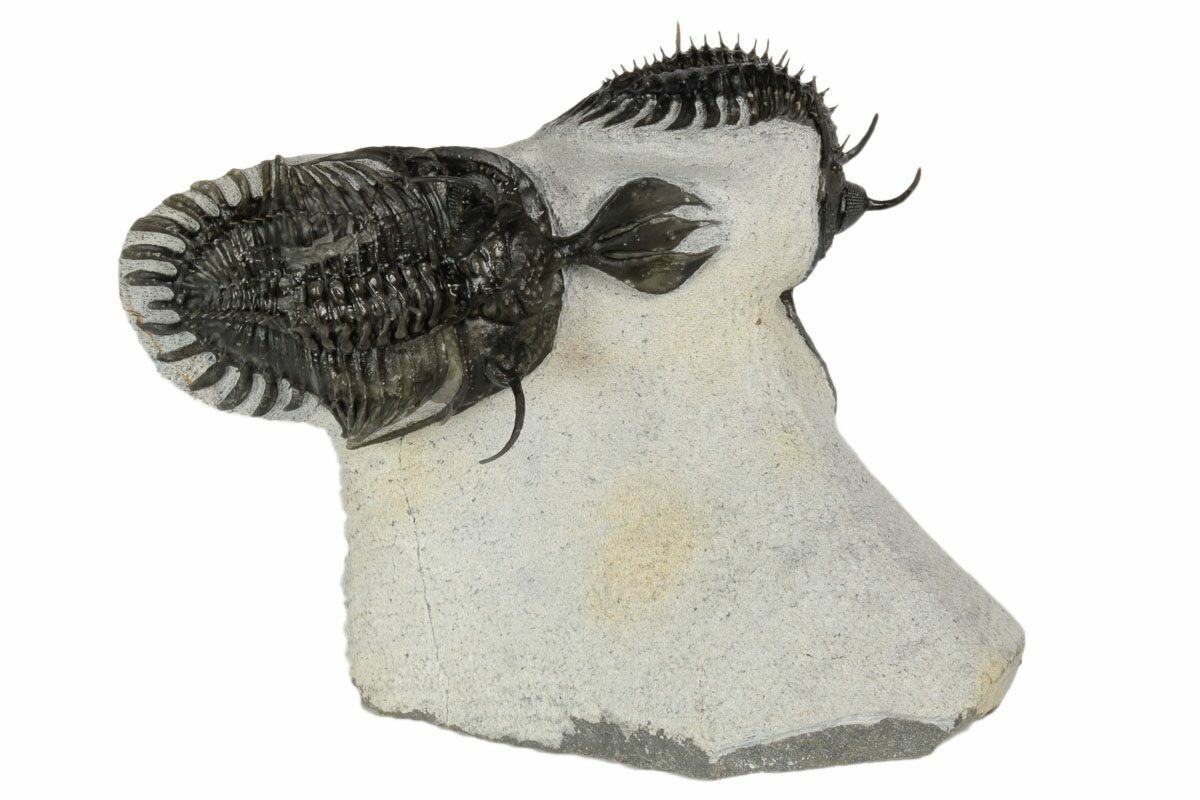
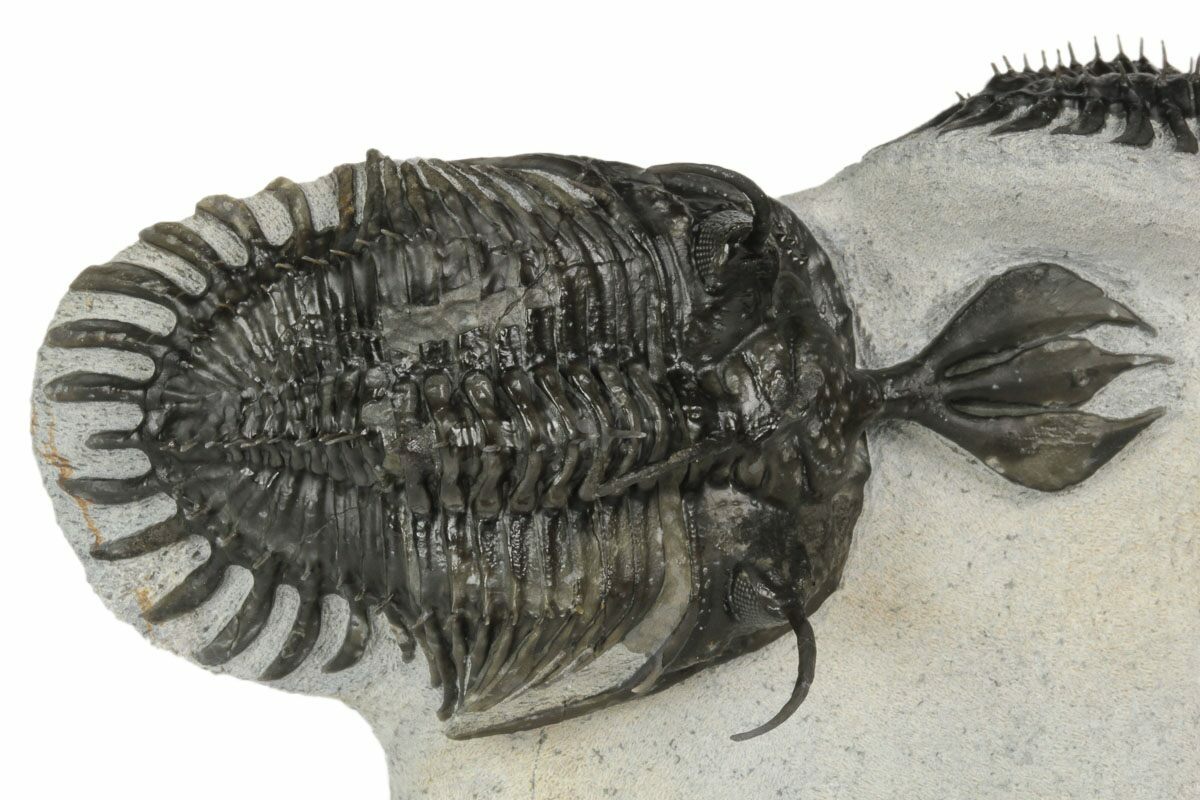
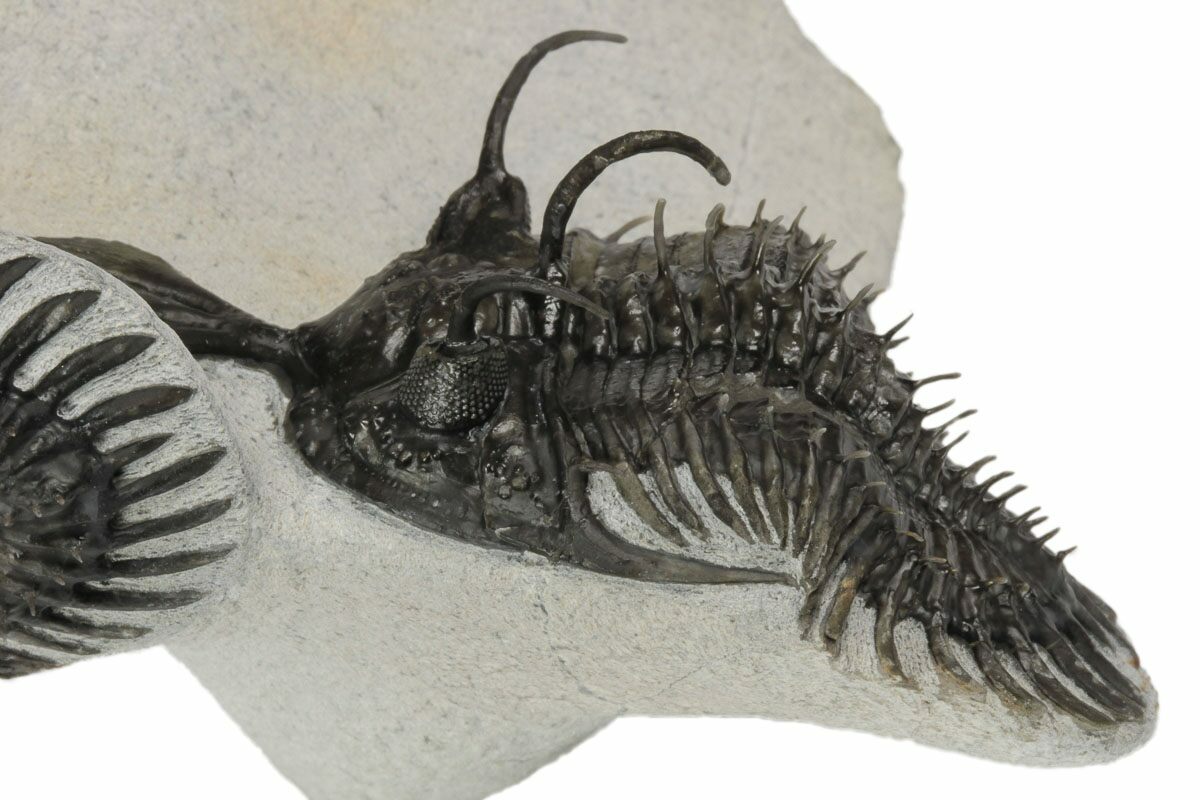
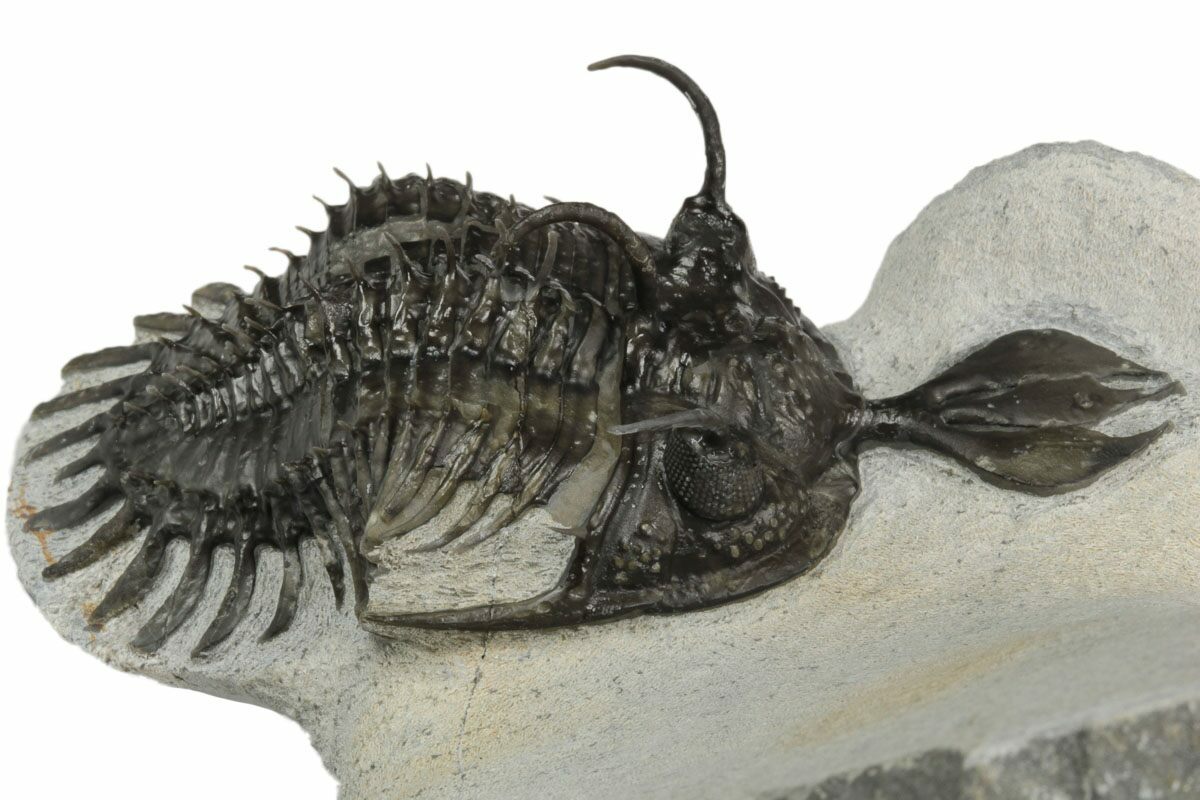
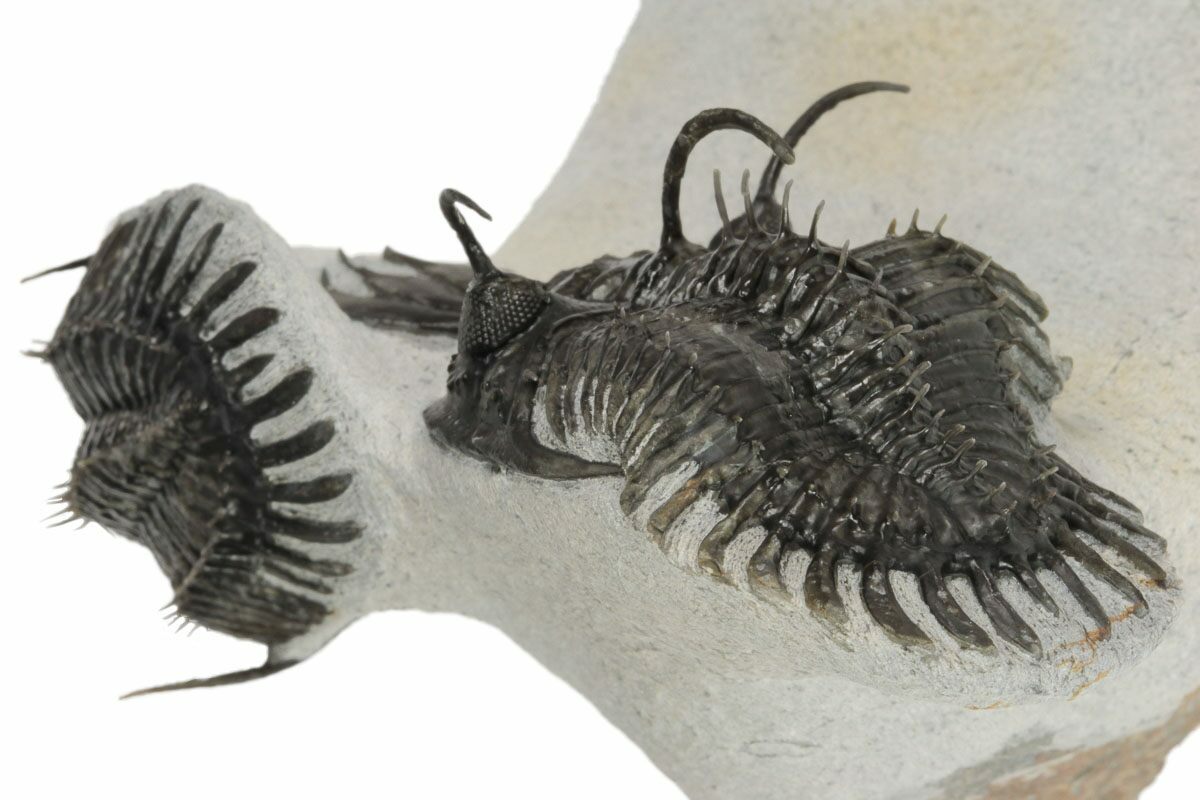
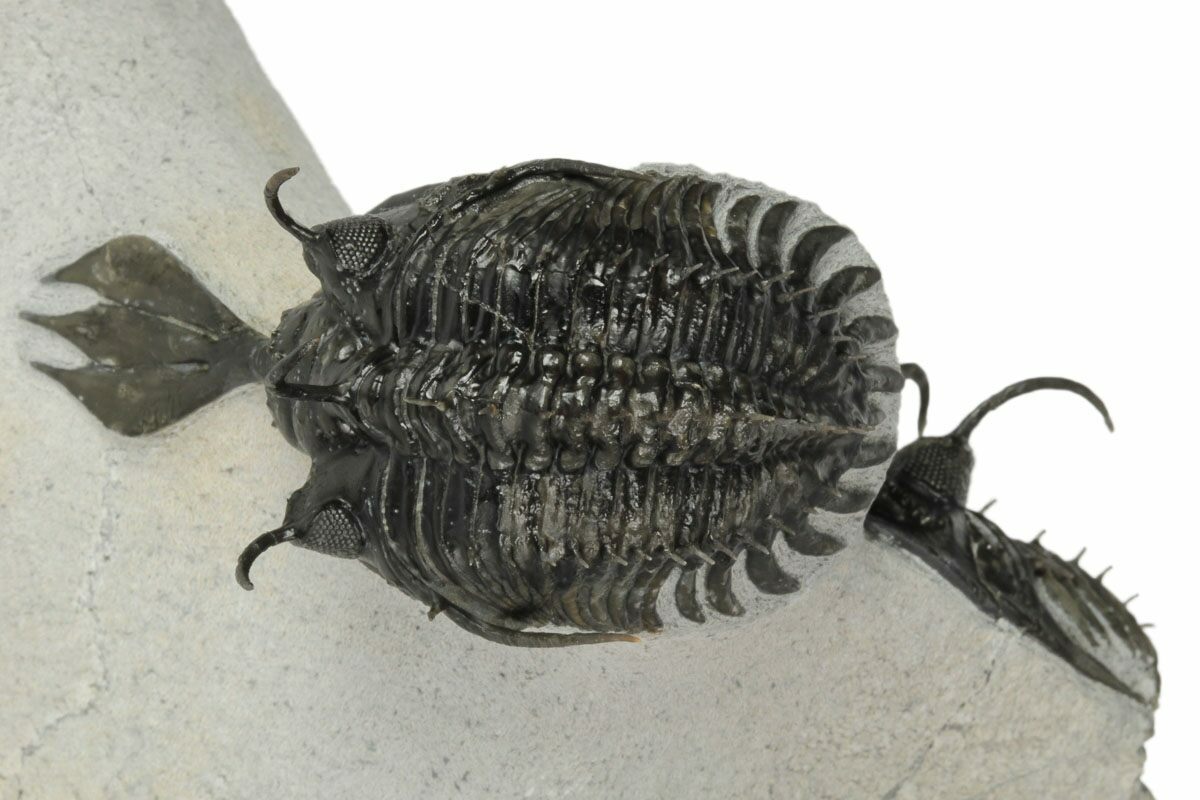
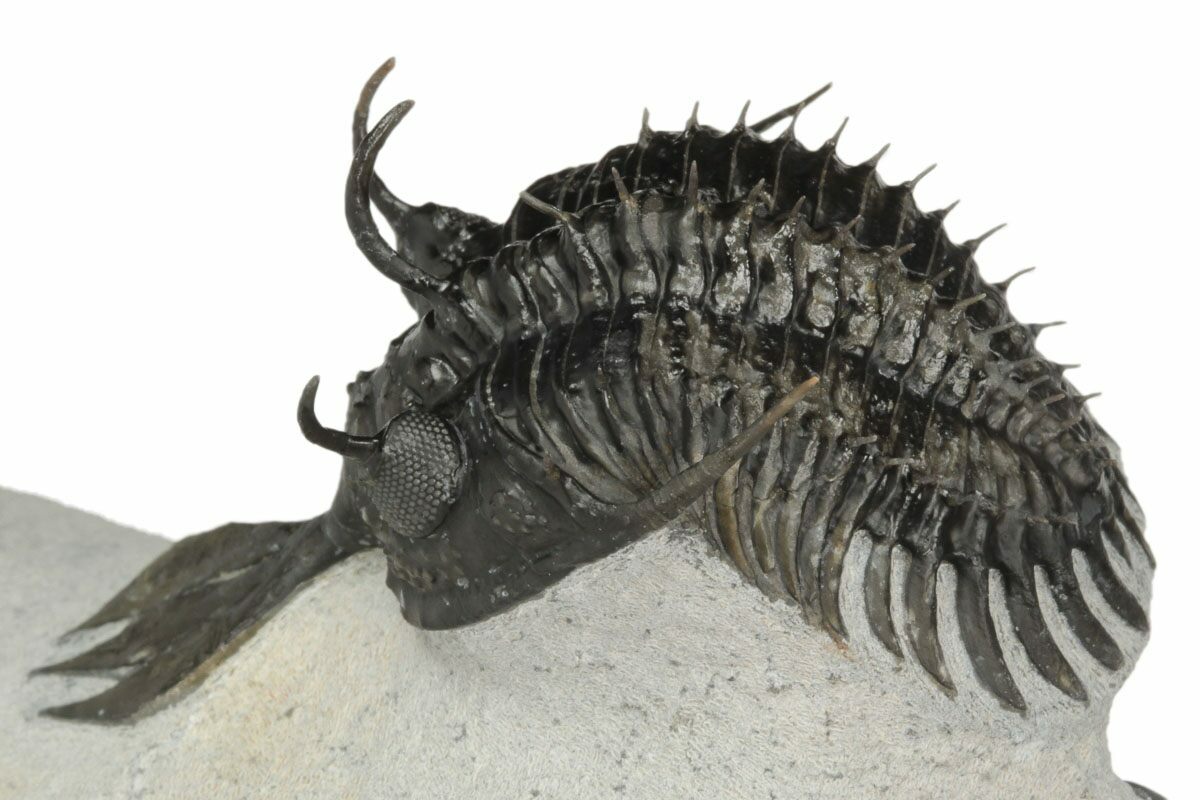
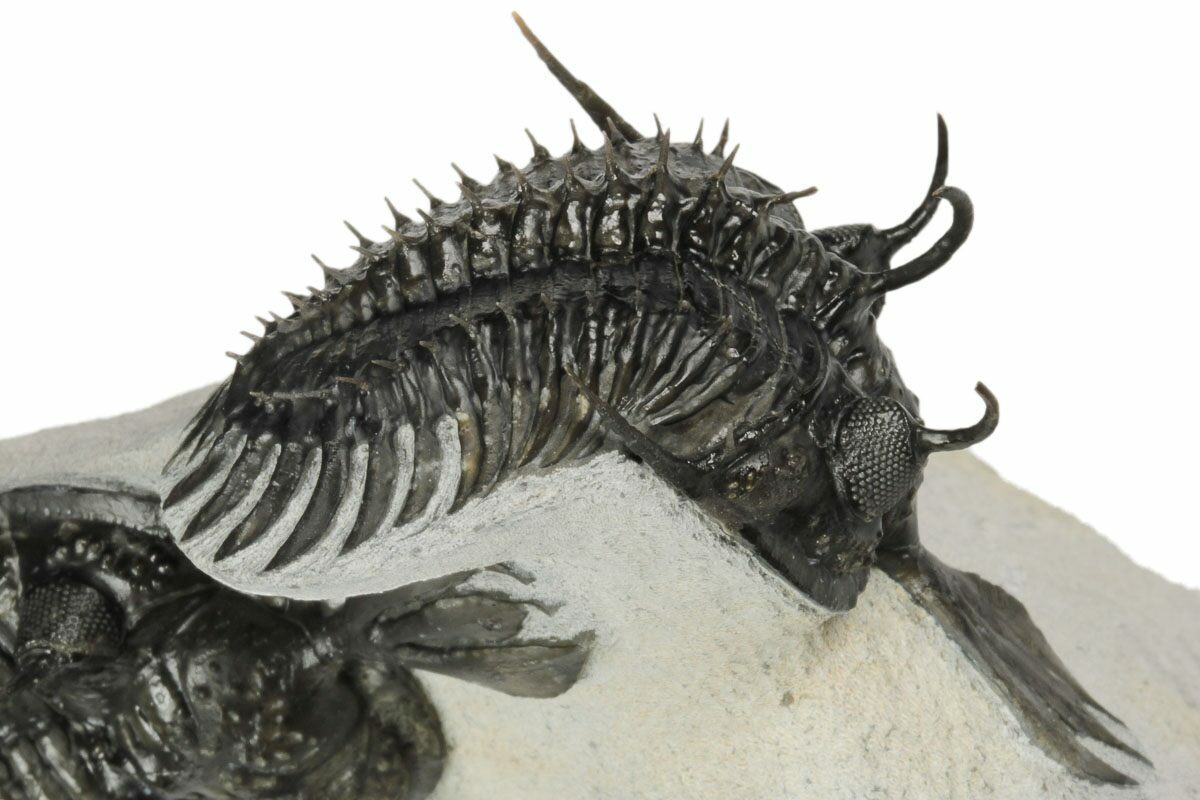
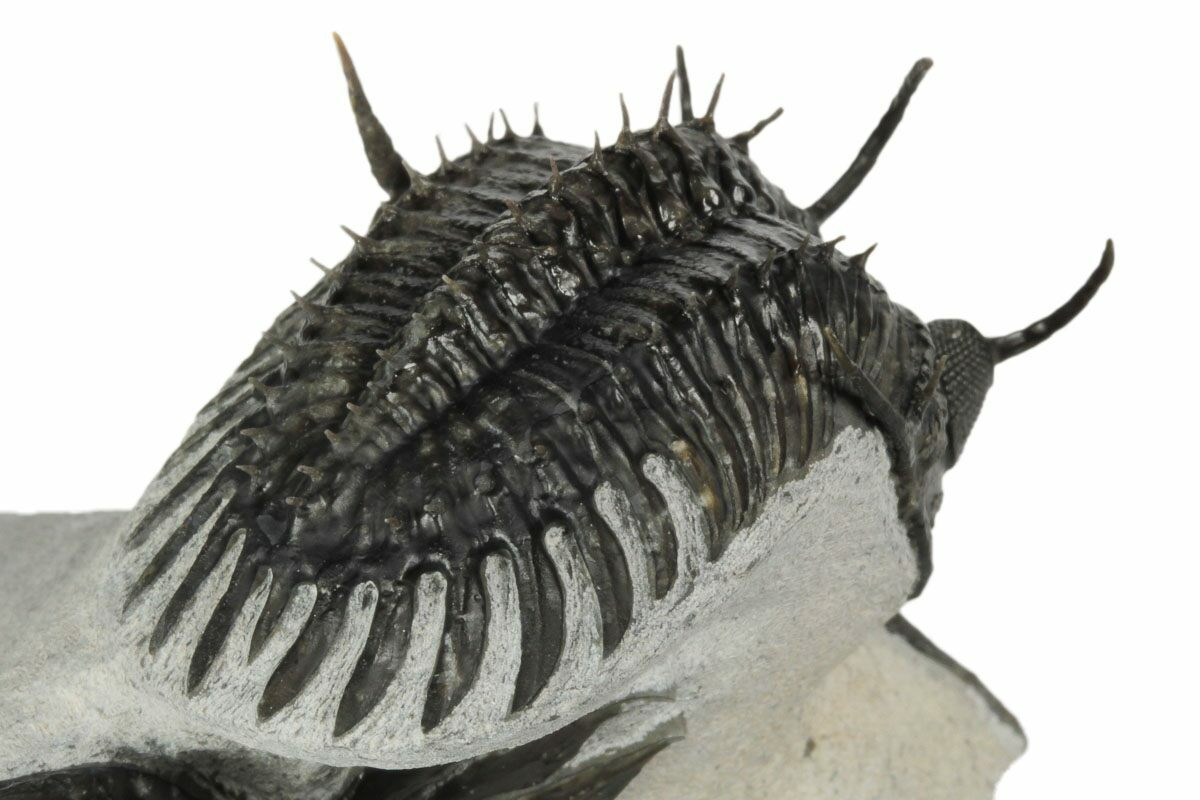
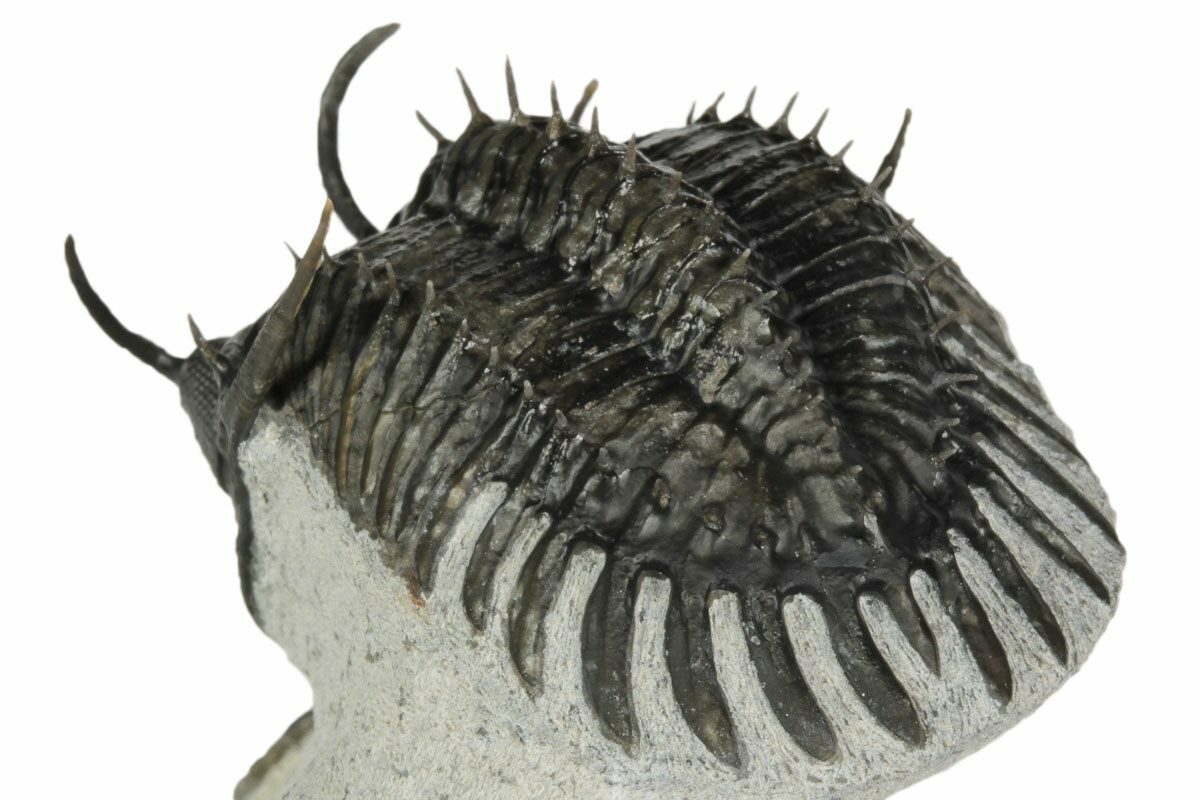
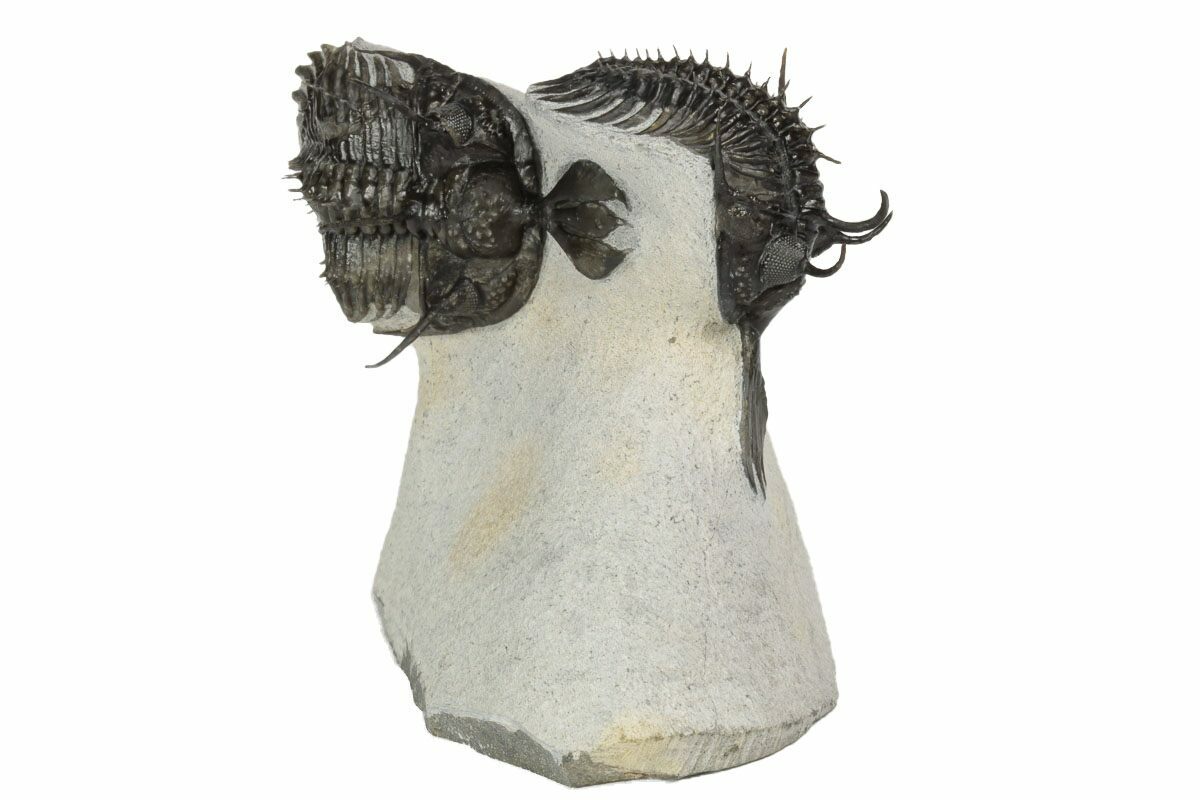
This is an absolutely stunning double Walliserops specimen collected near Timrzit, Morocco. Excellent shell preservation and prep work on this piece with dozens of free-standing spines on each trilobite. You have to break a lot of limestone to find a single one of these trilobites, so finding two in close association would be very rare.
There are at least four described species of Walliserops and several currently undescribed ones. This appears very similar to Walliserops lindoei described from another location, though the trident is slightly different. Whether this one will eventually get it's own species or be grouped in the Walliserops lindoei is yet to be determined. The paper describing Walliserops lindoei can be found below.
LATEST EARLY TO EARLY MIDDLE DEVONIAN TRILOBITES FROM THE ERBENOCHILE BED, JBEL ISSOUMOUR, SOUTHEASTERN MOROCCO
There are at least four described species of Walliserops and several currently undescribed ones. This appears very similar to Walliserops lindoei described from another location, though the trident is slightly different. Whether this one will eventually get it's own species or be grouped in the Walliserops lindoei is yet to be determined. The paper describing Walliserops lindoei can be found below.
LATEST EARLY TO EARLY MIDDLE DEVONIAN TRILOBITES FROM THE ERBENOCHILE BED, JBEL ISSOUMOUR, SOUTHEASTERN MOROCCO
About Walliserops
The trilobite genus Walliserops is one of the most visually striking and iconic trilobites known, famous for its elaborate cranidial (head) ornamentation. These Devonian-aged trilobites lived approximately 390 million years ago and are found exclusively in the marine limestones of the Anti-Atlas Mountains of Morocco, particularly near Foum Zguid,
Walliserops belongs to the order Phacopida and the family Acastidae. It is best known for the distinctive trident-like projection extending from the front of its glabella (the central lobe of the head), a feature unmatched in any other trilobite. The function of this bizarre structure is still debated; some paleontologists suggest it may have played a role in mate recognition, species display, or even combat, akin to a rhinoceros horn. In addition to the trident, Walliserops trilobites often display long, curved genal spines and elaborately spined thoraxes, enhancing their alien-like appearance.
There are several described species within the genus, including Walliserops trifurcatus, W. hammii, and W. tridens, which differ slightly in the length, curvature, and orientation of the trident and other spines. These trilobites are highly sought after by collectors and researchers alike, both for their aesthetic appeal and the evolutionary questions they raise about morphological development and behavior in ancient arthropods.
Due to the complexity of their anatomy and the challenges of preparing specimens from hard limestone matrix, well-preserved Walliserops fossils require meticulous preparation, and many of the finest examples are partially or fully freed from the rock to showcase their dramatic three-dimensional form.
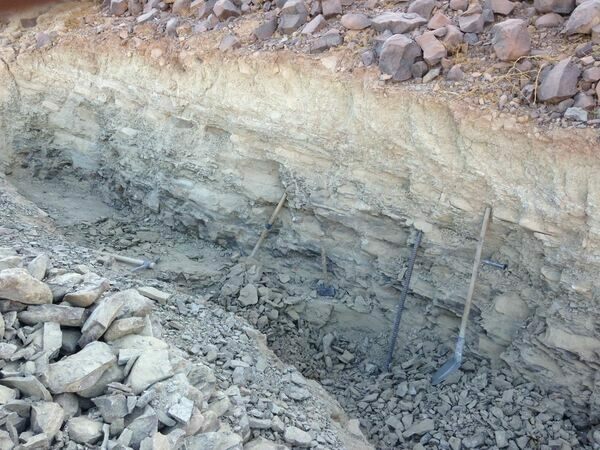
A photo of the quarry at Foum Zguid. The Walliserops come out of the very bottom layer, which requires 1-2 meters of limestone overburden to be removed.
The trilobite genus Walliserops is one of the most visually striking and iconic trilobites known, famous for its elaborate cranidial (head) ornamentation. These Devonian-aged trilobites lived approximately 390 million years ago and are found exclusively in the marine limestones of the Anti-Atlas Mountains of Morocco, particularly near Foum Zguid,
Walliserops belongs to the order Phacopida and the family Acastidae. It is best known for the distinctive trident-like projection extending from the front of its glabella (the central lobe of the head), a feature unmatched in any other trilobite. The function of this bizarre structure is still debated; some paleontologists suggest it may have played a role in mate recognition, species display, or even combat, akin to a rhinoceros horn. In addition to the trident, Walliserops trilobites often display long, curved genal spines and elaborately spined thoraxes, enhancing their alien-like appearance.
There are several described species within the genus, including Walliserops trifurcatus, W. hammii, and W. tridens, which differ slightly in the length, curvature, and orientation of the trident and other spines. These trilobites are highly sought after by collectors and researchers alike, both for their aesthetic appeal and the evolutionary questions they raise about morphological development and behavior in ancient arthropods.
Due to the complexity of their anatomy and the challenges of preparing specimens from hard limestone matrix, well-preserved Walliserops fossils require meticulous preparation, and many of the finest examples are partially or fully freed from the rock to showcase their dramatic three-dimensional form.
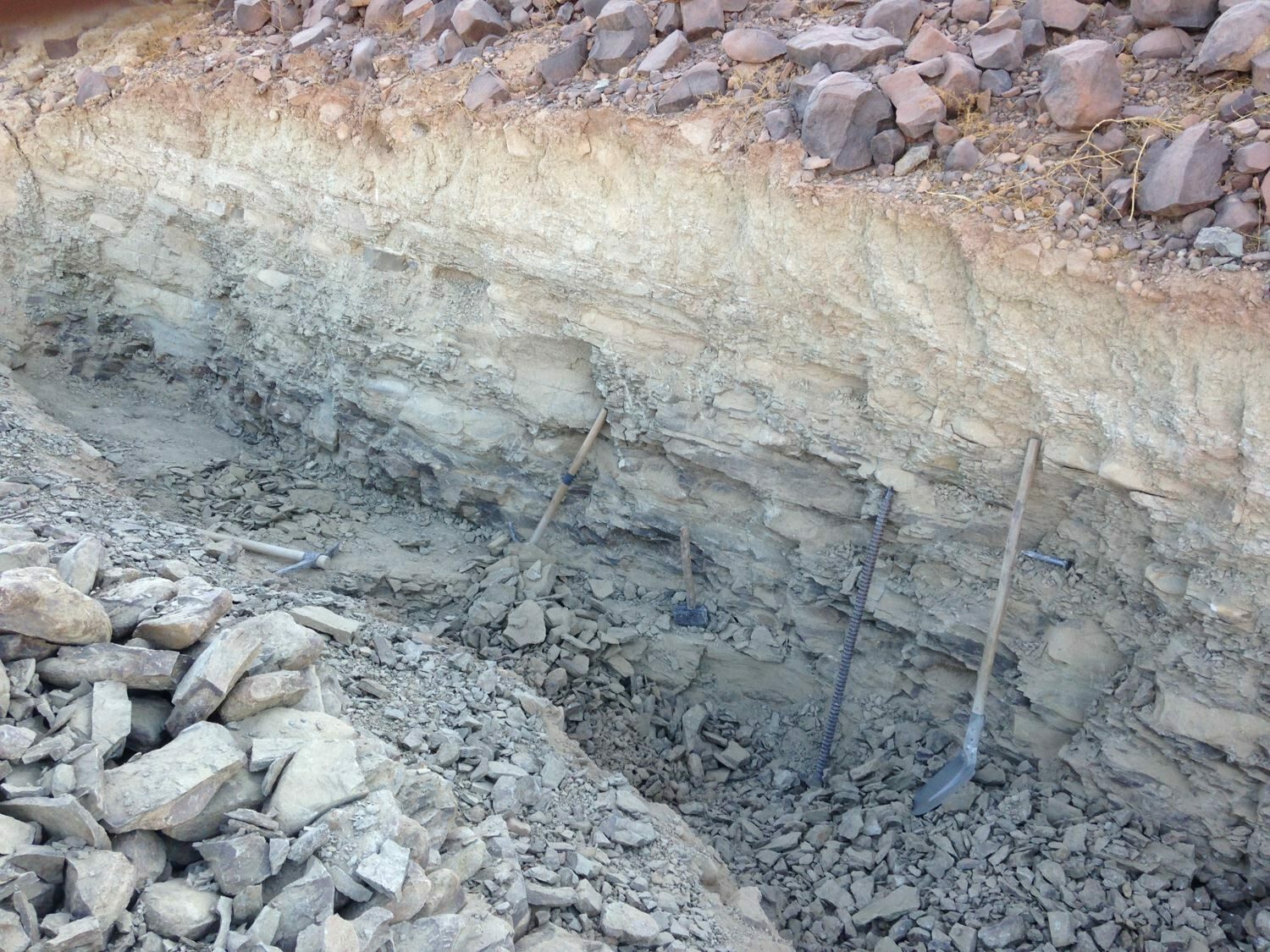
A photo of the quarry at Foum Zguid. The Walliserops come out of the very bottom layer, which requires 1-2 meters of limestone overburden to be removed.
SPECIES
Walliserops aff. lindoei

LOCATION
Timrzit, Morocco
SIZE
Both about 2.6" long
CATEGORY
SUB CATEGORY
ITEM
#189994
We guarantee the authenticity of all of our specimens.


