 Reviews


2.8" Fossil Zlichovaspis Trilobite - Atchana, Morocco


This is a stunning, 2.8" long specimen of the classic dalmanitid trilobite, Zlichovaspis rugosa, collected from the Lower Devonian (Pragian Stage) Lhandar Formation near Atchana, Morocco.
Beautifully prepared and displayed in a natural prone position, this specimen exhibits rich, chocolate-brown shell preservation, excellent inflation, and remarkably well-preserved eye facets in both eyes. The meticulous preparation highlights the trilobite's intricate anatomical details, making this an especially attractive example of the species.
The specimen is exceptionally well preserved, with just 1–2% shell restoration confined to several small areas along the thorax. A superb example of this highly collectible Devonian trilobite.
Includes an acrylic display stand for presentation.
About Trilobites
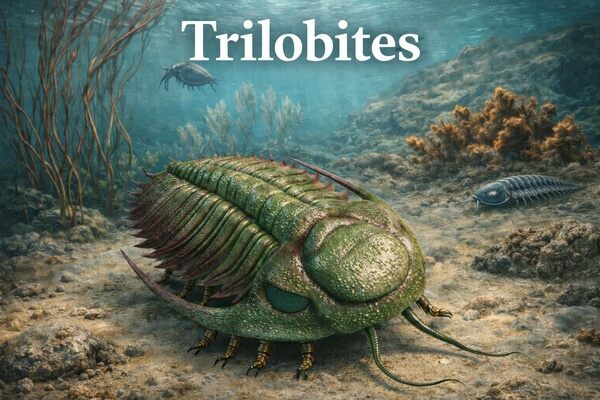
Trilobites were a very diverse group of extinct marine arthropods. They first appeared in the fossil record in the Early Cambrian (521 million years ago) and went extinct during the Permian mass extinction (250 million years ago). They were one of the most successful of the early animals on our planet: over 25,000 species have been described, filling nearly every evolutionary niche. Due in large part to their hard exoskeletons (shells), they left an excellent fossil record.
Trilobites were a very diverse group of extinct marine arthropods. They first appeared in the fossil record in the Early Cambrian (521 million years ago) and went extinct during the Permian mass extinction (250 million years ago). They were one of the most successful of the early animals on our planet: over 25,000 species have been described, filling nearly every evolutionary niche. Due in large part to their hard exoskeletons (shells), they left an excellent fossil record.
$325
SPECIES
Zlichovaspis rugosa

LOCATION
Atchana, Morocco
FORMATION
Lhandar Formation
SIZE
2.8" long
CATEGORY
SUB CATEGORY
ITEM
#382824
We guarantee the authenticity of all of our specimens.


